
Lieferung heute & morgen

Qualitätsgarantie

Willkommens-Angebote freischalten: KOSTENLOSE Lieferung | Bis zu 80 % RABATT | Kostenlose 30-Tage-JoyPlus-Testphase
App herunterladen
If you want to prepare authentic Asian dishes at home, choosing the right rice noodles is crucial. However, anyone looking to buy rice noodles online is often faced with a bewildering selection. Different widths, shapes, and unclear product descriptions can lead you to choose the wrong type for your planned dish. The result is often disappointing: the noodles turn out too soft, too firm, or simply don't match the flavour profile.
This guide will help you avoid the most common pitfalls. We focus on the objective criteria that truly matter, ensuring your next batch of Asian noodles is a perfect match for your culinary plans—whether it's a Vietnamese Pho, a Thai Pad Thai, or another dish.
Before we dive into the selection criteria, let's address two common problems that often lead to a bad purchase:
To avoid these mistakes, you should pay attention to two central features before buying. These are the primary factors that determine whether the noodles are suitable for your recipe.
The width of the rice noodles, often specified in millimetres (mm), isn't a marketing gimmick but a functional characteristic. Each width is suited for different preparation methods.
A quick look at the ingredients list reveals a lot about the quality. High-quality Asian noodles require only a few ingredients.
Instead of making a one-size-fits-all recommendation, we have compiled products for different user profiles and cooking needs.
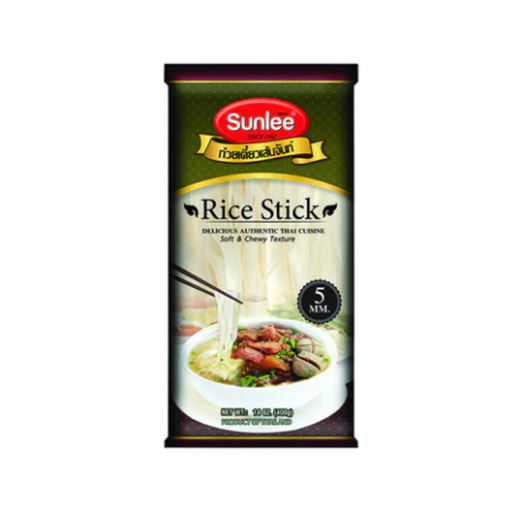
Why This Fits Their Persona: Ideal for anyone who wants to prepare an authentic Pad Thai or other stir-fry dishes at home. The 5 mm width is the standard for this type of recipe, ensuring the right balance between a firm bite and sauce absorption.
You avoid the problem of choosing the wrong noodle width. These rice sticks are specifically designed for stir-fry dishes and won't turn mushy.
Made from high-quality rice flour, which ensures an authentic texture. The curved shape helps to hold the sauce better.
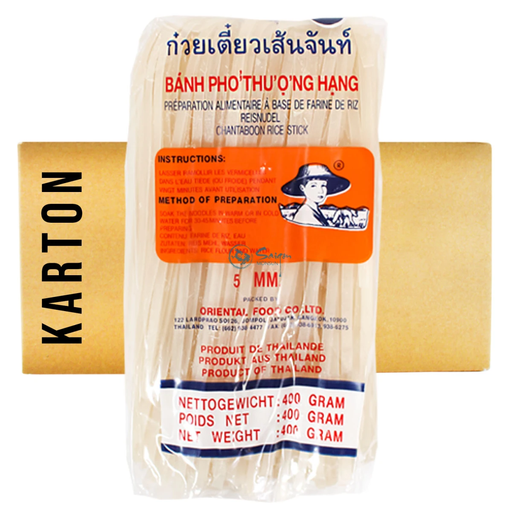
Why This Fits Their Persona: For restaurants or families who cook Asian food regularly, this bulk pack offers excellent value for money and ensures a constant supply of the most versatile noodle width.
You secure consistent quality and avoid having to constantly try out new brands. The pure ingredient list with no additives guarantees a consistent result.
Made from 100% rice flour for an authentic taste. The bulk pack is economical and practical for frequent use.
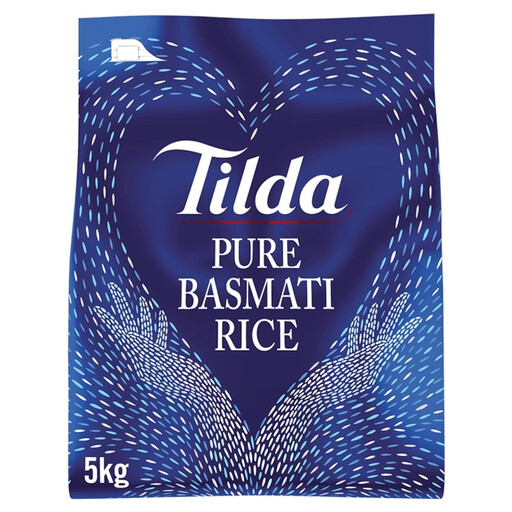
Why This Fits Their Persona: For dishes where the focus is on the rice itself, not noodles, such as curries or biryanis. This user is looking for a high-quality, aromatic rice that serves as the perfect side dish.
Instead of a generic long-grain rice, you get a high-quality Basmati rice whose aroma and fluffy texture have been specifically selected for sophisticated dishes.
Aromatic fragrance and flavour, sourced from the foothills of the Himalayas. The grains remain separate and fluffy after cooking.
We have compiled a complete, up-to-date list of products that meet these strict selection criteria and quality standards.
The preparation depends on the thickness of the noodles. A common method is to soak the noodles in hot (not boiling) water until they are pliable and soft. The exact time varies by brand and thickness, ranging from 5 to 30 minutes. For some dishes, they are also briefly boiled. Always follow the instructions on the package for the specific product. After soaking or boiling, the noodles should be rinsed with cold water to stop the cooking process and prevent them from sticking.
In theory, yes, as they are made from rice flour. Most products on the market are suitable as gluten-free noodles. However, individuals with a severe gluten intolerance or celiac disease should look for an explicit "gluten-free" certification on the packaging. This ensures that no cross-contamination with gluten-containing grains has occurred during production.
For an authentic Vietnamese Pho, flat but relatively thin rice noodles (approx. 3-5 mm wide), often labelled "Bánh Ph?," are best. They cook quickly in the hot broth. For Pad Thai, medium, flat rice noodles (approx. 5 mm wide) are the classic choice. They are robust enough for stir-frying in a wok and absorb the characteristic sauce well.