
Lieferung heute & morgen

Qualitätsgarantie

Willkommens-Angebote freischalten: KOSTENLOSE Lieferung | Bis zu 80 % RABATT | Kostenlose 30-Tage-JoyPlus-Testphase
App herunterladen
Standing in front of the Asian condiment aisle, searching for the perfect Black Bean Sauce for your next meal? The variety can be overwhelming, and not every paste delivers the authentic flavour experience you want for your stir-fries or Korean noodle dishes. Many home cooks grab the wrong product and end up disappointed with the results.
This guide will help you avoid the most common pitfalls and make an informed decision. We'll focus on the objective characteristics that define a high-quality bean paste, so you can find the exact product that suits your cooking style.
Common Mistakes When Buying Bean Sauces:
To avoid disappointment, you should check three key parameters before buying. These will help you objectively assess the quality and intended use of a soybean paste.
The foundation of its deep, complex flavour is the fermentation process. It comes in two main forms:
The origin significantly determines the taste and application:
A look at the label reveals a lot. Make sure that soybeans (or fermented black beans) are high on the ingredient list. This indicates a high bean content. Products based primarily on water, sugar, and starch often provide a less authentic flavour experience. If you're looking for a spicy version, chilli should also be listed as an ingredient.
Based on the criteria above, we have selected a few products from our range that are suitable for different user profiles.
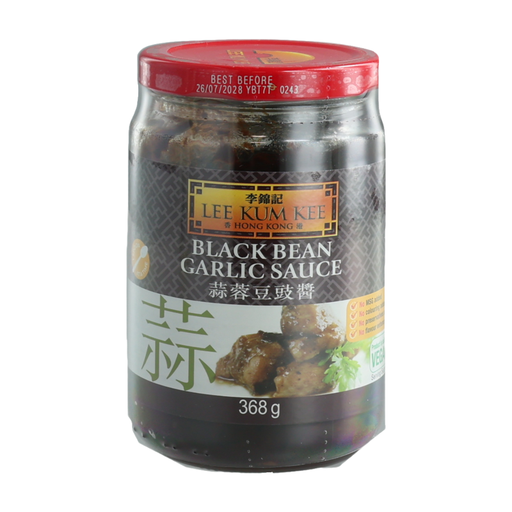
Why This Fits Their Persona: Ideal for those who want to recreate the authentic, savoury taste of classic Cantonese dishes at home. The sauce is ready to use, saving you the step of preparing garlic and beans separately.
This sauce is based on real fermented black beans (douchi), giving it an authentic depth of flavour and avoiding the pitfall of buying a bland, one-dimensional paste.
Robust, savoury flavour from beans and garlic. Versatile for stir-frying, steaming, and as a marinade.
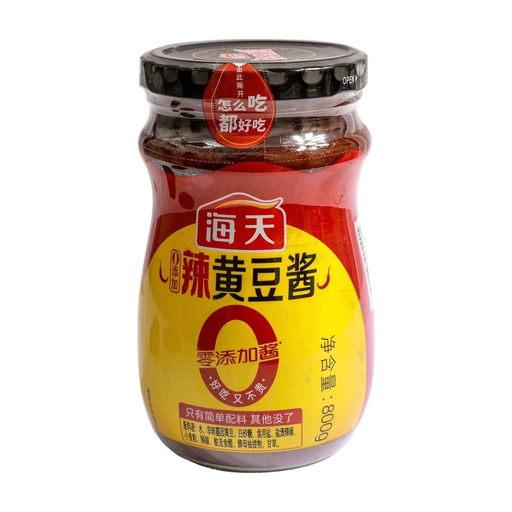
Why This Fits Their Persona: Perfect for frequent cooks who want to add a bold, spicy kick to their dishes. The large 800g container offers great value for regular use.
The clear "Spicy" label prevents accidental purchases. Its base of non-GMO soybeans appeals to users who care about ingredient sourcing and are looking for balanced heat rather than just saltiness.
Combines the umami of soybean paste with a spicy kick. Versatile for steaming, frying, braising, or as a dip.
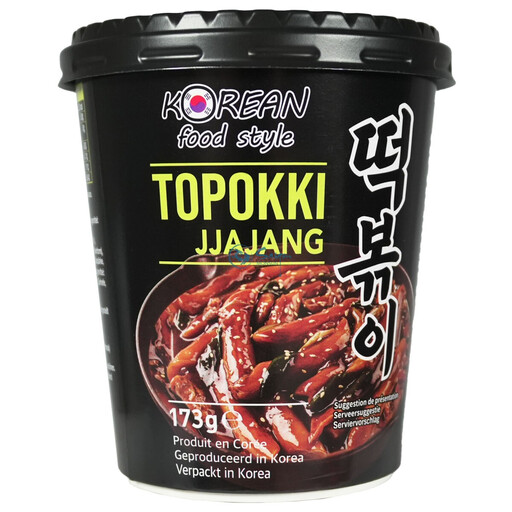
Why This Fits Their Persona: For those curious to try the flavour of Korean Jjajang sauce in a simple, no-fuss way. This instant Topokki meal is ready in minutes, making it perfect for a quick meal.
This product clears up the confusion between Chinese and Korean sauces by providing a clear use case for the sweet and savoury Jjajang flavour.
Delivers the authentic taste of a Korean cooking paste in a convenient, quick-to-prepare meal. Perfect for a first taste.
We've compiled a complete, up-to-date list of products that fully meet these strict selection criteria and comply with food regulations.
The Chinese version (often called "Black Bean Garlic Sauce") is based on salty, fermented whole or chopped black beans (douchi). It's savoury and often used for stir-fries and steaming. The Korean version (Jjajang) is a thick, smooth paste made from roasted soybeans, which is sweeter and milder in taste and forms the base for the noodle dish Jjajangmyeon.
Once opened, the sauce should be stored tightly sealed in the refrigerator. Most manufacturers recommend consuming the product promptly after opening. For the exact shelf life in the fridge, please refer to the information on the packaging. However, due to fermentation and high salt content, these pastes generally have a long shelf life.
It depends on the sauce and the dish. Chinese black bean sauces often release their full aroma when briefly fried in hot oil before the other ingredients are added. Korean Jjajang paste is also typically heated and cooked with other ingredients to create a sauce. However, some sauces can also be used as a dip or directly as a seasoning. It's always a good idea to check the manufacturer's instructions for use.