
Lieferung heute & morgen

Qualitätsgarantie

Willkommens-Angebote freischalten: KOSTENLOSE Lieferung | Bis zu 80 % RABATT | Kostenlose 30-Tage-JoyPlus-Testphase
App herunterladen
Herbal tea is a staple of the daily tea break in many households. Whether you prefer herbal tea in tea bags, organic herbal tea, peppermint tea or a versatile herbal tea blend, the choice is vast – but the differences aren’t always obvious on the front of the packaging. If you decide based solely on marketing claims like “natural”, “traditional” or “gentle”, you can easily overlook important details.
A product can contain plant-based ingredients without being from certified organic farming. For organic herbal tea, you should look for the specific organic certification and the ingredients list. Terms like “with herbs” or “according to a traditional recipe” are no substitute for an organic seal.
Sustainability claims also need to be assessed carefully. For some products, they may only refer to certain ingredients or a specific proportion. According to the product information, Meßmer Salbei-Eukalyptus herbal tea states that 85% of the herbs and spices come from Fair Trade-certified sources. For Teekanne Peppermint Tea, 50% is Rainforest Alliance-certified. Such claims should always be considered in relation to the entire recipe.
“Peppermint tea” can consist of 100% peppermint or be blended with ginger, lemon peel and other herbs. When shopping, it’s worth checking the percentage composition:
Brewed herbal tea and fruit tea are mostly caffeine-free tea with negligible calories. However, ready-to-drink beverages labelled “Herbal Tea” can contain sugar or sweeteners. Wang Lao Ji Herbal Tea in a can, for example, lists 8.0 g of carbohydrates, i.e. sugar, per 100 ml. At 310 ml, this gives a very different nutritional profile compared to an unsweetened tea bag.
The ingredients list is the most important thing to compare. Look out for:
The number of tea bags alone isn’t enough for a fair price comparison. What matters is the total weight and the weight per bag. Examples from the selection:
For daily consumption, a larger pack can be more economical. If you want to try different flavours, smaller packs might be a lower-risk option.
Herbal tea should always be brewed with freshly boiled water. This is explicitly stated as a necessary preparation step for several products. The steeping time varies by variety, often between 5 and 8 minutes, and for fruit tea often 8 to 10 minutes.
Store the pack in a dry place, away from light and strong odours. Individually wrapped tea bags can better protect the aroma in your cupboard. Ready-to-drink beverages, on the other hand, are ready to consume immediately, but they create more packaging waste and can contain sugar.
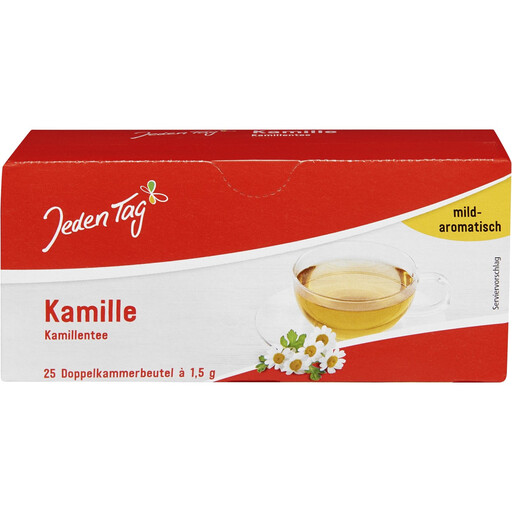
Why this product suits the profile: The pack contains 25 portioned bags, each with 1.5 g of camomile flowers, making it ideal for a straightforward daily brew.
The ingredients list states only camomile flowers. This makes the recipe easier to assess than a multi-ingredient herbal tea blend.
25 bags, no listed allergens, and preparation with approximately 200 ml of boiling water for 5–8 minutes.
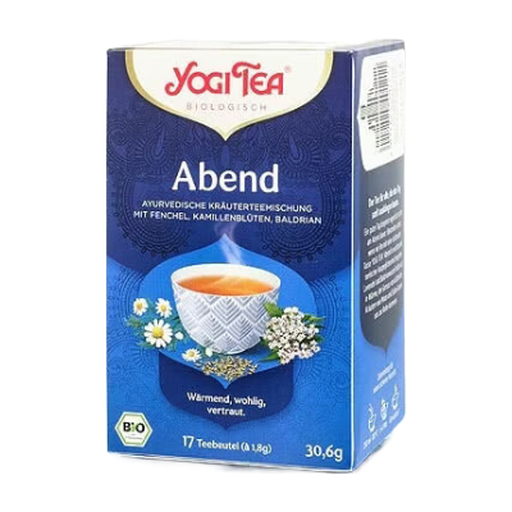
Why this product suits the profile: According to the product information, the blend consists of certified organic ingredients such as cinnamon, cardamom, ginger, peppermint, fennel and lavender.
The organic origin isn’t just advertised in general terms; it’s linked to the ingredient description with a reference to certified organic farming.
Caffeine-free herbal blend with 17 bags; store in a dry place, protected from light.
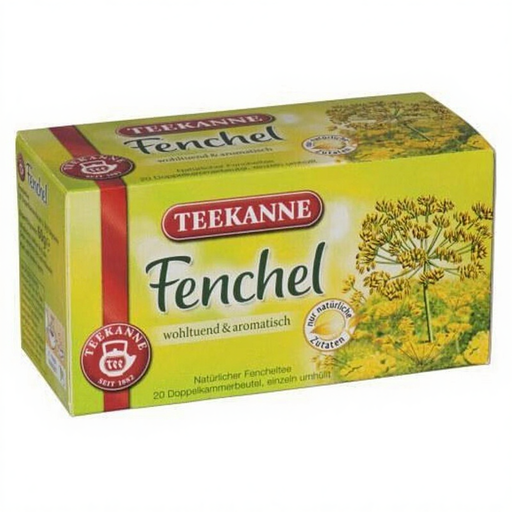
Why this product suits the profile: The pack contains 20 bags, each with 3 g of pure fennel, making it focused on a clearly defined flavour for everyday use.
The ingredients list states fennel as the only ingredient. This removes any uncertainty about which flavours dominate a complex blend.
60 g total weight, caffeine-free recipe and a recommended steeping time of at least 5–8 minutes.
We’ve put together a complete, regularly updated list of products that fully meet these strict selection criteria and the safety regulations in force in the EU.
Pure herbal tea such as peppermint tea, camomile tea, sage tea or fennel tea naturally contains no caffeine. Fruit tea, for example from rosehip and hibiscus, is also caffeine-free. However, with blends, always check the full ingredients list, especially if black tea, green tea or mate could be included.
The best-before date is on the packaging. Unopened products should be stored in a dry place, away from light and heat. Once brewed, it’s best to drink the tea promptly. For Jeden Tag Camomile Tea, for example, it’s recommended to consume the prepared infusion within 24 hours.
For a fair comparison, divide the pack price by the number of bags and also consider the bag weight. A product with 20 bags can contain more tea than one with 25 bags. With ready-to-drink beverages, you should also factor in sugar, portion size and packaging volume. This way, you can buy tea online without relying solely on pack design or marketing claims.