
Lieferung heute & morgen

Qualitätsgarantie

Willkommens-Angebote freischalten: KOSTENLOSE Lieferung | Bis zu 80 % RABATT | Kostenlose 30-Tage-JoyPlus-Testphase
App herunterladen
The selection of herbal tea on the shelf can be overwhelming. Packaging promises well-being and relaxation, but not every tea lives up to its marketing claims. Many consumers reach for products that win them over with clever presentation but disappoint on closer inspection. Before you brew your next cup, it's helpful to know the most common pitfalls.
A widespread issue is "natural flavours." This term can cover a multitude of substances that often have little to do with the namesake plant. A tea that tastes like strawberry doesn't necessarily have to contain any significant amount of real strawberries. Another point is hidden sugars or fillers like dextrose, which are especially common in granular instant teas and undermine any health claims. Finally, vague descriptions like "Harmony Tea" are often misleading when the ingredients list contains no specific herbs traditionally associated with that effect.
You don't need to be an expert on every variety to find a high-quality herbal tea that's right for you. Focusing on a few objective criteria helps you make an informed decision and distinguish marketing promises from actual product quality.
The most telling piece of information on any tea package is the ingredients list. A high-quality chamomile tea should ideally contain only "chamomile flowers." For a tea blend, the order of the ingredients reveals their proportions. If sugar or a flavouring is listed first, it's a sign of a less pure product.
Look for clear labelling. "Peppermint leaves" is more precise than "peppermint flavour." Those who value cultivation without synthetic pesticides and fertilisers should look for an organic herbal tea, certified by the appropriate seals.
Most herbal teas are naturally a caffeine-free tea, making them an excellent evening tea for relaxing before bed. However, there are exceptions. Tea blends containing ingredients like mate are caffeinated and have a stimulating effect. A quick glance at the ingredients list provides clarity and prevents an unwanted stimulating effect late in the evening.
Seals like the EU organic logo or the Rainforest Alliance certification offer guidance.
Brands like Yogi Tea or Me?mer often feature products with these certifications in their range.
The choice of the right tea depends heavily on personal preferences and the intended use. Here are a few recommendations tailored to different profiles.
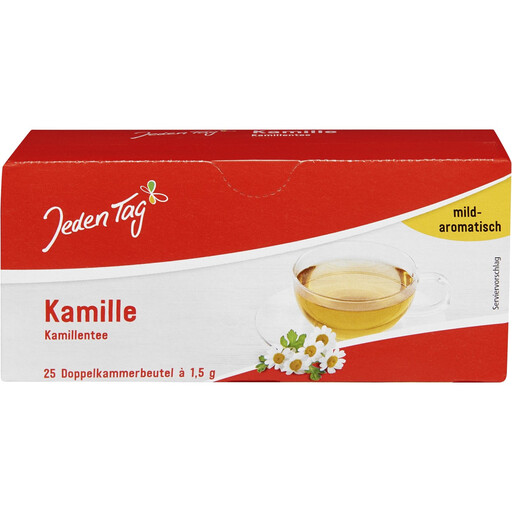
Why this product is a good fit: Ideal for daily use when you want a simple, pure, and mild herbal tea without any fuss. A classic chamomile tea at an accessible price point.
The ingredients list is stripped down to the essentials: chamomile flowers. There are no added flavourings or hidden sugars to distort the pure taste.
Pure chamomile flavour; according to the manufacturer, 30% of the tea comes from UTZ/UEBT certified farmers.
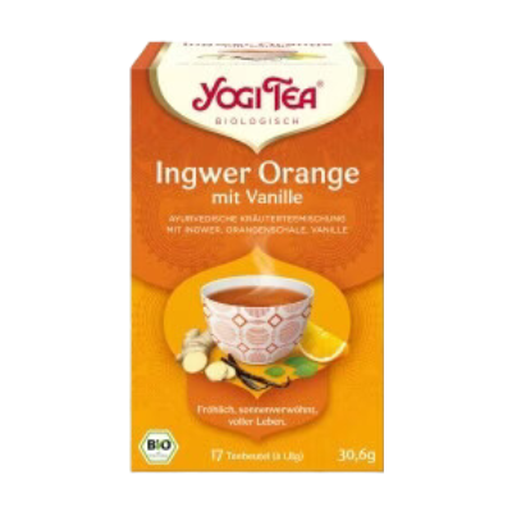
Why this product is a good fit: For tea lovers who appreciate complex, spicy flavour profiles and high organic quality. The combination of zesty ginger, fruity orange, and sweet vanilla offers a multi-layered experience.
This tea uses real ingredients like ginger tea pieces (44%) and orange peel (4%) instead of just flavourings to create its taste. The organic certification ensures it is free from synthetic additives.
A creative tea blend from certified organic farming. Contains liquorice – excessive consumption should be avoided if you have high blood pressure.
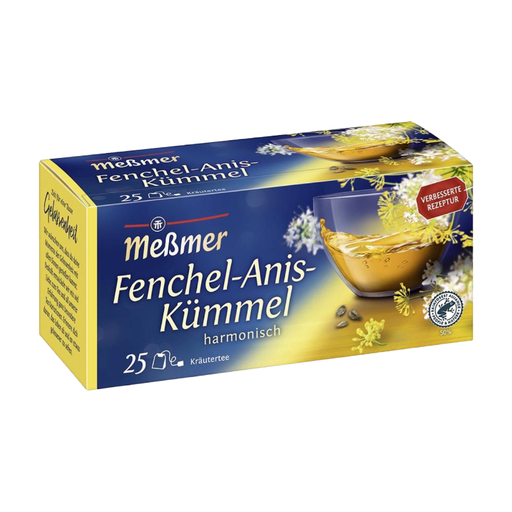
Why this product is a good fit: A time-tested herbal blend for those seeking a tea with specific, traditionally valued ingredients like fennel tea, anise, and caraway. This combination is often enjoyed after a meal.
The ingredients list is clear and simple: fennel, caraway, anise. There are no unnecessary fillers or flavourings to distract from the classic herbal composition.
A classic, harmonious herbal combination. According to the manufacturer, 50% of the ingredients are Rainforest Alliance certified.
We've compiled a complete, up-to-date list of products that fully meet these strict selection criteria and UK regulations.
How long should you steep herbal tea? The recommended steeping time varies depending on the herb. As a general rule, a steeping time of 5 to 10 minutes is ideal. It is important to always pour freshly boiled water over the tea. This is the only way to ensure it is a safe food product. Always follow the preparation instructions on the packaging.
What's the difference between organic and conventional herbal tea?Organic herbal tea is grown according to the principles of organic farming. This means that no synthetic chemical pesticides and fertilisers are used in its cultivation. Compliance with these standards is regularly checked by independent control bodies and confirmed by the organic seal.
Are all herbal teas caffeine-free? The vast majority of herbal teas, such as chamomile tea, peppermint tea, or fennel tea, are naturally caffeine-free. However, there are exceptions. Tea blends containing mate, guarana, or kola nut have a stimulating effect. A quick look at the ingredients list is therefore always advisable, especially if you are looking for a tea for the evening.