
Lieferung heute & morgen

Qualitätsgarantie

Willkommens-Angebote freischalten: KOSTENLOSE Lieferung | Bis zu 80 % RABATT | Kostenlose 30-Tage-JoyPlus-Testphase
App herunterladen
Tea bags are a convenient choice for home, the office and on the go. One bag per cup, add hot water, watch the steeping time – that's usually all the preparation needed. However, products differ significantly in terms of tea type, bag weight, packaging and brewing method. If you only focus on pack size or flashy flavour promises, you could end up paying for a selection that doesn't suit your daily drinking habits.
This buying guide explains what matters when it comes to black tea bags, green tea bags, fruit tea bags and herbal tea bags. Our product selection is based on verifiable details such as ingredients, number of bags, fill quantity and recommended steeping time.
A large number of tea bags doesn't automatically mean a good deal. What really counts is comparing total weight, grams per bag and price per 100 grams. A pack of 25 bags can contain more tea than a pack of 40 lighter bags if the fill weight per bag is higher.
Terms like "aromatic", "strong" or "fruity" don't always describe the actual recipe. For example, an Earl Grey contains black tea and bergamot flavouring, whereas a fruit tea may consist of ingredients such as rosehip, hibiscus or apple peel. The ingredients list gives you a more reliable guide.
Steeping for too short a time can result in a weak brew with fruit or herbal teas. With black tea, a longer steep can make the flavour noticeably stronger. The instructions on the packaging should therefore take priority over your usual habits. For herbal infusions, boiling water is usually recommended.
For a single cup, around 1.5 to 2 grams is typical. Larger bags of about 3 to 3.5 grams can be more practical for a stronger fruit tea or for making a pot. For offices and family households, it's also worth comparing the number of bags: 50 bags are usually more practical for regular consumption than a small trial pack.
Individually wrapped tea bags can reduce exposure to moisture, light and foreign odours. Once opened, the pack should be sealed tightly and stored in a dry place. Flavoured varieties like Earl Grey are particularly prone to picking up smells from spices or coffee nearby. Always refer to the product packaging for best-before dates and storage advice.
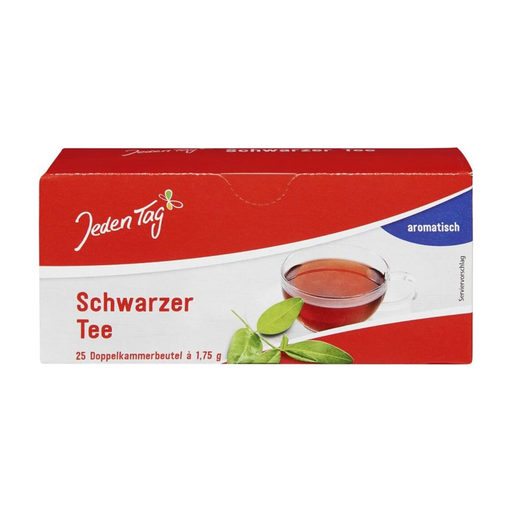
Why this product suits the profile: The pack contains 25 bags, each with 1.75 g of black tea, making it a straightforward introduction to daily tea drinking.
The stated number of bags and total weight makes it easy to compare with other packs, avoiding a judgement based only on the bag count.
Classic black tea base, 25 pre-portioned bags and a recommended steeping time of 3–5 minutes.
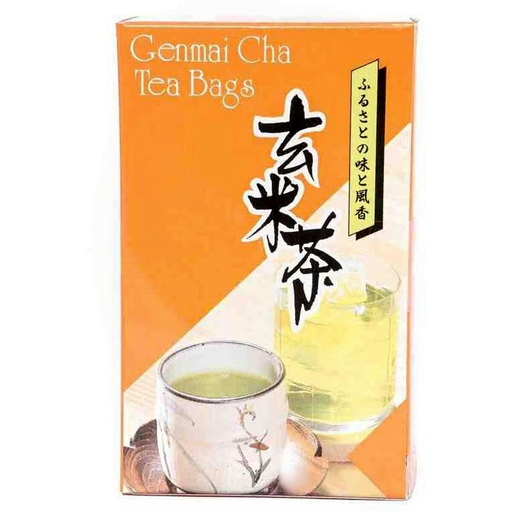
Why this product suits the profile: The blend combines green tea with toasted brown rice, appealing to buyers looking for a clearly described Japanese tea speciality.
The ingredients list specifically names green tea and toasted rice, making the flavour profile more transparent than a simple aroma description.
20 individually wrapped bags, 40 g total weight and origin stated as Japan.
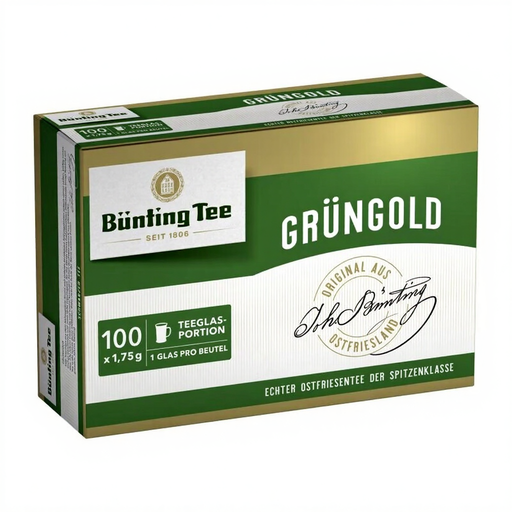
Why this product suits the profile: 100 bags, each with 1.75 g of black tea, are ideal for households, offices and anyone with a regular tea habit.
The large quantity reduces the likelihood of needing to restock in a hurry. Ingredients, bag weight and recommended steeping time are all provided.
100 pre-portioned bags, an Assam-based black tea blend according to the product description, and traditional preparation with Kluntje and cream.
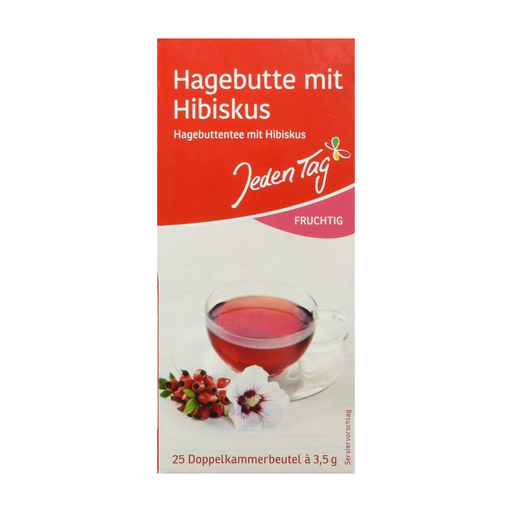
Why this product suits the profile: The blend of 55% rosehip and 45% hibiscus contains no caffeine source such as black or green tea, according to the product information.
The two main ingredients are clearly stated. At 3.5 g per bag, the fill weight is also directly comparable with lighter fruit tea bags.
25 bags, 87.5 g total weight and a recommended steeping time of 8–10 minutes.
We've put together a full, regularly updated list of products that fully meet these strict selection criteria and the safety regulations in force in the EU.
For a consistent cup, use the amount of water per mug recommended by the manufacturer. Black tea is usually steeped for two to five minutes. Green tea may require shorter times, while fruit tea and many herbal teas need longer steeping. Always follow the specific instructions on the label.
For families or offices, products with 50 or 100 bags are practical. If you'd like to try several varieties, start with smaller packs and then buy tea online more selectively. Once opened, store packs in a dry, dark place away from strongly scented foods.
The best-before date is printed on each pack. Dry tea bags won't spoil overnight, but they can lose their flavour over time. Moisture, light and heat accelerate the loss of quality.
This depends on the bag size and the pot's capacity. Some products recommend three to four bags for a pot, while larger bags may be enough for several cups. Always follow the manufacturer's brewing instructions.
Fruit tea and pure herbal teas such as chamomile, peppermint or fennel tea usually contain no caffeine. However, blends may include black tea, green tea or mate. Always check the ingredients list.