
Lieferung heute & morgen

Qualitätsgarantie

Willkommens-Angebote freischalten: KOSTENLOSE Lieferung | Bis zu 80 % RABATT | Kostenlose 30-Tage-JoyPlus-Testphase
App herunterladen
When you want to order authentic Korean kimchi online, you're often faced with an overwhelming selection. The packaging promises traditional flavour, but not every product lives up to its promise. As your Joybuy Product Recommendation Officer, I'm here to help you identify the key features and avoid disappointing purchases. This guide will show you what to look for to find the perfect kimchi for your taste and needs.
Many consumers are drawn to attractive labels, but overlook crucial details. These three points often lead to disappointment:
To find the right product, you should focus on objective characteristics rather than trusting marketing promises.
The foundation of classic kimchi is Napa Cabbage. Ideally, the seasoning should consist of Gochugaru (Korean chilli powder), garlic, ginger, and spring onions.
The packaging affects not only shelf life but also handling.
Consider how you plan to use your kimchi.
Here are some products from our range, tailored to specific needs.
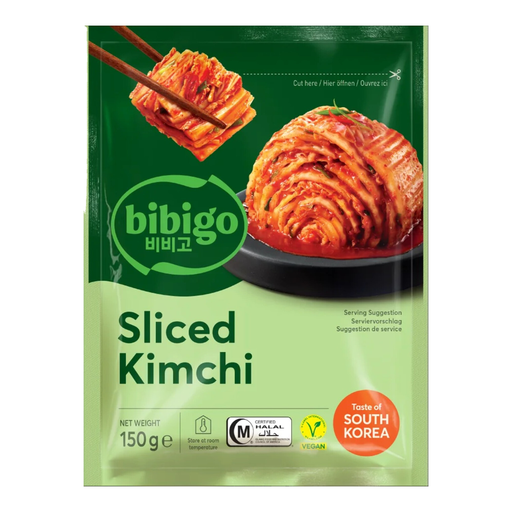
Why This Fits Their Persona: Ideal for anyone who wants to try kimchi without the fuss. The 150g pack is perfect for single servings or as a topping. Since it's shelf-stable, it's great for stocking your pantry without taking up fridge space.
The label clearly states it is 100% vegan and Halal-certified, providing immediate clarity and preventing the accidental purchase of a product with hidden animal ingredients.
Long shelf life at room temperature; already cut into bite-sized pieces and ready to serve.
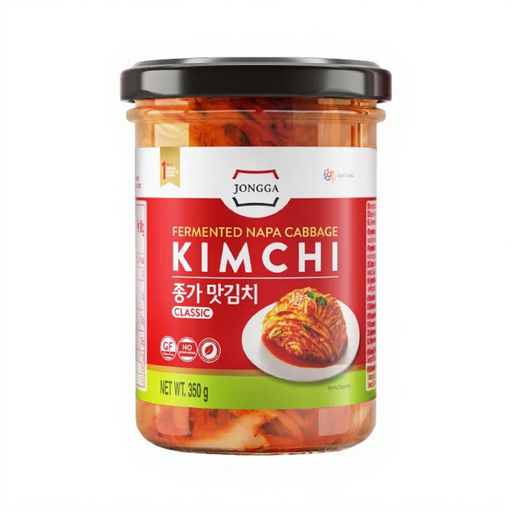
Why This Fits Their Persona: For connoisseurs seeking the deep, complex flavour of traditionally made kimchi. The Jongga brand is a benchmark for quality in Korea. The 350g can offers a good amount for regular consumption.
This product avoids the "false authenticity" pitfall. The recipe, which includes fish sauce, is typical of original Korean kimchi and is prized by enthusiasts for its umami flavour.
Authentic, robust flavour from traditional fermentation; practical can packaging for a long shelf life.
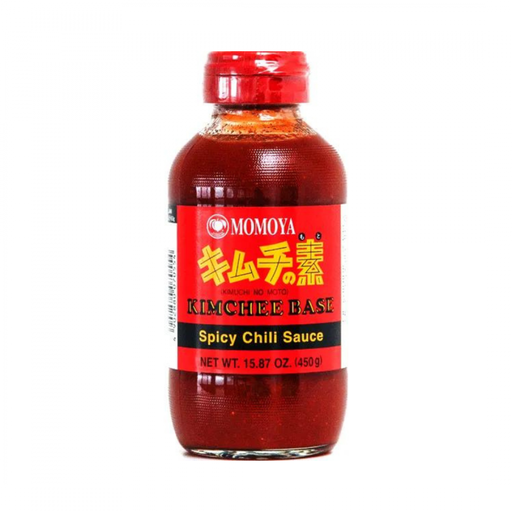
Why This Fits Their Persona: Perfect for those who want full control over their food. With this kimchi paste, you can not only make your own kimchi with vegetables of your choice but also quickly and easily season soups, stews, or fried rice.
This product is clearly declared as a "base," not as ready-to-eat kimchi. This avoids confusion and gives the user full control over the freshness, ingredients, and fermentation level of the final product.
Maximum versatility in the kitchen; significantly simplifies the preparation of homemade kimchi.
We have compiled a complete, up-to-date list of products that fully meet these strict selection criteria and comply with German regulations.
No. Many traditional kimchi recipes contain fish sauce, anchovies, or fermented shrimp paste to create a deep umami flavour. If you follow a vegan diet, you must carefully check the ingredients list or specifically look for products labelled as "vegan." These often use alternatives like soy sauce or miso paste.
The shelf life depends on the type of kimchi. Pasteurised kimchi from a can or jar will typically last for several days to weeks in the refrigerator after opening. Unpasteurised, fresh kimchi continues to ferment in the fridge. Its flavour will become more intense and sour over time. It is safe to eat as long as it shows no signs of mould and has a pleasant sour smell. For optimal texture, it's best to consume it within one to two weeks of opening.
Yes, absolutely. Store-bought kimchi is an excellent ingredient for a wide variety of dishes. More mature (sourer) kimchi is particularly well-suited for cooked dishes. You can use it to make a classic kimchi stew (kimchi-jjigae), fry it with rice (kimchi-bokkeumbap), or use it as a filling for savoury Kimchi Pancakes and Kimchi Dumplings.