
Lieferung heute & morgen

Qualitätsgarantie

Willkommens-Angebote freischalten: KOSTENLOSE Lieferung | Bis zu 80 % RABATT | Kostenlose 30-Tage-JoyPlus-Testphase
App herunterladen
By the Joybuy Product Recommendation Officer, August 28, 2026
When you want to buy liqueur online, you're faced with a vast selection. From traditional herbal liqueurs to trendy party shots, the range can be overwhelming. But not every bottle delivers on its label's promise. Many buyers fall into traps that lead to disappointment in the glass. Before you order your next bottle of liqueur online, you should know the common pitfalls to make an informed decision.
Navigating the world of liqueurs can be tricky. Marketing terms often obscure a product's true quality. Here are three common problems to avoid:
To find the right bottle for your occasion, focus on a few objective criteria. These will help you better assess a liqueur's quality and purpose.
The foundation of every liqueur is a spirit. Whether it's a neutral grain alcohol, a characterful rum, or a specific brandy, the base significantly influences the overall taste. The alcohol content is also a crucial factor:
A look at the ingredient list or product description can be revealing. Watch for terms that indicate high-quality production:
This information helps you choose a liqueur with an authentic flavour profile that isn't just based on added flavourings and excessive sugar.
Consider what you need the liqueur for. This is the most important step in making the right choice.
Here are some recommendations tailored to different profiles and needs, taking the aforementioned quality characteristics into account.
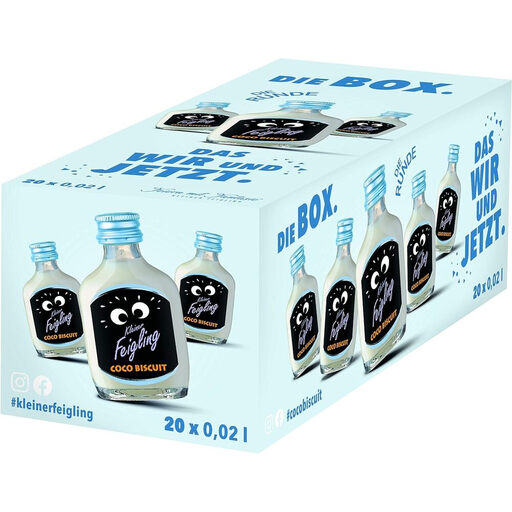
Why it's a good fit: This set of mini-liqueurs is ideal for parties and social gatherings. The coconut and biscuit flavour is approachable and modern, while the small bottles make it easy to share and toast. Perfect for uncomplicated fun.
This product doesn't pretend to be a complex digestif. It is clearly positioned as a party shot, thus avoiding the versatility myth. The flavour is specific and not artificially generic.
Convenient, pre-portioned format for celebrations. The base of German vodka and natural ingredients provides a solid foundation.
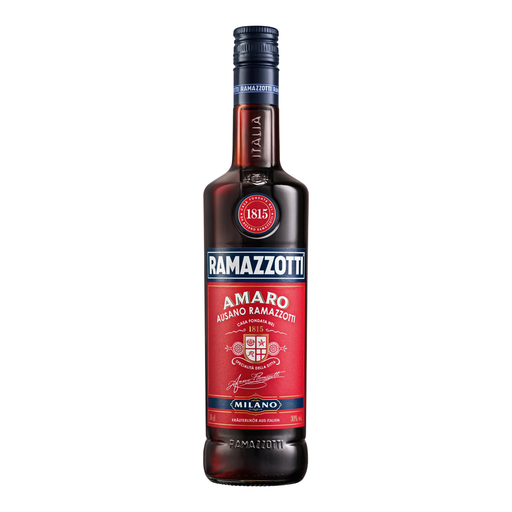
Why it's a good fit: An Italian classic made according to a secret recipe since 1815. As an amaro (bitter), it is the ideal digestif after a good meal. Its complex, bittersweet profile appeals to connoisseurs who appreciate tradition and quality.
This herbal liqueur bypasses the sugar masquerade with its balanced, bittersweet profile. The complexity comes from 33 real herbs, not from added flavourings. It is clearly positioned as a digestif.
Authentic taste from a traditional recipe with no artificial colours or flavourings. A proven classic for post-dinner enjoyment.
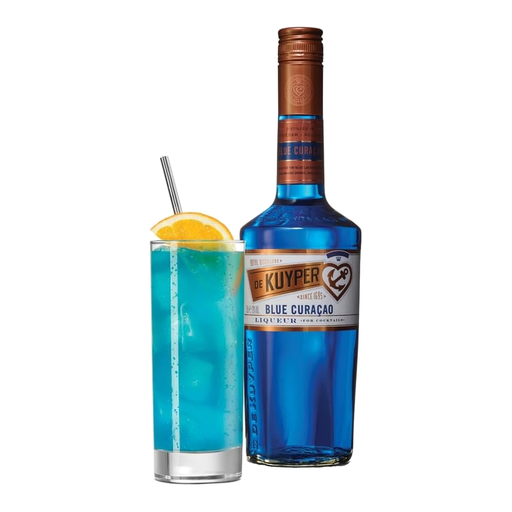
Why it's a good fit: An essential building block for any home bar. As a specialised cocktail ingredient, Blue Cura?ao delivers not only the taste of citrus but also the iconic blue colour for drinks like the Blue Lagoon. Ideal for anyone who loves to mix and experiment.
This product is a purpose-driven ingredient and doesn't fall into the versatility trap. Its flavour profile is based on distillates of oranges, lemons, and Cura?ao fruit, which avoids the flavour trap.
Delivers an intense colour and a clear citrus aroma that is essential for many tropical cocktails. Made by a producer specialising in cocktail liqueurs.
We have compiled a complete, up-to-date list of products that fully meet these strict selection criteria.
The shelf life depends heavily on the type of liqueur. Herbal liqueurs and other high-proof varieties (over 30% ABV) are almost indefinitely stable when stored in a cool, dark place. Cream liqueurs and egg liqueurs should be refrigerated after opening and consumed within a few months (check the manufacturer's instructions on the label). Fruit liqueurs can lose flavour intensity over time and should ideally be consumed within 6 to 12 months.
An aperitif is drunk before a meal to stimulate the appetite. Typically, these drinks are rather dry, bitter, or zesty. A digestif is served after a meal and is intended to aid digestion. These liqueurs are often more complex, bittersweet, and frequently based on herbs.
Theoretically, yes, but the results will vary greatly. A dominant herbal liqueur can overpower the subtle notes of other ingredients, while a very sweet cream liqueur won't suit dry or sour cocktails. The key is to match the flavour profiles. Specialised cocktail ingredients are often designed to blend harmoniously into mixed drinks.