
Lieferung heute & morgen

Qualitätsgarantie

Willkommens-Angebote freischalten: KOSTENLOSE Lieferung | Bis zu 80 % RABATT | Kostenlose 30-Tage-JoyPlus-Testphase
App herunterladen
If you’re looking to buy a mattress, you’ll come across plenty of information about zones, foam types, firmness levels and certifications. In practice, products often differ more in their construction and care requirements than in the claims made about them. What matters is finding features that suit your body weight, sleeping position, bed size and how you’ll use the mattress.
H2, H3 and H4 are widely used firmness ratings, but they aren’t fully standardised across the industry. An H3 mattress can feel firmer or softer depending on its material, construction and your body weight. The base beneath the mattress also affects how it feels.
If you’re looking for a medium-firm mattress, check the following details too:
A mattress with H2 and H3 firmness levels on opposite sides may be more practical if your preferences change than a model with just one firmness level.
A 7-zone mattress divides the sleeping surface into areas for your head, shoulders, back, hips and legs. That alone doesn’t tell you whether the zones will align with your body. Shorter people, for example, may not have their shoulders and hips in the areas intended for them.
So it’s best to think of zones as a design feature, not a medical claim. In retail, the term orthopaedic mattress often describes an ergonomically designed construction. It’s no substitute for medical advice, though, and doesn’t guarantee relief from back or joint pain.
Memory foam can feel like it moulds closely to your body, while open-cell cold foam and pocket-spring designs often allow air to circulate differently. If you tend to sweat more at night, an breathable mattress with a ventilated core and a suitable bed base may be worth considering.
The cover matters too. A removable cover with a zip and clear washing instructions makes regular care easier. Check whether you can wash just the cover or the mattress core as well. Most mattress cores aren’t washable.
For couples, a 180 x 200 cm mattress or two single mattresses, each measuring 90 x 200 cm, are popular options. A 160 x 200 cm mattress takes up less floor space and may suit a smaller bedroom. Before buying, check the internal dimensions of your bed frame, the slatted base and the available room height.
Common sizes for single sleepers include 90 x 200 cm and 100 x 200 cm. An airbed for one person can be used as a guest bed or temporary sleeping option, but it needs different care and storage from a traditional mattress.
A rolled mattress is compact to ship. Once unpacked, it may take several hours or days to expand fully, depending on the manufacturer’s instructions. Open the packaging carefully to avoid damaging the cover or foam.
Labels such as OEKO-TEX and CertiPUR-US relate to specific materials or testing requirements. Product descriptions should clearly explain which certification applies. They aren’t a blanket guarantee of sleeping comfort or health benefits. If you have allergies, it’s also worth checking the cover material, washing temperature and manufacturer’s advice.
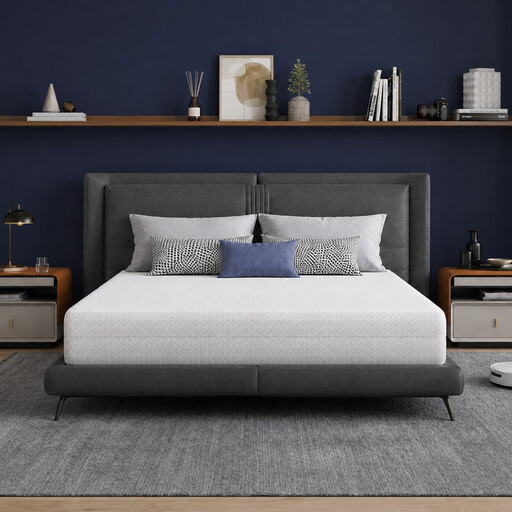
Why this product suits this profile: The 160 x 200 cm size is suitable for smaller double beds. Its medium-firm feel and 12 cm height make it a straightforward introduction to memory foam mattresses.
The product details specify an open-cell foam structure and a removable cover that can be washed at 60°C. This makes it easier to understand the construction and care options.
160 x 200 cm, medium-firm construction, washable cover, and CertiPUR-US and OEKO-TEX Standard 100 certifications stated in the product description.
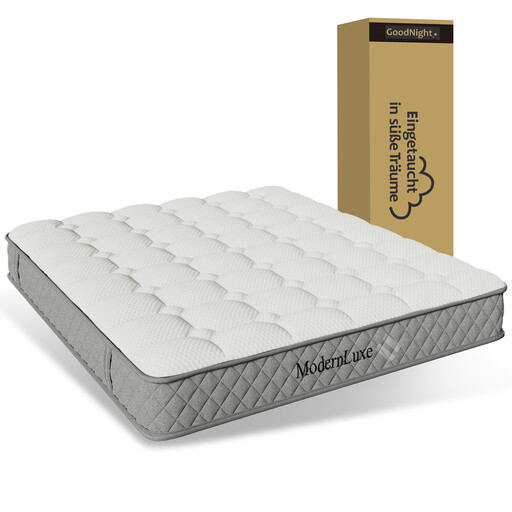
Why this product suits this profile: For couples with enough space, this model combines a 180 x 200 cm size with a 20 cm height, 868 pocket springs and a stated H3 firmness.
The product details specify the core construction, number of springs, maximum load and delivery format. This makes it easier to compare with all-foam models.
7-zone pocket-spring core, H3 firmness, 20 cm height, four turning handles and OEKO-TEX certification stated in the product description.
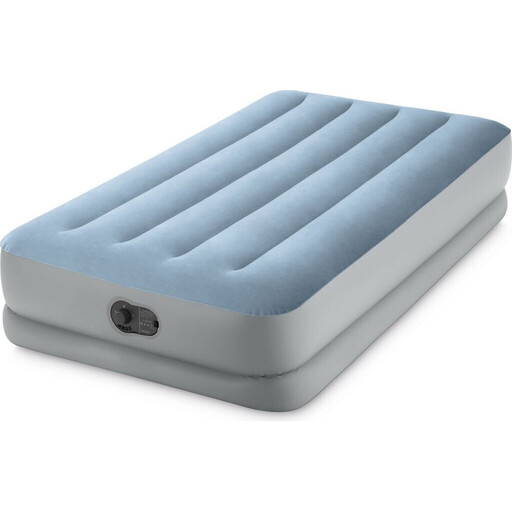
Why this product suits this profile: This single airbed is useful for guests, temporary sleeping arrangements and situations where compact storage matters more than having a permanent bed.
The maximum load of 136 kg, USB pump and warnings about sharp objects and over-inflation are clearly specified.
99 x 191 x 36 cm, integrated USB pump, inflation time of around two minutes according to the product details, and a carry bag included.
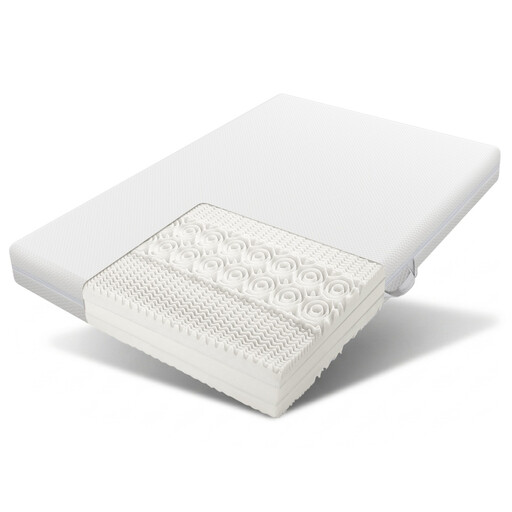
Why this product suits this profile: This double-sided mattress offers two stated firmness levels, making it suitable for couples or individuals whose preferences vary.
The firmness levels are clearly assigned to each side. The product description also specifies a removable cover that can be washed at 60°C.
20 cm height, seven zones, reversible design, zip running all the way around and rolled-mattress delivery format.
We’ve put together a complete, regularly updated list of products that meet these strict selection criteria and the safety regulations in force across the EU.
How long a mattress lasts depends on its material, the load it bears, how well it’s cared for, the bed base and how often it’s used. A general lifespan in years doesn’t tell you much on its own. Regularly check how comfortable it feels, whether there are visible dips or unusual noises, and whether the material has changed. Wash the cover according to its care label, and turn the mattress regularly if the manufacturer allows it.
This depends on the model. Manufacturers often recommend 24 to 72 hours. During this time, leave the mattress on a suitable, level surface and let it air out well. Always follow the manufacturer’s specific instructions.
The price depends on factors such as size, core material, height, cover, certifications and construction. Rather than comparing the purchase price alone, consider the care required, warranty terms, returns period and whether the mattress can support the right load. This will give you a more balanced view of value for money.