
Lieferung heute & morgen

Qualitätsgarantie

Willkommens-Angebote freischalten: KOSTENLOSE Lieferung | Bis zu 80 % RABATT | Kostenlose 30-Tage-JoyPlus-Testphase
App herunterladen
Occasional spots can be a nuisance in daily life – especially when you'd rather not touch them, cover them up, or treat them with a whole host of skincare products. Pimple patches (also known as acne patches) offer a practical way to target specific areas. They protect the skin's surface from friction and unconscious touching, and depending on the type, can be worn during the day or as overnight pimple patches.
However, choosing the right one isn't always straightforward. Marketing terms like "fast treatment", "invisible" or "suitable for all skin types" don't tell you much about how well a product will actually work for you. That's why the Joybuy Product Recommendation Officer focuses on verifiable details such as material, size, ingredients, quantity and usage instructions.
Many hydrocolloid patches are made from a material that absorbs fluid and protects the covered area from external factors. However, this doesn't automatically mean every spot will disappear completely or that acne is being treated. For deep, severely inflamed or recurring skin blemishes, the effect of an externally applied patch can be limited.
Transparent pimple patches can look different depending on your skin type, the lighting and the edge design. A matte finish, tapered edges and the right size all affect how discreet a patch looks. If you plan to wear it under make-up, check the manufacturer's instructions. Some products are specifically described for this purpose, while others, according to their product information, should not be covered with cosmetics.
Some anti-spot patches contain ingredients like salicylic acid or tea tree oil. These may appeal to certain users, but sensitive skin can react to such ingredients with redness or a stinging sensation. A patch made from pure hydrocolloid isn't necessarily better suited, but its formulation is simpler. What matters most is the current INCI list on the packaging and your individual skin needs.
Hydrocolloid patches often contain cellulose gum, polyisobutene or similar ingredients. The material sits on the skin and can absorb fluid from surface-level blemishes. A whitish or cloudy discolouration can indicate that the material has absorbed moisture. This is not a reliable sign of a medical effect.
For products with additional ingredients, compare the full INCI list. Salicylic acid, niacinamide and tea tree oil are different components and shouldn't be judged the same way. If you have sensitive skin, it's best to start with a cautious application following the manufacturer's instructions.
A patch should fully cover the affected area without sticking to unnecessarily large areas of skin. Small diameters are suitable for individual, surface-level blemishes. Larger formats can be useful when you need to cover a bigger area. The Master Patch X-Large measures 30 × 60 mm according to the product details, which puts it in a different category from round individual patches.
Star-shaped pimple stickers can be more noticeable visually and are more of a design choice than a technical advantage. For discreet use, round, matte or semi-transparent options are usually the more obvious choice.
Your skin should be cleansed and completely dry before applying a patch. Residues from moisturiser, oil or serum can affect adhesion. Depending on the product, several hours or overnight wear is recommended. A patch should be removed and disposed of if it comes loose, becomes visibly saturated, or has reached the wear time stated on the pack.
Do not apply to open wounds, severely irritated skin or deep cuts. If you experience stinging, itching or increasing redness, stop using the product. Pimple patches are single-use items and are not intended for reapplication.
The following products differ mainly in quantity, format, material details and additional ingredients. Always check the information against the product packaging before buying, as formulations and batches can change.
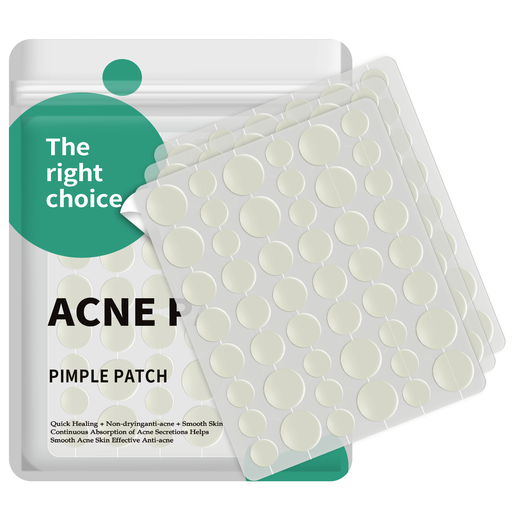
Why this product fits the profile: According to the product name, the pack contains 48 patches on three sheets, making it suitable for people who want to cover several individual blemishes without opting for a large format straight away.
The quantity is clearly stated in the product name, so you can compare the pack size with your own usage before buying.
48 individual patches and three sheets according to the product description.
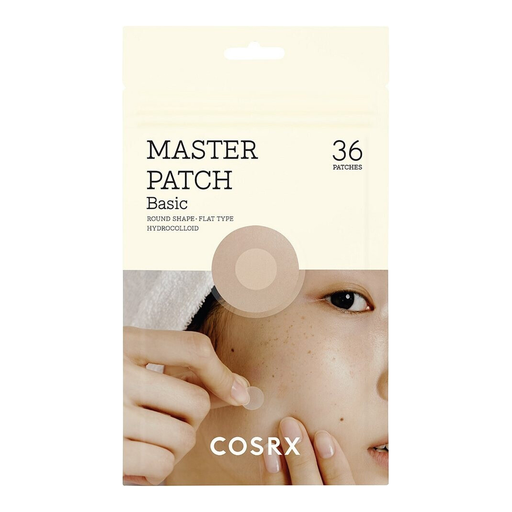
Why this product fits the profile: The product description lists hydrocolloid as the material and features a simple ingredient list without additional active ingredients like salicylic acid or tea tree oil.
The material and safety information are clearly stated. Open wounds and severely inflamed areas are explicitly listed as unsuitable.
36 pieces; hydrocolloid material and clear usage instructions according to the product information.
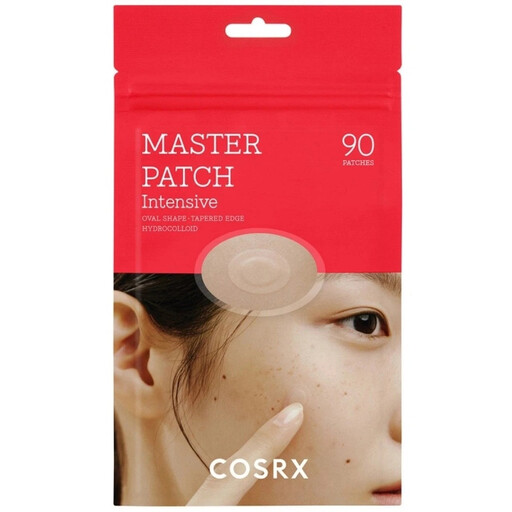
Why this product fits the profile: The pack of 90 pieces is aimed at people who regularly cover individual spots and prefer to have a larger supply on hand.
The product description lists the additional ingredients salicylic acid and tea tree leaf oil. If you have sensitive skin, you can check these details before buying.
90 pieces; transparent design with salicylic acid and tea tree leaf oil according to the product details.
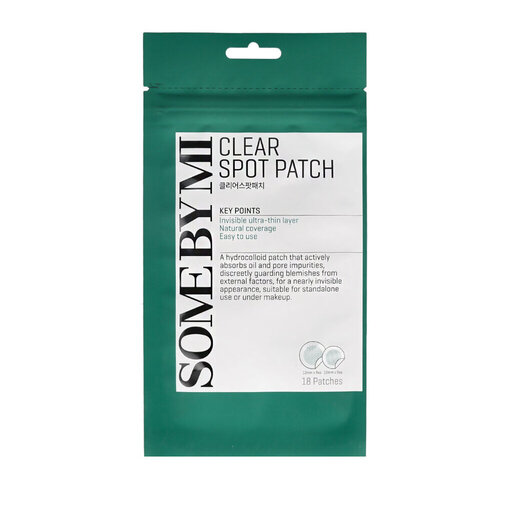
Why this product fits the profile: The product description mentions a semi-transparent, matte finish and two sizes (10 mm and 12 mm). This could be ideal for discreet daytime wear.
The usage instructions require clean, dry skin with no traces of moisturiser or serum. This addresses the common adhesion pitfall when applying patches.
18 pieces in two sizes; matte, semi-transparent hydrocolloid finish according to the product description.
We've put together a full, regularly updated list of products that meet these strict selection criteria and comply with EU safety regulations.
Do not apply skincare products underneath the patch unless the manufacturer advises otherwise. For severely inflamed, painful or recurring skin blemishes, it's worth seeing a dermatologist.
The wear time depends on the specific product. Several hours or overnight wear is commonly recommended. Always follow the instructions on the packaging. A patch that has turned visibly white or has come loose should be removed and not reused.
This depends on the surface, adhesion and manufacturer's instructions. Matte or semi-transparent options are sometimes described as suitable for daytime wear. You shouldn't automatically apply make-up over every pimple patch. It's best to do a quick test on a small area first.
Hydrocolloid patches are mainly designed for surface-level blemishes where fluid can be absorbed. For deep, closed or severely inflamed spots, their effectiveness may be limited. In such cases, avoid squeezing the skin and seek medical advice if the problem persists.