
Lieferung heute & morgen

Qualitätsgarantie

Willkommens-Angebote freischalten: KOSTENLOSE Lieferung | Bis zu 80 % RABATT | Kostenlose 30-Tage-JoyPlus-Testphase
App herunterladen
Yuzu tea, also known as Yuja Cha in Korea, is becoming increasingly popular. Its signature preparation—a jam-like preserve made from yuzu fruit, which is then dissolved in hot or cold water—offers a distinctive sweet-tart flavour experience. However, when trying to buy authentic yuzu tea, many consumers face an overwhelming market. Not every product labelled "Yuzu" delivers on its promise. This guide will help you avoid the most common purchasing pitfalls and make an informed decision.
The disappointment after a purchase can be significant if the product doesn't meet the expectations of a genuine Korean citron tea. Watch out for these three typical traps:
To ensure you get a high-quality, versatile product, you should check three core features before buying.
The most important piece of information is the percentage of yuzu fruit. Reputable manufacturers declare this value on the label. A high fruit content (often listed first as "sugared yuzu" or "yuzu preparation") is a clear indicator of quality. Products where sugar or water is the first ingredient typically offer a less intense fruit experience.
The choice of sweetener significantly impacts both taste and quality.
The traditional form is a thick paste or marmalade with visible pieces of fruit and peel. This consistency is crucial for its versatility. Such a yuzu marmalade is not only suitable for the classic yuzu tea preparation but also as a spread for bread, for enhancing yoghurt and desserts, or as an ingredient in marinades and dressings. Ready-to-drink beverages do not offer this flexibility.
Based on the criteria above, we have selected a few products from our range that are suitable for different needs.
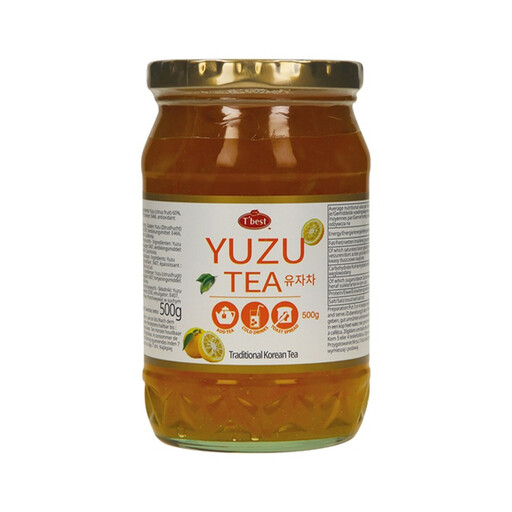
Why This Fits Their Persona: Ideal for users seeking authentic Korean Yuja Cha with a high fruit content and the classic combination of yuzu and honey.
With a 45% yuzu content and 5% honey, this product avoids the flavouring and sugar traps. The ingredients list is transparent and puts the fruit first.
High, declared fruit content. Contains real honey for a well-rounded flavour profile. Versatile enough to be used as a tea and a marmalade.
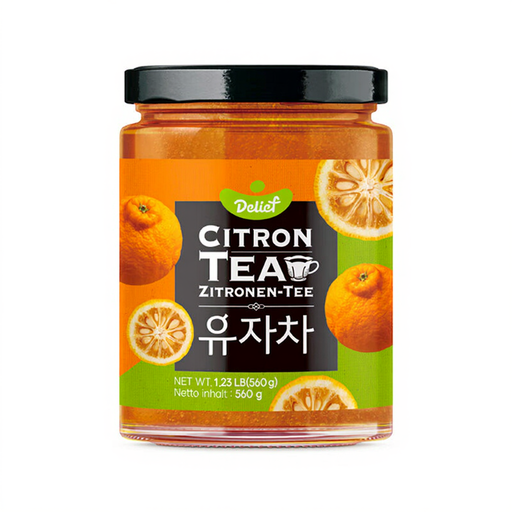
Why This Fits Their Persona: A solid choice for beginners looking for good value for money and a product with real fruit content without paying a premium price.
Although it uses fructose, "Sugared Citron" is the first ingredient. This signals a genuine fruit base instead of just flavourings.
Good value for money. The 560g jar provides a solid supply for regular enjoyment.
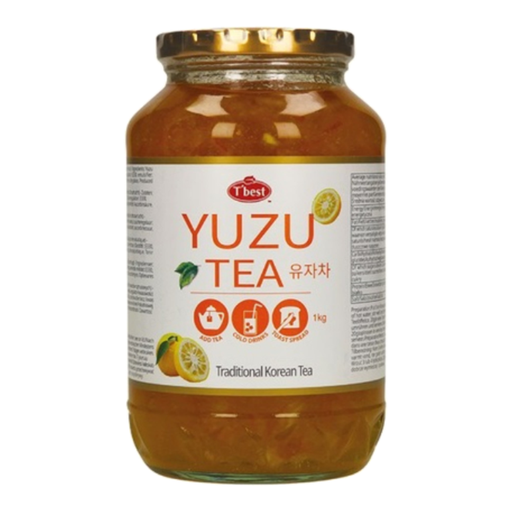
Why This Fits Their Persona: Perfect for anyone who enjoys yuzu tea regularly or wants to use it versatilely in the kitchen, whether for cooking, baking, or drinks.
This bulk package makes no compromises on core ingredients. It lists yuzu citrus fruit (peel and juice) and honey, offering authentic quality in a value size.
The 1 kg size offers excellent value for frequent use. The blend with honey ensures a high-quality taste.
The world of fruit infusions is vast. If you'd like to explore other flavours besides yuzu, we have curated a selection of products that meet our criteria for quality and transparency.
The yuzu tea preparation is straightforward. Add 2 to 3 teaspoons of the yuzu paste to a cup, depending on your desired strength. Pour hot (not boiling) or cold water over it and stir well until the paste has dissolved. Unlike tea bags, yuzu tea does not need to steep.
Yes, traditional Yuja Cha is made from fruit, sugar, and/or honey and is naturally caffeine-free. This makes it a great choice for any time of day or night. However, be mindful of products sold as a blend with green or black tea, as these will contain caffeine.
Its versatility is one of its greatest advantages. Besides being used for hot or cold drinks, yuzu marmalade is excellent as a: