
Lieferung heute & morgen

Qualitätsgarantie

Willkommens-Angebote freischalten: KOSTENLOSE Lieferung | Bis zu 80 % RABATT | Kostenlose 30-Tage-JoyPlus-Testphase
App herunterladen
Published by Joybuy Product Recommendation Officer on August 28, 2026
Frozen gyoza promise a quick, easy, and delicious meal reminiscent of your last visit to a Japanese restaurant. However, the selection in supermarkets and online can be overwhelming. Not every product lives up to the promise on its packaging. This guide will help you avoid the most common pitfalls when buying frozen gyoza and make an informed decision that meets your expectations for taste and quality.
Before you add Japanese dumplings to your cart, you should be aware of three common issues that often only become apparent after cooking.
To avoid the problems mentioned above, focus on three objective parameters that you can check directly on the packaging or in the product description.
The order of ingredients indicates their proportion in the product; the first ingredient listed is the most abundant. Look for products where the namesake ingredient (e.g., chicken, shrimp, or a specific vegetable mix) appears high up on the list. Some manufacturers specify the percentage of the main ingredients—a clear sign of transparency.
A good gyoza wrapper consists mainly of wheat flour, water, and salt. It should be thin enough to let the filling show through but robust enough not to burst during cooking. Products specifically designed for the classic Japanese cooking method (pan-frying and steaming) often have a wrapper that strikes this balance perfectly.
Manufacturers who provide detailed instructions for multiple cooking methods—such as pan-frying, steaming, boiling, or deep-frying—have typically designed their product comprehensively. The ability to be prepared in various ways without losing shape or texture speaks to the quality of both the wrapper and the filling. This is an important aspect if you want to learn how to cook gyoza.
Here are some recommendations tailored to different needs and flavour preferences.

Why This Fits Their Persona: Ideal for those seeking the authentic taste of Japanese dumplings. Ajinomoto is an established brand known for its classic flavour profile, offering a balanced mix of juicy chicken and vegetables.
The ingredient list is transparent, and the product is optimised for the classic pan-frying method, which prevents the "Dough Deception" and ensures a crispy-yet-tender texture.
Authentic Japanese flavour profile; versatile and clear cooking instructions for consistent results.

Why This Fits Their Persona: Perfect for anyone looking for a plant-based option without compromising on flavour. These gyoza offer a rich filling that goes beyond a simple cabbage mix.
It avoids the "Filling Trap" with a diverse vegetable blend featuring textured soy protein, which provides a complex texture and a satisfying umami flavour.
Fully plant-based ingredients; the filling offers an appealing texture and depth by combining various vegetables and protein sources.
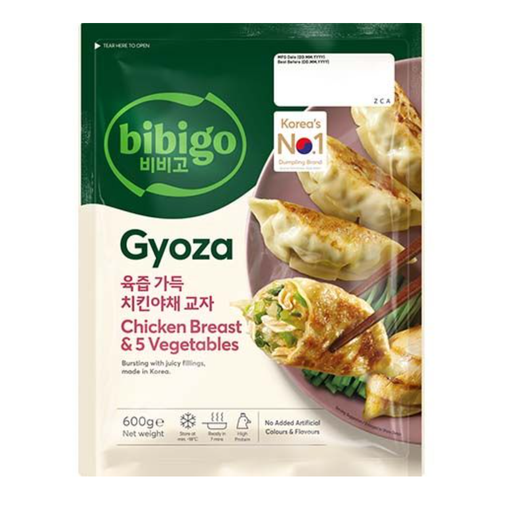
Why This Fits Their Persona: For those looking for an alternative to gyoza and wanting to try the Korean version, mandu. Bibigo is a leading Korean brand whose products are known for their authentic and often bolder flavours.
Clear percentage declarations (33% vegetables, 16% chicken breast) create transparency. The wrapper is specially designed for a crispy texture when pan-fried, which is typical for Korean mandu.
Authentic Korean flavour with a filling of five types of vegetables; the wrapper becomes exceptionally thin and crispy when fried.
We have compiled a complete, real-time list of products that fully satisfy these strict selection criteria and UK safety regulations.
The recommended method for most frozen gyoza is the pan-fry and steam method:
A classic and simple dipping sauce can be quickly mixed yourself. Combine:
This mixture provides a perfect balance of salty, sour, and umami that harmonises beautifully with the flavour of the gyoza.