
Lieferung heute & morgen

Qualitätsgarantie

Willkommens-Angebote freischalten: KOSTENLOSE Lieferung | Bis zu 80 % RABATT | Kostenlose 30-Tage-JoyPlus-Testphase
App herunterladen
The selection of iced tea on supermarket shelves or online is vast. From classic varieties like peach and lemon to exotic blends, there seems to be a perfect product for every taste. But when buying iced tea, several pitfalls lurk, often only noticed after opening the bottle. A high sugar content hidden behind flowery marketing terms, or a disappointing taste that has little to do with the fruit pictured on the label, are not uncommon.
This guide will help you identify the key product features and make an informed choice that suits your needs—whether you're stocking up for the family, looking for a sugar-free refreshment for the office, or simply want to order iced tea conveniently.
Before you decide on a product, it's helpful to know two common marketing practices that often lead to an unsuitable choice.
Many labels advertise juicy fruits and promise an intense "fruit flavour." In reality, however, this doesn't necessarily mean that a significant amount of real fruit juice is included. Often, the taste is primarily created by flavourings, while the actual juice content from concentrate can be less than one percent. A look at the ingredients list provides clarity: the percentage of fruit juice (e.g., "peach juice from peach juice concentrate (0.1%)") is an objective figure that says more than any promotional image.
An iced tea can taste refreshing and still contain a significant amount of sugar. Terms like "less sweet" are not standardised and can be misleading. The crucial step is to look at the nutrition facts table. The value for "Carbohydrates, of which sugars" per 100 ml allows for a direct comparison between different products. A sugar-free iced tea or a zero-sugar iced tea uses sweeteners like steviol glycosides, sucralose, or acesulfame-K instead, to achieve a sweet taste with few or no calories.
To find the right iced tea, you should evaluate three core features that determine taste, quality, and practical use.
The foundation of any iced tea is the tea used, which defines the basic character of the drink.
Some manufacturers, like Pfanner Iced Tea, advertise with the claim "freshly brewed." This means the tea is traditionally prepared with hot water and then cooled, rather than using powdered tea extract.
As mentioned, sugar content is a key differentiator. A standard iced tea often contains between 6 and 9 grams of sugar per 100 ml. Those looking for a lighter alternative should specifically look for products labelled "sugar-free" or "zero." These are a great choice for health-conscious consumers or individuals looking to reduce their sugar intake.
Packaging affects not only shelf life but also convenience.
If you regularly order iced tea, buying multipacks or bulk containers can not only be practical but also reduce the price per litre.
Here are some recommendations tailored to different requirements and taste profiles.
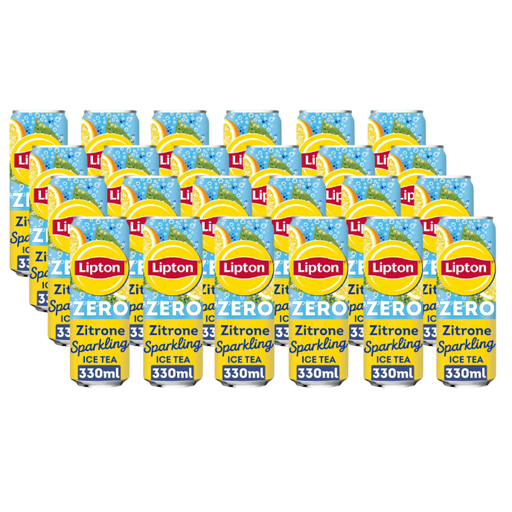
Why This Fits Their Persona: Ideal for anyone seeking a refreshing yet calorie-free alternative. The carbonation provides a sparkling experience that stands out from classic iced tea. The 0.33L cans are perfect for consumption on the go or at the office.
This product consistently avoids the sugar trap. The "Zero Sugar" label means what it says: according to the nutrition facts, it contains 0g of sugar and only 2.15 kcal per 100 ml.
Calorie- and sugar-free. The added carbonation offers a welcome change from still iced teas.
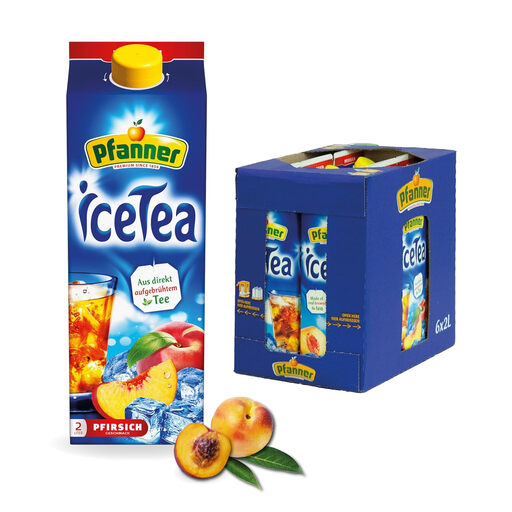
Why This Fits Their Persona: This bulk pack is designed for households looking to stock up on beverages. The classic peach flavour is popular with many family members, and the 2L cartons are ideal for the fridge at home.
The product description is transparent: it is a freshly brewed black tea with rosehip and hibiscus. The fruit juice content of 0.1% is clearly declared, so no false expectations are set.
Large bulk pack with a total of 12 litres. The tea is freshly brewed, which many consumers value as a mark of quality.
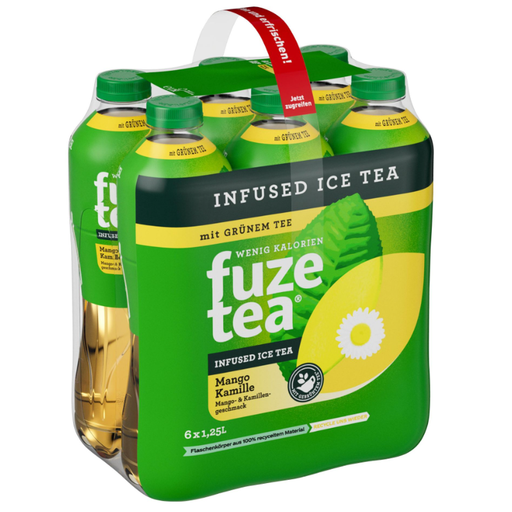
Why This Fits Their Persona: For anyone looking for a change from classic iced tea. The combination of green tea, fruity mango, and a hint of chamomile offers an exceptional taste experience. It's a low-calorie option for mindful enjoyment.
The product is transparently labelled as "low-calorie" and lists both sugar and sweeteners (steviol glycosides) in the ingredients. At 4.3g of sugar per 100 ml, it is significantly lower than many standard iced teas.
Unique flavour combination. The tea comes from sustainable sources (Rainforest Alliance Certified).
We've curated a complete, up-to-date list of products that meet our strict selection criteria.
After opening, iced tea should be stored in the refrigerator and generally consumed within 2 to 3 days. Pay attention to the manufacturer's specific instructions on the packaging, as shelf life can vary depending on the product and preservatives used.
Yes, most types of iced tea contain caffeine because they are made from black or green tea. The amount is comparable to a cup of tea and is usually well below that of coffee. Iced teas based on fruit or herbal infusions are a caffeine-free alternative.
Although the terms are often used interchangeably, there are subtle differences. "Sugar-Free" generally means that no table sugar (sucrose) has been added to the product. However, it may contain fruit sugar from juice concentrates. "Zero" usually refers to calories, meaning the drink has virtually no calories, which is achieved by using sweeteners instead of sugar.