
Lieferung heute & morgen

Qualitätsgarantie

Willkommens-Angebote freischalten: KOSTENLOSE Lieferung | Bis zu 80 % RABATT | Kostenlose 30-Tage-JoyPlus-Testphase
App herunterladen
By Joybuy Product Recommendation Officer, August 28, 2026
Choosing an orange juice during your weekly shop might seem like a simple task. However, the sheer variety on the shelves and the different labels on the packaging can quickly become confusing. When you order a bulk pack of orange juice online, you want to be sure you're getting a product that meets your standards for taste and quality. This guide will help you identify the key features and avoid common purchasing pitfalls.
Before you buy your next orange juice, you should be aware of two widespread misconceptions that often lead to the wrong product choice.
To make an informed decision, you should check three core parameters. These provide insight into the actual quality and composition of the product.
Food regulations establish clear definitions:
Here are some recommendations tailored to different needs and households.
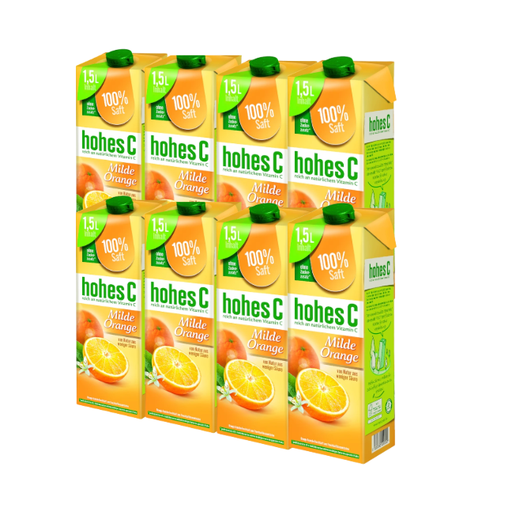
Why it's a great fit: Ideal for daily family consumption. The low-acid formula makes the juice well-tolerated by children and individuals with sensitive stomachs. The large 1.5-litre bottle in a bulk pack is practical and economical for stocking up.
This is 100% juice with no added sugar, not a nectar. The "mild" attribute refers to the use of low-acid oranges and is a clear quality feature.
Bulk pack for the family pantry; according to the manufacturer, it is rich in natural Vitamin C from oranges and acerola.
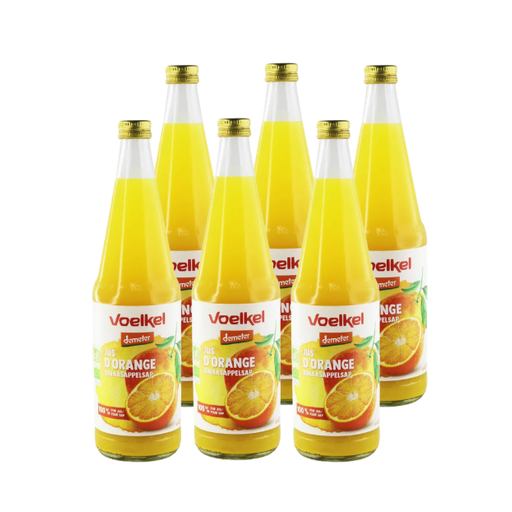
Why it's a great fit: For buyers who place the highest value on origin, gentle processing, and certified quality. The taste is authentic and unadulterated, perfect for pure enjoyment at the breakfast table.
As an orange juice not from concentrate, it bypasses the concentration processing step. The Demeter organic certification ensures a traceable and strict quality standard.
100% not-from-concentrate juice with Demeter quality, no additives, and bottled in more environmentally friendly glass bottles.
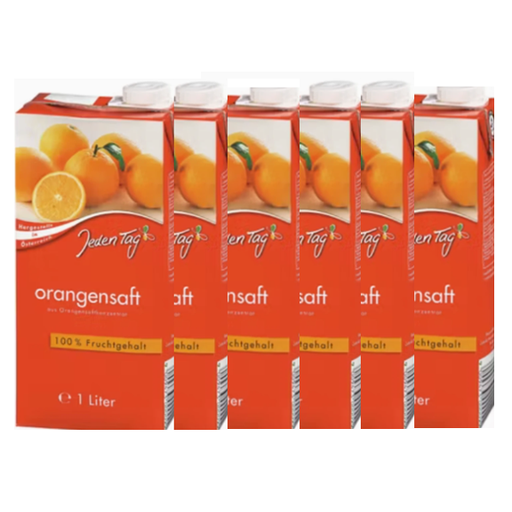
Why it's a great fit: A solid choice for offices, shared apartments, or budget-conscious families looking for a reliable juice for everyday use. The focus is on functionality and excellent value for money.
The product is clearly declared as 100% orange juice, thus meeting the fundamental quality standard. It avoids the trap of being a lower-quality nectar with added sugar.
Great value for a 100% juice from concentrate, ideal for bulk purchasing and daily consumption.
We've compiled a complete, up-to-date list of products that meet these strict selection criteria and regulatory standards.
The main difference lies in the fruit content. Orange juice must always consist of 100% fruit, with no added sugar or water. Orange nectar, on the other hand, only needs to have a minimum fruit content of 50%; water and sugar can be added, which often makes it sweeter and less intensely fruity.
Once opened, orange juice should always be stored in the refrigerator. Most manufacturers recommend consuming the juice within 3 to 4 days to ensure freshness and quality. Always check the specific instructions on the packaging.
Neither production method is inherently "better"; they are just different. Juice that is not from concentrate is less processed and often offers a more authentic, slightly variable taste. Juice from concentrate undergoes more processing steps but is more logistically efficient and provides a consistent flavour. The choice depends on your personal preference for taste profile and budget.