
Lieferung heute & morgen

Qualitätsgarantie

Willkommens-Angebote freischalten: KOSTENLOSE Lieferung | Bis zu 80 % RABATT | Kostenlose 30-Tage-JoyPlus-Testphase
App herunterladen
By Joybuy Product Recommendation Officer, 28 July 2026
A cereal bar seems like the ideal on-the-go snack: convenient, portable, and supposedly nutritious. But looks can be deceiving. Many products marketed as healthy snacks are, upon closer inspection, little more than candy bars filled with hidden sugars and empty calories. To help you make an informed choice, we'll highlight the most common pitfalls and show you what to look for when selecting a bar.
On supermarket shelves, countless bars compete for shoppers' attention. Many packages promise energy, protein, or a sugar-free alternative. But they don't always deliver on that promise.
To avoid falling into these traps, you should check three core parameters before buying. This information is usually found on the back of the packaging.
The crucial value is the "Carbohydrates, of which sugars" entry in the nutrition table. A low value (e.g., under 10g per 100g) indicates a low-sugar product. Also, pay attention to the ingredients list. If sugar substitutes like maltitol or stevia are used, it could be a good option for a sugar-free cereal bar. However, be aware that excessive consumption of sugar substitutes can have a laxative effect.
For athletes or anyone looking for a filling snack, the protein content is key. A bar with 15g to 20g of protein can effectively contribute to your daily needs. The protein source is also important. Milk protein (casein or whey) and plant-based proteins from soy or peas are common options. A good energy bar combines protein with complex carbohydrates for sustained energy release.
A high proportion of wholegrains, often found in an oat bar, provides long-lasting satiety and delivers valuable fibre. Fibre supports digestion and helps maintain stable blood sugar levels. Products that list wholegrain oats or other wholegrains first in the ingredients list are generally a good choice.
Based on these objective criteria, we have put together a few products for different profiles.

Why This Fits Their Persona: Ideal for a quick, calorie-conscious snack at the office or on the move. Delivers chocolate flavour without overloading your sugar budget.
This bar bypasses the sugar trap by using the sweetener maltitol. According to the manufacturer, the sugar content is just 2.4g per 100g.
Low in calories with only 67 kcal per bar. Built on a solid base of wholegrain cereal flakes.
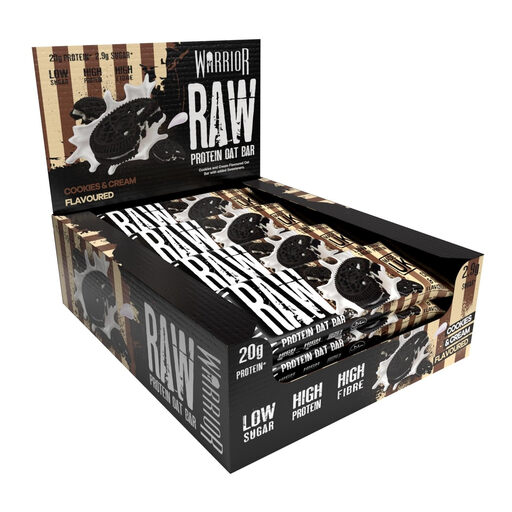
Why This Fits Their Persona: Designed for post-workout recovery or as a high-protein snack to support muscle growth.
This bar avoids the protein bluff with a clearly stated, high protein content of 20g per bar. At the same time, the sugar content is very low at just 3.5g per bar.
High protein content from milk protein. The oat base also provides complex carbohydrates and fibre.
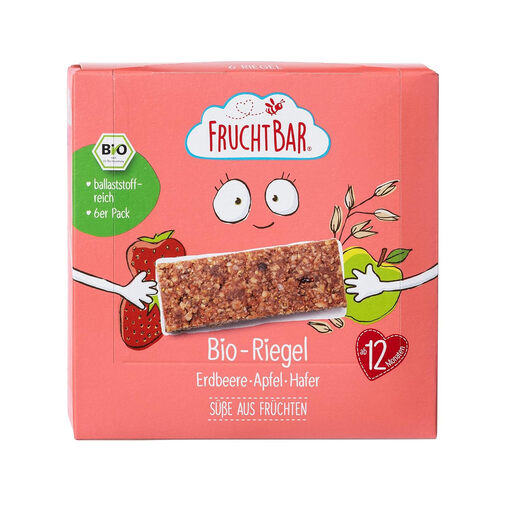
Why This Fits Their Persona: A convenient snack option for lunchboxes or days out. The recipe is specially formulated for the needs of young children.
According to the manufacturer, this organic fruit bar contains no added sugar. The sweetness comes exclusively from its fruit ingredients, such as apple juice concentrate and dried strawberries.
Made with organic ingredients. Suitable for children from 12 months. The oat base ensures it's satisfyingly filling.
We've compiled a complete, up-to-date list of products that fully meet these strict selection criteria.
The surest way is to check the ingredients list and the nutrition table. Look for terms like sugar, glucose syrup, fructose, honey, or dextrose in the ingredients list. If these appear near the top, the sugar content is high. The "of which sugars" line in the nutrition table shows the total sugar content per 100g and is the most reliable indicator.
Protein bars can be a convenient supplement to a balanced diet, especially for individuals with increased protein needs, such as athletes. However, they should not serve as a complete meal replacement. Pay close attention to the sugar and calorie content, as some products are very energy-dense. They should be consumed as part of an overall balanced diet.
The terms are often used interchangeably, but there are subtle differences. A cereal bar typically contains a mix of various grains, nuts, seeds, and fruits. An oat bar (or flapjack) almost always has oats as its main ingredient, which often gives it a softer, chewier texture. Both can be high in sugar or protein, depending on the recipe.