
Lieferung heute & morgen

Qualitätsgarantie

Willkommens-Angebote freischalten: KOSTENLOSE Lieferung | Bis zu 80 % RABATT | Kostenlose 30-Tage-JoyPlus-Testphase
App herunterladen
The world of Chinese vinegar is vast and fascinating, but the sheer variety can be overwhelming. When you're standing in front of the supermarket shelf, faced with countless different bottles, you often wonder: Which one is right for my dish? The wrong choice leads not only to an inauthentic flavour experience but also to wasted money. As your Joybuy Product Recommendation Officer, I'm here to help you navigate the common pitfalls and make an informed decision.
Many shoppers grab the wrong product due to a lack of knowledge. Watch out for these three common problems to avoid disappointment:
To buy the right Asian vinegar, you need to understand three core parameters. These will help you objectively evaluate a product's quality and intended use.
The foundation of any good vinegar is its raw materials. Chinese vinegar is typically brewed from grains. The type of grain largely determines the flavour profile:
The brewing method is just as crucial. A traditionally brewed vinegar undergoes solid-state fermentation, a slow and elaborate process that ensures an unparalleled depth of flavour.
The total acidity, listed in g/100ml, is an indicator of the vinegar's intensity. A value of 3.5 g/100ml suggests a mild vinegar, while values of 5.5 g/100ml or higher indicate a very strong, tart flavour.
The aging period (e.g., "aged 3 years") is another quality indicator. Similar to wine or balsamic, aging mellows the sharp acidity and allows complex, well-rounded flavours to develop.
The colour provides an initial clue to its flavour and use:
Instead of making a one-size-fits-all recommendation, we've selected products for different needs and user profiles.
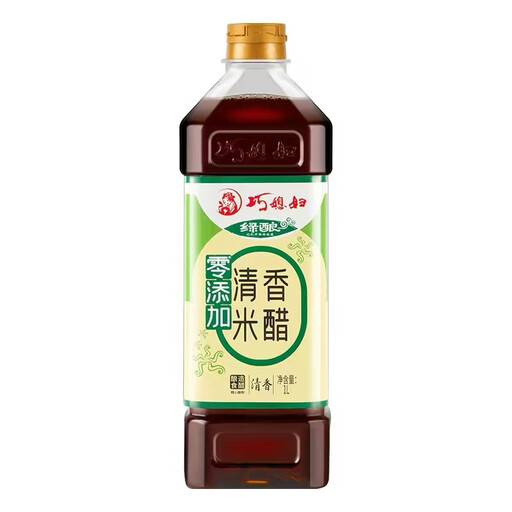
Why This Fits Their Persona: Ideal for anyone looking for a versatile and straightforward vinegar for daily use. The large 1-litre bottle offers great value for money for families and home cooks who regularly prepare Asian cuisine.
It is "naturally brewed" and, according to the manufacturer, contains no preservatives, sweeteners, or colourants. Its moderate acidity (3.5°) makes it flexible and prevents it from overpowering dishes.
Mild, refreshing flavour suitable for dips, stir-fries, and salads; large, value-sized bottle.
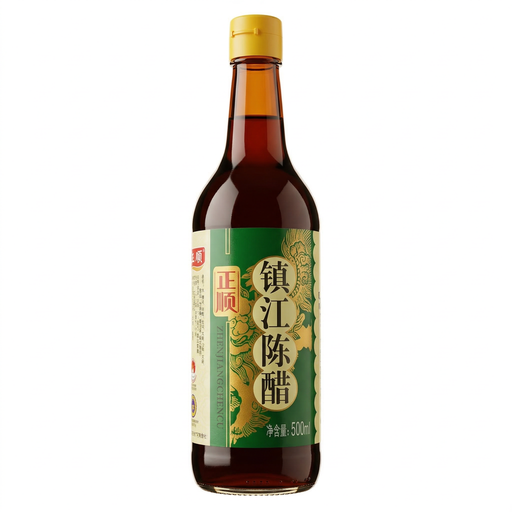
Why This Fits Their Persona: For cooks seeking the unmistakable, deep, and complex flavour of a genuine Zhenjiang vinegar. Perfect for the classic dumpling dip or for enhancing rich, braised dishes.
This is an authentic product with a protected geographical indication ("Zhenjiang Xiangcu"). The three-year aging period and high acidity (≥5.50g/100ml) guarantee a genuine, unadulterated taste, setting it apart from cheap imitations.
Traditionally brewed and aged in Zhenjiang; complex, malty aroma with a balanced acidity.
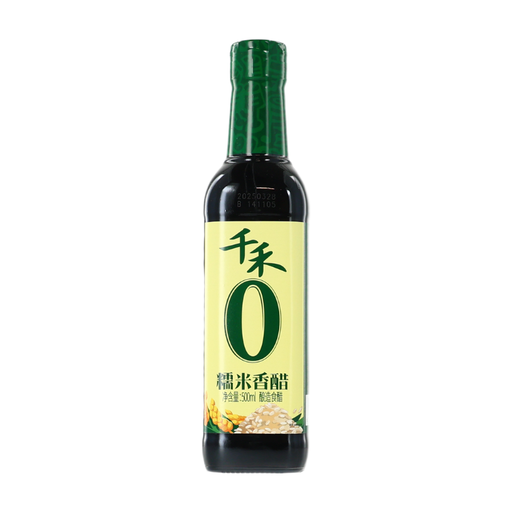
Why This Fits Their Persona: For consumers who prefer the shortest, cleanest ingredient list possible. The Qianhe brand is known for its "zero-additive" philosophy.
This product consistently avoids the hidden additives pitfall. The ingredient list is minimalist: water, glutinous rice (20%), salt. It's a pure, brewed product with no unnecessary extras.
Made from high-quality glutinous rice for a smoother, more complex flavour; free from all additives.
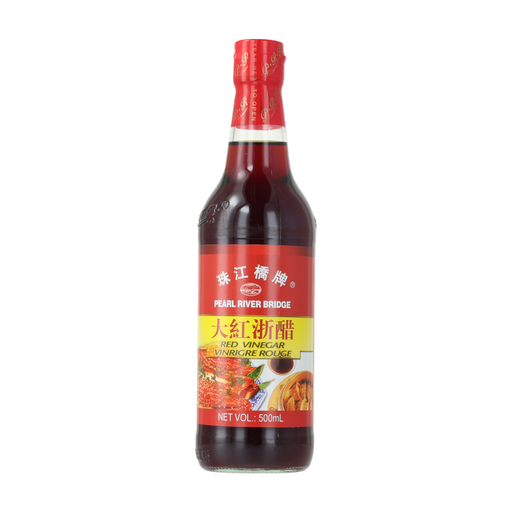
Why This Fits Their Persona: For cooks who appreciate the authentic taste of Cantonese cuisine and need a special vinegar for seafood, wontons, or noodle soups.
This product is clearly labelled as a red vinegar for specific applications. This prevents you from accidentally using an unsuitable black or light vinegar for delicate dishes like steamed fish or shrimp wontons.
Mild acidity and a distinctive aroma that enhances the natural flavour of seafood rather than overpowering it.
We have compiled a complete, up-to-date list of products that fully meet these strict selection criteria and local regulations.
1. How do I properly store Chinese vinegar to keep it fresh? Chinese vinegar should be stored in a cool, dry place, away from direct sunlight. After opening, it's important to seal the bottle tightly to preserve the aroma. Refrigeration is generally not necessary, but it can extend the freshness of some varieties.
2. What is the main difference between Chinese and Japanese rice vinegar? Although both are made from rice, they are distinctly different. Chinese rice vinegar is often more robust and acidic, available in light, red, and black varieties. Japanese rice vinegar is typically milder, often with a slight sweetness, and is used almost exclusively in its clear or pale-yellow form for preparing sushi rice and light dressings.
3. Can I simply substitute black vinegar with light rice vinegar? A direct substitution is not recommended, as their flavour profiles are fundamentally different. Black vinegar has a complex, malty, and earthy aroma that is essential for braised dishes and robust dips. Light rice vinegar, in contrast, offers a clean, sharp acidity. A substitution would significantly alter the character of the dish.