
Lieferung heute & morgen

Qualitätsgarantie

Willkommens-Angebote freischalten: KOSTENLOSE Lieferung | Bis zu 80 % RABATT | Kostenlose 30-Tage-JoyPlus-Testphase
App herunterladen
Rice vinegar is a kitchen staple in many Asian dishes, but it is not always understood correctly. Japanese rice vinegar is not automatically suitable for every sushi recipe, while Chinese rice vinegar can vary considerably in strength and aroma depending on the type. The term ‘sushi vinegar’ can also lead to the wrong purchase, as it usually refers to a pre-seasoned blend.
If you’re buying rice vinegar online, don’t just look at where it comes from or the size of the bottle. The key factors are ingredients, acidity, seasoning, fermentation method and intended use.
Traditional rice vinegar is essentially made from water, rice or rice extract, and acid. For sushi rice, it is usually mixed with sugar and salt. Ready-made sushi vinegar already contains these ingredients. It saves time, but it also adds more sugar and salt to your dish.
One example is Mizkan Sushi Seasoning 568 ml. According to the product information, the blend contains vinegar, sugar, salt and kelp extract. With 47 g of sugar and 9,9 g of salt per 100 ml, its composition is quite different from that of unseasoned rice vinegar. So, if you’re seasoning sushi rice, check whether you want a ready-made seasoning blend or a neutral vinegar.
Mild rice vinegar can work well in salad dressings, cold dishes and marinades. But when making sushi rice, the amount you use and your choice of seasoning also matter. Some products have a very delicate flavour, while others are noticeably sharp or have added sweetness.
Check the total acidity or stated acidity level. For example, Amoy Rice Vinegar 150 ml has an acidity of 5,5%. Qiao Xifu Naturally Brewed Fragrant Rice Vinegar 1,0 L is described as having an acidity level of 3,5°. These figures are not directly comparable in every respect, but they show that products with similar names can have different flavour profiles.
The ingredients list tells you more than the front of the packaging. Some products contain sugar, salt or cereal ingredients, even if they have no preservatives or colourings. Other varieties contain additives such as colourings or flavour enhancers.
If you’re looking for rice vinegar without additives, read the full ingredients list and allergen information. If it contains wheat, wheat bran or barley, the indication of gluten-containing cereals is also important.
With naturally fermented rice vinegar, the type of rice and the production method offer useful clues about its flavour profile. Glutinous rice varieties can taste softer and rounder, while varieties made from brown rice, black glutinous rice or a cereal blend can develop more pronounced flavours.
The Korean rice vinegar KR CJW Brown Rice Vinegar 500 ml contains 10 per cent fermented rice, as well as water and acetic acid, according to the product information. It is intended for salad dressings, marinades, seasoning and pickling. Even so, check the information on the packaging you receive, as recipes and labelling may be updated.
A more pronounced acidity can be desirable in rice vinegar for cooking, soups or wok dishes. For salad dressings and dips, a mild, well-balanced flavour is often easier to use.
There are two good options for sushi rice:
The second option is convenient, but gives you less control over the sweetness and salt content.
A 500 ml bottle of rice vinegar is a good choice for regular household use without taking up too much space. For frequent cooking, catering businesses or Asian food shops, a 1,0 or 1,8-litre bottle may be more economical. How much you use depends on what you’re making: dressings usually need just a few tablespoons, while pickling may require considerably more liquid.
Once opened, store the bottle in a cool, dry place with the cap tightly closed, following the instructions on the packaging. Some products recommend refrigeration after opening. Always follow the guidance from the manufacturer of the product you have.
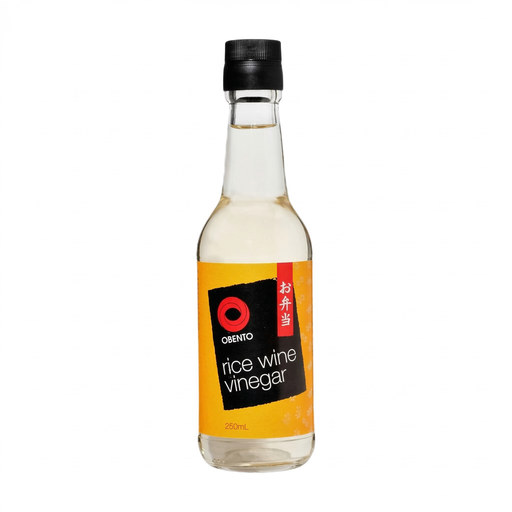
Why it suits this profile: The small 250 ml bottle is a good choice if you’d like to try rice vinegar in dressings or marinades, or for the occasional sushi recipe.
The ingredients list states that it contains water, 14 per cent glutinous rice and salt. This makes it easy to distinguish from sushi vinegar that has already been sweetened.
250 ml bottle, Japanese-style vinegar and versatile use for seasoning, pickling and dressings.
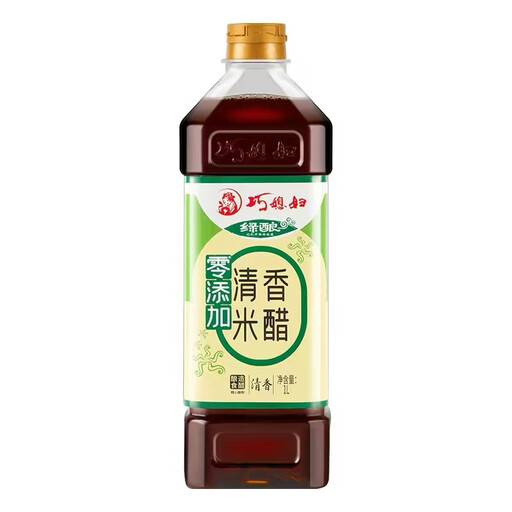
Why it suits this profile: The 1-litre bottle is aimed at households that cook regularly and need a Chinese rice vinegar for cold dishes, wok dishes, dips and marinades.
The product information states an acidity level of 3,5° and a fermented rice base. However, the ingredients list also includes sugar, salt and wheat ingredients.
1 litre bottle and versatile uses for everyday cooking.
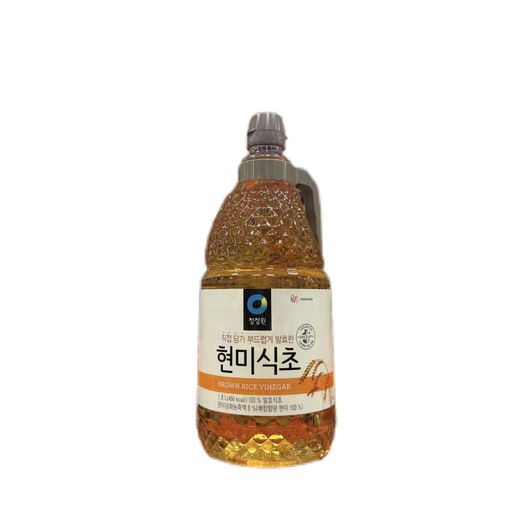
Why it suits this profile: This large bottle of Korean rice vinegar is a good choice for frequent users, catering businesses, restaurants or households that often pickle and season food.
The large bottle means fewer repeat purchases. However, buyers should take note of the extensive ingredients list, which includes glucose, alcohol, syrup and other ingredients.
1,8 litres, stated natural fermentation and suitable for dressings, marinades, sushi rice and everyday cooking.
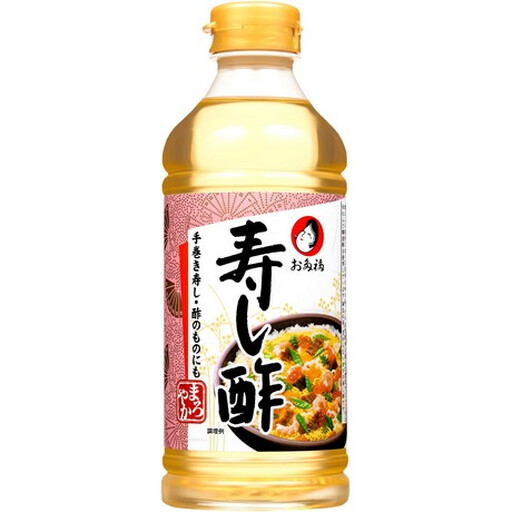
Why it suits this profile: This ready-made blend of rice vinegar, sugar, salt and sake is designed for making seasoned sushi rice straight away.
The clear description as sushi vinegar helps distinguish it from unseasoned rice vinegar. As it contains sugar and salt, it does not have a neutral flavour.
500 ml bottle and ready-made seasoning for sushi, bento, salads and marinades.
We’ve put together a complete, regularly updated list of products that meet these strict selection criteria and the safety regulations in force in the EU.
No. Rice vinegar is usually a neutral or lightly seasoned vinegar base. Sushi vinegar also contains sugar and salt, and can be used straight away to season cooked rice. Check the ingredients list to see which type you’re buying.
It depends on the quantity of rice, the product and the flavour you’re after. Sugar and salt are often added when using unseasoned rice vinegar. If you’re using ready-made sushi vinegar, follow the recommended amount on the bottle and gently fold it into the rice so the grains don’t get crushed.
Unopened products can be used up to the best-before date printed on the packaging. Once opened, close the bottle tightly and follow the storage instructions. Some varieties should be kept in the fridge. If you notice changes in the smell, colour, flavour or packaging, don’t use the product.