Families prioritising fibre
You want to check the stated fibre content of chocolate cereals, rather than infer it from the wholegrain content or the design of the packaging.


If a reliably high fibre content matters for your family shop, start by comparing the figure per 100 g on the specific pack. REWE lists 8.6 g of fibre per 100 g for Nestlé Nesquik Knusper-Frühstück, while Kellogg’s Deutschland lists 6.0 g per 100 g for Choco Krispies Chocos. Both figures meet the EU threshold for a ‘high fibre’ claim. Then check the sugar, ingredients, allergens and pack size to make sure they suit your family’s needs.
You want to check the stated fibre content of chocolate cereals, rather than infer it from the wholegrain content or the design of the packaging.
You’re looking for a chocolatey breakfast and want to compare sugar per 100 g, serving size and the ingredients in the specific variety.
You start by checking the nutritional information and allergens, then consider which pack size suits your household’s consumption and storage needs.
First, decide whether classic chocolate cereal or chocolate muesli is right for your family. Then assess the fibre content using the nutritional information for the specific variety, not its grain type.
A good fit if: Your family is looking for this type of cereal and a stated fibre content is a deciding factor.
Worth considering: REWE and Kellogg’s Deutschland both list 22 g of sugar per 100 g for the varieties mentioned here.
A good fit if: You want wholegrain oats or other wholegrain ingredients in a classic muesli mix.
Worth considering: A high wholegrain content alone doesn’t prove that a product is high in fibre. The nutritional information for the specific variety is what matters.
| Criteria | What to check | Who is it particularly important for? |
|---|---|---|
| Fibre | Check the fibre per 100 g for the variety you’re considering. Under the EU regulation on nutrition claims, ‘high fibre’ means at least 6 g per 100 g or 3 g per 100 kcal. | If I’m specifically looking for high-fibre chocolate cereals, I need the figure for that exact variety. This is the top priority for around 42% of consumers. |
| Sugar and ingredients | Compare sugar figures on the same per-100-g basis and read the ingredients list for the specific variety. | My family wants chocolate flavour, but I want to weigh up the sugar and wholegrain ingredients carefully. This is the priority for around 33% of consumers. |
| Pack size and storage | Match the pack weight to your usual consumption and follow the storage instructions. | When doing a family shop, I want to choose packs we can store properly and finish after opening. This is the top priority for around 25% of consumers. |
Wholegrain content tells you about the ingredients, but it doesn’t automatically tell you the fibre content per 100 g.
If a high fibre content is important to you, check the nutritional information for your chosen variety against the EU threshold.
The Nesquik Knusper-Frühstück and Choco Krispies Chocos varieties described by REWE and Kellogg’s Deutschland each contain 22 g of sugar per 100 g. Their fibre content doesn’t tell you how much sugar they contain.
Compare fibre and sugar per 100 g before choosing a variety for your family cupboard.
The information about wheat or gluten, soya, milk and nuts differs between the products described here.
If allergens are a concern in your household, check the ingredients list and precautionary allergen information on the current pack every time you buy.
The Nesquik Knusper-Frühstück described by REWE is a chocolate crispy cereal.
Chocos is a chocolate crispy cereal from Kellogg’s Deutschland.
The Knusprige Haferfleks Schoko variety described by EDEKA24 uses wholegrain oat flour.
The Vitalis Schokomüsli feinherb described by EDEKA24 contains wholegrain oats and wholegrain barley.
This selection includes chocolate muesli and chocolate cereals in a range of pack sizes. To help you decide, compare the nutritional and allergen information for the specific products.
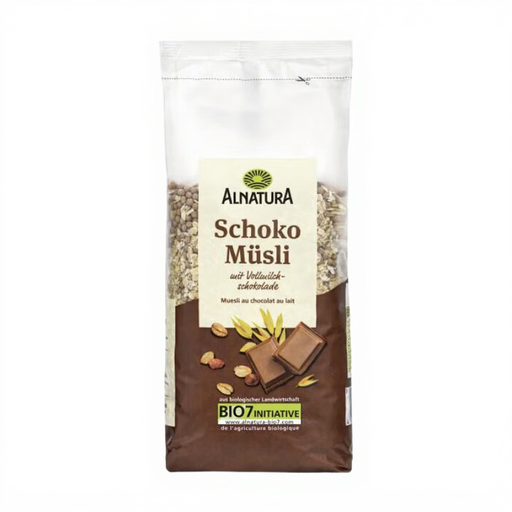 No image available
A chocolate muesli option if you’re looking for a 750 g pack for the family cupboard.
Before choosing, check the fibre and sugar per 100 g, as well as the ingredients and allergen information on the current pack.
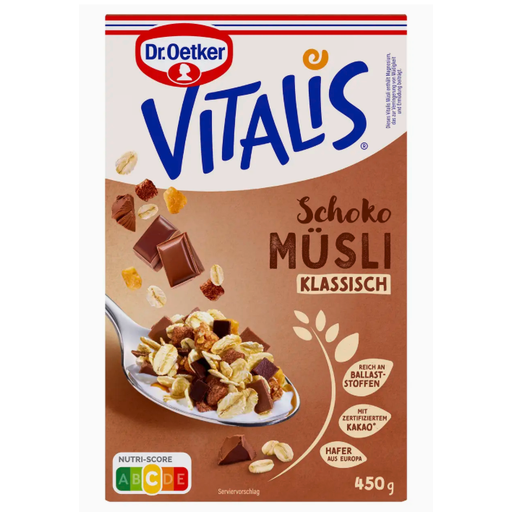 No image available
A chocolate muesli option for households that prefer a 450 g pack.
This is the Classic variety, not the Schokomüsli feinherb described above. Check the nutritional and allergen information for this variety on the pack.
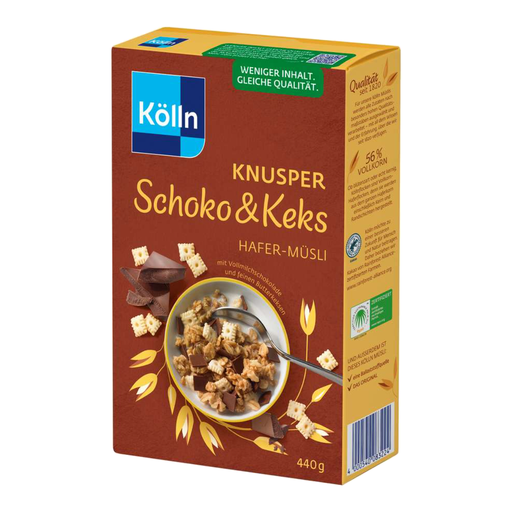 No image available
An oat muesli with chocolate and biscuit, for households looking for this combination.
Check the fibre, sugar and allergen information on the pack. If you have young children, take note of the warning about a possible choking hazard.
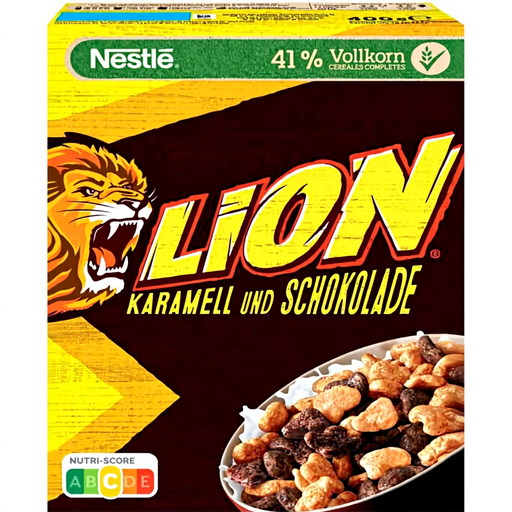 No image available
Chocolate and caramel cereal for households looking for cereal rather than muesli.
Compare the fibre and sugar per 100 g and check the latest allergen information.
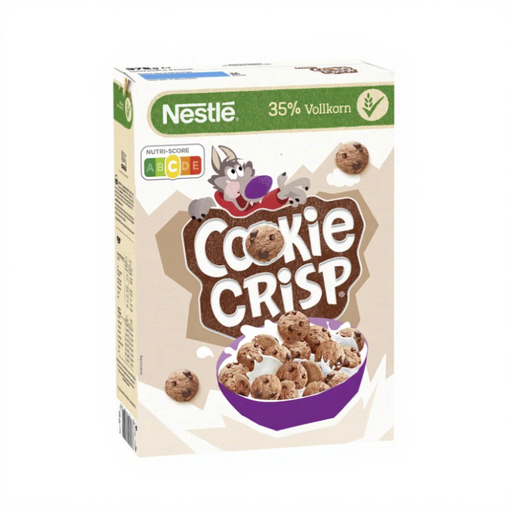 No image available
Chocolate Chip chocolate cereal, if this style suits your family’s breakfast.
Check the fibre and sugar on the pack. If milk or nuts are relevant allergens, check the pack before buying to see whether they are present or listed as possible traces.
Under the EU regulation on nutrition claims, a ‘high fibre’ claim requires at least 6 g of fibre per 100 g or 3 g per 100 kcal. Check the figure and the basis of measurement for the specific variety on the current pack.
No. Wholegrain content describes the ingredients, not the fibre figure. For chocolate muesli with wholegrain oats or wholegrain barley, check the fibre content separately in the nutritional information.
Always check the ingredients list and precautionary allergen information for the specific pack. For the varieties described here, information about wheat or gluten, soya, milk and nuts may be relevant. It varies by product.
Follow the storage instructions on the pack and reseal it after opening. For the Kölln Knusprige Haferfleks Schoko described by EDEKA24, the advice is to store it in a dry place and reseal the bag.