
Lieferung heute & morgen

Qualitätsgarantie

Willkommens-Angebote freischalten: KOSTENLOSE Lieferung | Bis zu 80 % RABATT | Kostenlose 30-Tage-JoyPlus-Testphase
App herunterladen
The selection of cereals on the supermarket shelf can be overwhelming. Colourful packaging promises a healthy start to your day, but often, these are just marketing strategies that promise more than they deliver. As your Joybuy Product Recommendation Officer, I'm here to help you separate fact from fiction and make an informed decision that fits your lifestyle.
Before you buy muesli or choose your next box of cornflakes, you should be aware of two common marketing claims that often lead to poor choices.
To avoid falling into these traps, focus on two objective figures on the back of the package. These will give you a reliable basis for your purchasing decision.
This is the most important metric for objectively comparing the sweetness of breakfast cereals. Don't just look for the word "sugar"; also check for its synonyms in the ingredients list, such as glucose syrup, dextrose, barley malt extract, or honey.
A high whole grain content is directly linked to higher fibre content. Fibre promotes satiety and is a vital part of a balanced diet.
Based on these objective criteria, we have selected a few products from our range that suit different requirements and taste profiles.
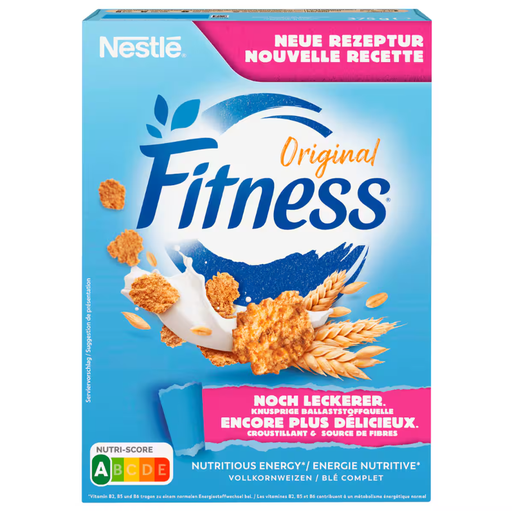
Why This Fits Their Persona: A balanced option for hectic family life. These flakes provide a solid whole grain base, are quick to prepare, and have a neutral flavour that pairs well with fruit or yoghurt.
This product sidesteps the sugar trap with a moderate sugar content of 8.8 g per 100 g. The whole grain content is clearly declared at 58%, not just a vague promise.
High fibre content (10.7 g/100 g) for long-lasting satiety. According to the manufacturer, it also contains added vitamins, calcium, and iron.
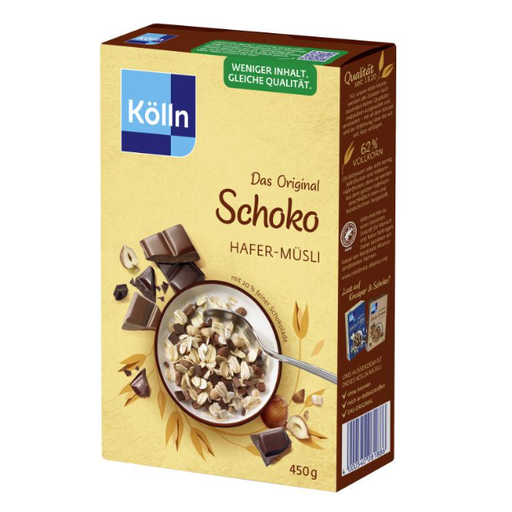
Why This Fits Their Persona: For those who love chocolate cereals but are still mindful of ingredients. This muesli combines the indulgence of dark and milk chocolate with a solid oat base.
Proactively addresses the "less sugar" trap: the manufacturer states it contains 30% less sugar than conventional chocolate mueslis. The sugar content of 18 g per 100 g is transparent and reasonable for a chocolate product.
Very high whole grain content with 67% oats. The cocoa used is Rainforest Alliance certified, according to the manufacturer.

Why This Fits Their Persona: Ideal for anyone who wants maximum control over their ingredients. These cornflakes are a blank canvas, ready to be customised with fruit, nuts, or a sweetener of your choice.
This product avoids the sugar trap entirely, as the ingredient list shows it contains no added sugar. The natural sugar content is just 0.5 g per 100 g.
Certified organic (DE-?KO-001) with a minimalist ingredient list of corn and lecithin. Vegan and lactose-free.
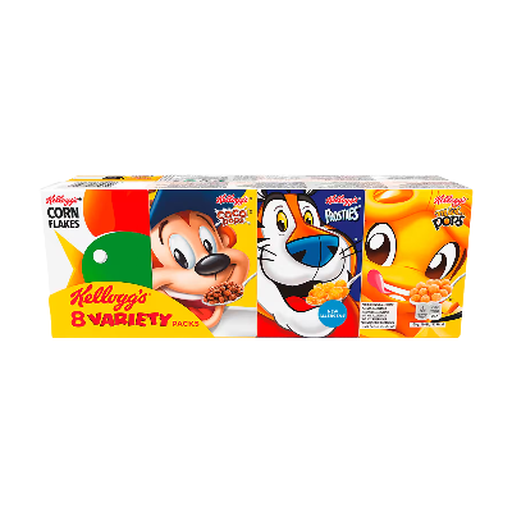
Why This Fits Their Persona: Perfect for households with different tastes or for anyone who loves variety without opening multiple large boxes. Ideal for families with kids who like to choose.
This product offers a practical solution for managing sugar intake: the portion-controlled packs make it easier to manage the consumption of sweeter varieties like Frosties or Choco Krispies.
Offers a selection of five different Kellogg's varieties in a single pack, which preserves freshness and reduces food waste.
We've compiled a complete, up-to-date list of products that fully meet these strict selection criteria.
The most reliable way is to check the ingredients list. Look for "whole grain" (e.g., whole grain oats, whole grain wheat) as the first ingredient and check for a percentage. A high fibre content of over 6 g per 100 g is also a strong indicator of a significant whole grain share.
Not necessarily. While many products marketed specifically as cereals for kids, such as chocolate cereals or colourful rings, have a high sugar content, alternatives do exist. Brands like K?lln or Nestlé also offer versions with reduced sugar. A good strategy is to mix less sweet base cereals (like rolled oats or unsweetened cornflakes) with a small amount of your child's favourite sweeter variety.
The terms are often used interchangeably but refer to different products: