
Lieferung heute & morgen

Qualitätsgarantie

Willkommens-Angebote freischalten: KOSTENLOSE Lieferung | Bis zu 80 % RABATT | Kostenlose 30-Tage-JoyPlus-Testphase
App herunterladen
Electric scissors can make repetitive cutting tasks easier—provided the design matches the intended application. A cordless pruning shear is not automatically suitable for fabric, and an electric hair clipper cannot replace a cutting tool for rigid materials. Before buying, gardeners, DIY enthusiasts, crafters and private users should therefore assess precisely which tasks the device can actually handle.
Descriptions such as “powerful motor” or “professional performance” say little when no specific figures are provided. Relevant factors include cutting capacity in millimetres, motor speed, blade material and the intended material type. An electric garden shear for branches is designed differently from an electric fabric cutter for leather, felt or cardboard.
Some offers include the battery, while others require it to be purchased separately. This is particularly important with a Makita-compatible electric shear: “compatible” should not be confused with “battery included”. The charger, replacement blade, guide combs and cleaning accessories can also affect the practical value of an offer.
A cordless cutter running at high speed can be clearly audible in living areas. Devices with sharp blades should also feature an activation lock, a secure grip and controlled blade locking. The device should not be operated while charging if the product instructions prohibit this. For battery-powered tools, follow the specified charging procedures and storage instructions.
First, define the material you need to cut:
A high speed does not automatically mean that the device is suitable for every material. Always check the manufacturer’s specifications for the intended materials, maximum thickness and permitted operating duration.
When choosing a cordless shear, consider battery voltage, capacity, charging time and whether the battery can be replaced. “Up to” figures describe a maximum value under specific conditions and may decrease when cutting rigid materials, during frequent start-stop operation or with an older battery.
Depending on the model, a USB-C rechargeable cutter can be charged using a power adapter, laptop, power bank or vehicle adapter. Before buying, check whether the package includes only a cable or also a charger. For devices with a separate battery, the actual total price of the tool, battery and charger must also be taken into account.
During extended cutting tasks, weight and grip design have a direct impact on handling. As a specific reference value, the Drillpro models are listed with a weight of 0.88 kg and vibration of no more than 2.5 m²/s. These are product specifications, not a general guarantee of fatigue-free operation.
For use in a home, studio or office, the noise level can be decisive. The GARTOL model is listed with a noise level below 70 dB. This figure should be assessed in relation to distance, material and working environment. A quiet hair clipper, by contrast, is generally designed with a different motor and blade configuration than a cordless cutter for leather or cardboard.
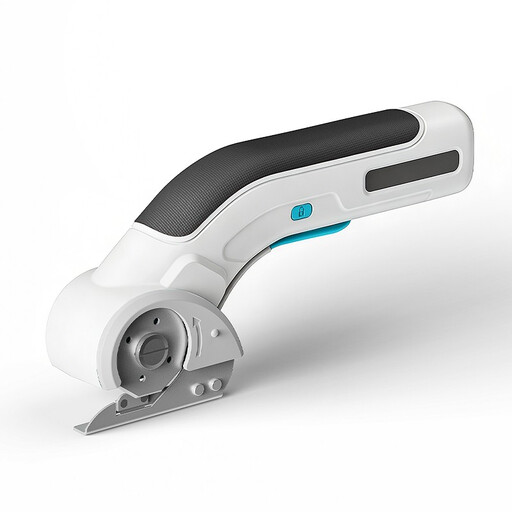
Why This Fits Their Persona: For occasional crafting, sewing and DIY projects involving felt, carpet, leather, plastic or cardboard, this compact device offers a clearly defined range of applications.
The product description specifies 4.2 V, USB-C charging, up to two hours of runtime and an integrated blade lock. A replacement blade is explicitly not included.
Weight of 0.39 kg, tool-free blade replacement and a stated noise level below 70 dB.
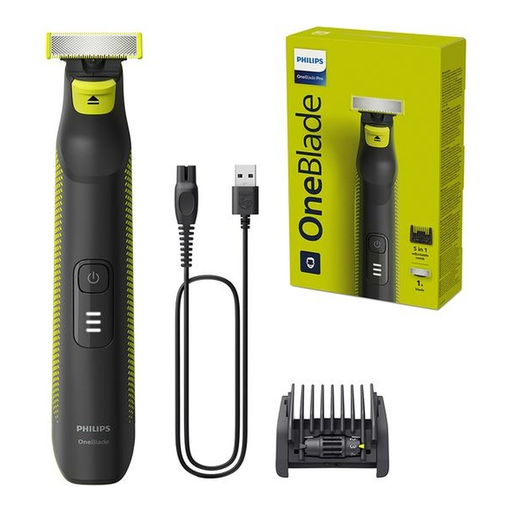
Why This Fits Their Persona: Designed for regular hair and beard grooming at home, this cordless model is suitable for body hair and offers adjustable cutting lengths.
The description lists up to 60 minutes of battery runtime, adjustable lengths, a detachable head and a cleaning brush.
Stainless-steel blades, cordless operation and a motor described as quiet-running in the product listing.
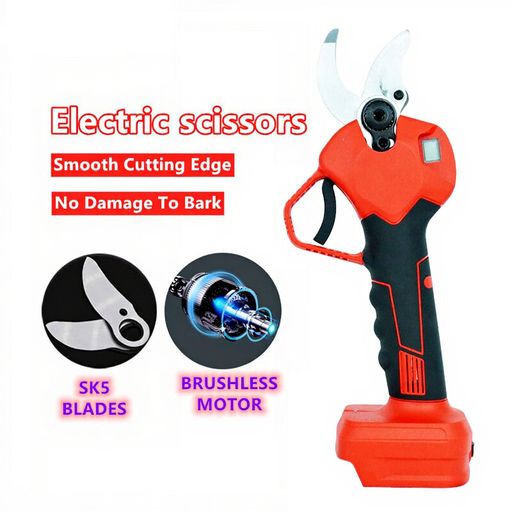
Why This Fits Their Persona: According to the description, this rechargeable cutting tool is intended for garden tasks involving twigs, stems and small branches.
The stated applications include pruning and harvesting. Nevertheless, check the actual permitted branch diameter with the seller before buying.
Cordless, rechargeable operation and a low weight described in the product listing as suitable for extended garden work.
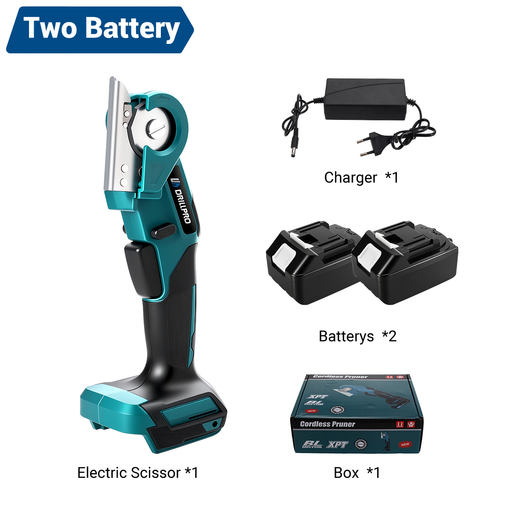
Why This Fits Their Persona: For users who regularly need to cut materials up to a stated thickness of 6 mm, the technical specifications matter more than broad marketing claims.
Unlike a model supplied without a battery, the product description states that this package includes two 2.5 Ah batteries and an EU-plug charger. Compatibility should still be verified before use.
80 W motor, 300 rpm, stated cutting capacity of 6 mm and a weight of 0.88 kg.
We have put together an up-to-date selection of cutting tools that can be filtered according to clear technical criteria and relevant safety information.
Before first use, check the instructions, included accessories and charge level. With a sharp blade, keep your hands away from the cutting area; depending on the material, safety glasses and suitable gloves may be advisable. Remove fibres, resin and residue from the blades. For hair clippers, clean the head and comb after use.
According to the product information, a USB hair clipper such as the Komingdon VS-1 must not be used while charging and must not be immersed in water. The blade should be cleaned and oiled. When comparing beard and hair trimmers, check the guide comb, cutting lengths and cleaning requirements before buying. The WOOX MX0214 specifies USB-C charging in 70 minutes, a 600 mAh battery, an LED display and cutting lengths of 1.5, 3.0 and 4.5 mm.
Runtime depends on the battery, material, motor load and battery age. Product claims such as “up to two hours” or “up to 60 minutes” are indicative values. For longer tasks, a second battery or a model with a replaceable battery system is recommended.
No. An electric garden shear, electric fabric cutter and cordless workshop cutting tool use different blades and offer different performance levels. The decisive factors are the materials specified by the seller and the maximum material thickness.
The electricity required for individual charging cycles is usually minimal. However, ongoing costs may also include replacement blades, oil, additional batteries and chargers. Do not assess only the device price; check the complete package contents and the availability of replacement parts as well.