
Lieferung heute & morgen

Qualitätsgarantie

Willkommens-Angebote freischalten: KOSTENLOSE Lieferung | Bis zu 80 % RABATT | Kostenlose 30-Tage-JoyPlus-Testphase
App herunterladen
A clear, refined complexion is the goal of any well-designed skincare routine. An exfoliating cleanser can be a cornerstone of that regimen, helping to remove dead skin cells, deep-cleanse pores, and reveal a fresh, radiant glow. However, the market is saturated with products whose promises often outweigh their performance. Many users invest in products that are either too harsh for their skin or simply fail to deliver the desired results.
This guide will help you navigate the most common pitfalls and make an informed decision. We focus on the objective criteria that truly matter, so you can find a product that perfectly matches your skin's needs.
Before choosing a product, it's helpful to recognise the typical marketing traps that often lead to disappointment.
To make the right choice, you should focus on two fundamental characteristics: the type of exfoliant and its active ingredients.
The basic distinction lies in the method used to remove dead skin cells.
The effectiveness of an exfoliating cleanser depends directly on its ingredients. Make sure they are appropriate for your skin concern.
Based on the criteria above, we have identified several products that are well-suited for specific skin needs and user profiles.
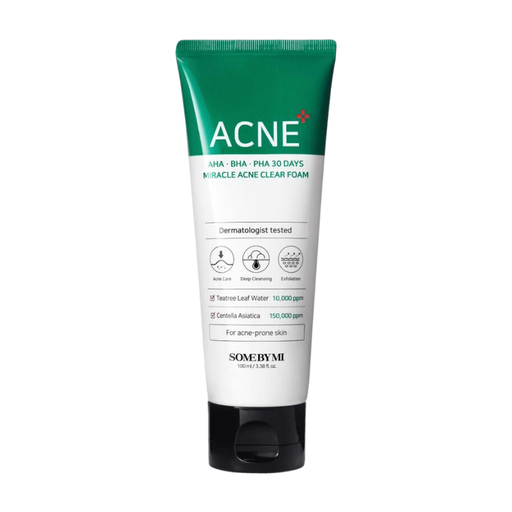
Why This Fits Their Persona: This cleanser is specifically designed for those seeking an effective solution for blemishes and clogged pores. It offers a comprehensive approach to a common skincare concern.
It avoids the 'ineffective' trap with a potent formula containing 5,000 ppm of Salicylic Acid (BHA), supplemented by AHA and PHA. This combination ensures a deep-cleansing action rather than just a superficial wash.
The combination of AHA, BHA, and PHA provides multi-level exfoliation. According to the manufacturer, its Truecica complex with Centella Asiatica helps to soothe the skin.
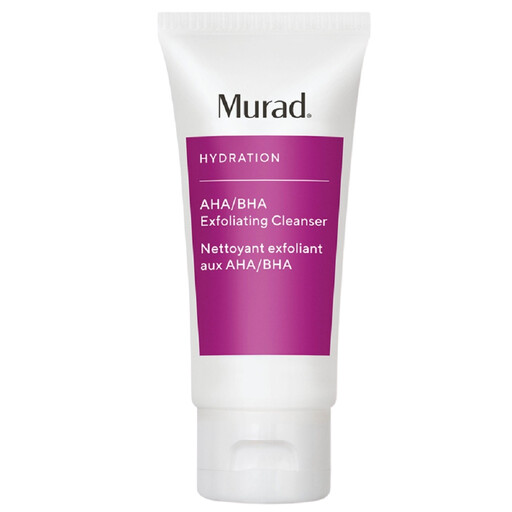
Why This Fits Their Persona: Ideal for users who want visible results for rough texture and an uneven complexion, and are willing to invest in an advanced formula.
This product avoids the harsh scrub trap by using gentle, spherical Jojoba beads. These polish the skin without causing micro-tears, unlike sharp-edged particles.
The formula combines chemical exfoliants (Salicylic, Lactic, and Glycolic Acids) with a mechanical scrubbing action. This provides an intensive polishing effect to smooth the skin's surface.
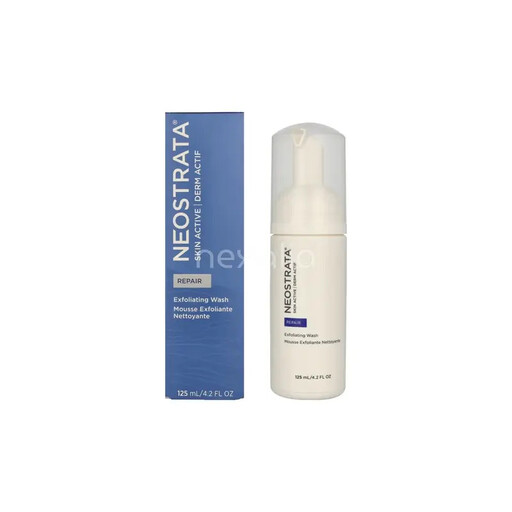
Why This Fits Their Persona: For individuals seeking effective yet gentle exfoliation who are concerned about irritation from stronger acids. Its soap-free formula is designed for daily use.
It solves the problem of over-exfoliation by relying on Polyhydroxy Acids (PHAs). Known for their gentle action, they offer an effective alternative to traditional AHAs without sacrificing performance.
The soap-free and fragrance-free formula with Gluconolactone and Maltobionic Acid (PHAs) gently exfoliates and is suitable for all skin types, including sensitive skin. A botanical complex provides additional soothing benefits.
We've compiled a complete, up-to-date list of products that fully meet these strict selection criteria and comply with current regulations.
The frequency of use depends heavily on the product and your skin type. Very gentle cleansers, such as those with PHAs or in powder form, can be used daily if well-tolerated. Products with higher concentrations of AHAs, BHAs, or mechanical exfoliants should be used one to three times per week. Always follow the manufacturer's recommendation on the packaging and monitor your skin's reaction.
Yes, but choosing the right product is critical. Specifically look for formulations with Polyhydroxy Acids (PHAs) like Gluconolactone or enzyme peels. These are considered particularly gentle. Avoid highly concentrated fruit acid peels and mechanical scrubs with coarse particles. A patch test, for example on the inside of your arm or behind your ear, is advisable before the first application on your face.
Yes, absolutely. Acids like AHA and BHA remove the top layer of dead skin cells, making the underlying skin more sensitive to UV radiation. Daily use of a broad-spectrum sunscreen with a high SPF (SPF 30 or higher) is therefore essential to protect the skin and prevent pigmentation.