
Lieferung heute & morgen

Qualitätsgarantie

Willkommens-Angebote freischalten: KOSTENLOSE Lieferung | Bis zu 80 % RABATT | Kostenlose 30-Tage-JoyPlus-Testphase
App herunterladen
Sensitive facial skin doesn’t always react in the same way. For some people, tightness and dry patches are the main concerns; for others, it’s redness, shiny areas or occasional breakouts. That’s why a face cream for sensitive skin shouldn’t be chosen based on marketing claims like “soothing” or “repair” alone. What really matters is the full INCI list, the texture, and how you’ll use it day to day.
Plant extracts can be a useful part of a formulation. At the same time, essential oils, fragrances or a high number of different extracts may be problematic for some individuals. So checking the ingredients list is more important than reading the front of the pack. If you’re looking for a minimalist formula, look for labels such as parfum-free, “unscented” and a short, simple formulation.
A cream designed for dry skin often contains oils, waxes or rich lipids. That can feel lovely on dry cheeks, but may leave a film on an oily T-zone. For acne-prone skin or combination skin, a lightweight gel-cream is often more practical. The term “non-comedogenic face cream” is helpful, but it doesn’t replace observing how your own skin reacts.
Ceramides, panthenol, centella, hyaluronic acid and squalane all perform different roles in cosmetic formulations. Just because they’re listed doesn’t guarantee a specific effect. What’s more, formulas can change. So before you buy, always check the current ingredients list on the product packaging. If you experience persistent redness, stinging, itching or inflammatory changes, it’s worth seeing a dermatologist.
Ceramides and cholesterol are components found in many barrier creams. Panthenol is often used in hydrating and nourishing formulas. Centella asiatica and heartleaf extract are especially common in Korean skincare for sensitive skin. Hyaluronic acid can bind water in the formula and is used in different molecular forms.
The whole formulation matters: a ceramide cream can be rich or light, while a panthenol cream may also contain oils, silicones or fragrances. If you’re sensitive, introduce new products gradually and test on a small area of skin first.
Jars, tubes and pump dispensers differ in how they handle and how much contact they have with the environment. For daily morning and evening use, the product size also matters: 40 to 50 ml is typical for a classic face care routine, while larger packs can be more economical if you use a lot or want to use it on both face and body.
During the day, you may need to combine your moisturiser with a suitable sunscreen. Introducing several new products at once makes it harder to pinpoint the cause if irritation occurs.
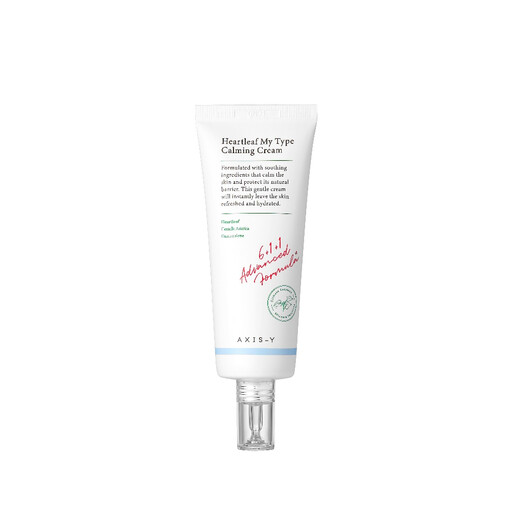
Why this product fits the profile: This lightweight gel-cream with heartleaf, centella and hyaluronic acid is suitable for anyone looking for a non-greasy care option for sensitive or blemish-prone skin.
The water-based texture is designed for a light skin feel and, according to the product description, leaves no heavy or greasy film.
60 ml content, gel-cream texture, and certified vegan and cruelty-free according to the supplier.

Why this product fits the profile: This cream is aimed at those who prefer a richer formula with ceramides and multiple forms of hyaluronic acid.
The ingredients list includes ceramides NP, AP, AS, NG, NS and EOP, plus various hyaluronic acid derivatives, rather than relying on just one active ingredient name.
50 ml content, silky finish, and a formula explicitly designed for barrier care.
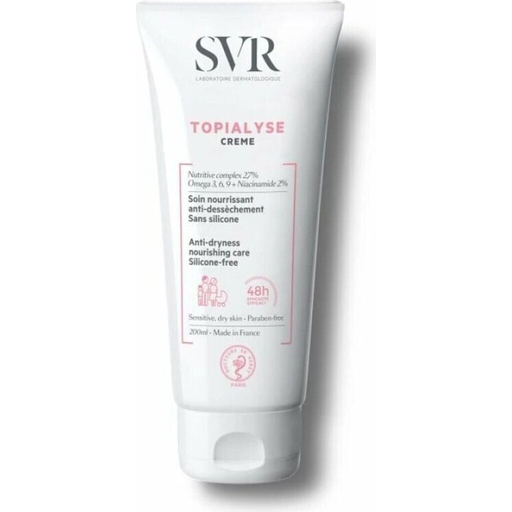
Why this product fits the profile: This 200 ml cream is designed for both face and body, making it a practical choice for households with regular skincare needs.
The large pack size and clear instructions for use on healthy skin make daily care easy to plan. Note that it contains fragrance.
200 ml content, and dermatologically and paediatrically tested according to the supplier.
We’ve put together a full, regularly updated list of products that meet these strict selection criteria and comply fully with EU safety regulations.
When trying a new moisturiser for sensitive skin, start by applying a small amount to clean skin. For very dry areas, a second thin layer may help, while oily skin will need less. Do not apply products to broken, injured or severely irritated skin if the packaging advises against it.
If you experience stinging, itching, a rash or increasing redness, stop using the product. The information on the packaging regarding shelf life, batch number, storage and ingredients always takes priority over older online product details.
A cream with glycerin, ceramides, panthenol or squalane can be a good starting point. For dry skin, a richer texture is usually more comfortable; for combination skin, a lightweight barrier cream may work better. If you know you’re sensitive, check fragrances and essential oils particularly carefully.
That depends on the overall formulation and your individual tolerance. Lightweight products labelled as non-comedogenic can be an option. Rich oils or butters aren’t problematic for everyone, but they can feel too heavy for some skin types. It’s wise to introduce them gradually.
The open-jar symbol, the best-before date and the storage instructions on the packaging are what you should follow. Heat, direct sunlight and frequent contact can affect product quality. If the smell, colour or consistency changes, stop using the cream.