
Lieferung heute & morgen

Qualitätsgarantie

Willkommens-Angebote freischalten: KOSTENLOSE Lieferung | Bis zu 80 % RABATT | Kostenlose 30-Tage-JoyPlus-Testphase
App herunterladen
A facial cleansing oil can dissolve make-up, sunscreen and excess sebum without the need for harsh scrubbing. However, not every facial cleansing oil suits every skin type. Marketing terms like “pore cleansing”, “deep cleansing” or “for all skin types” alone tell you little about how the product actually performs.
If you’re looking to buy a cleansing oil, there are three common pitfalls to avoid:
A good cleansing oil should turn into a milky emulsion when mixed with water. Emulsifiers such as Sorbeth-30 Tetraoleate or PEG-20 Glyceryl Triisostearate are often included in the formula. Quick emulsification makes rinsing easier and reduces oily residue.
For application: apply the oil to dry hands and dry skin, gently massage in your make-up and sunscreen, then add a little water to emulsify and rinse off with lukewarm water. Using too much product or massaging for too long won’t automatically improve the cleansing performance.
For oily skin or a tendency towards clogged pores, lighter textures and thorough emulsification are often more comfortable. Ingredients like sunflower oil, jojoba oil or certain plant oils can provide a less heavy feel. A non-comedogenic claim can be a useful selection criterion for blemish-prone skin, but it’s not a personal guarantee of tolerance.
For sensitive skin, it’s wise to check for perfume, essential oils and any declared fragrance allergens. For dry skin, a low-residue formula that isn’t overly stripping can be a good choice. If you have known sensitivities, do a patch test according to the manufacturer’s instructions before your first full application.
Sizes range from 20 ml to 240 ml. A small bottle is ideal for trying a product or for travel, while 150 ml to 240 ml is more practical for a daily evening routine. If you regularly remove waterproof make-up, also look for a clear application recommendation and suitability for the eye area.
Double cleansing typically means: first, the oil dissolves oil-based residue like sunscreen and make-up, then a water-based cleanser removes any remaining traces. This is a routine option, but not a must for every skin type or every occasion.
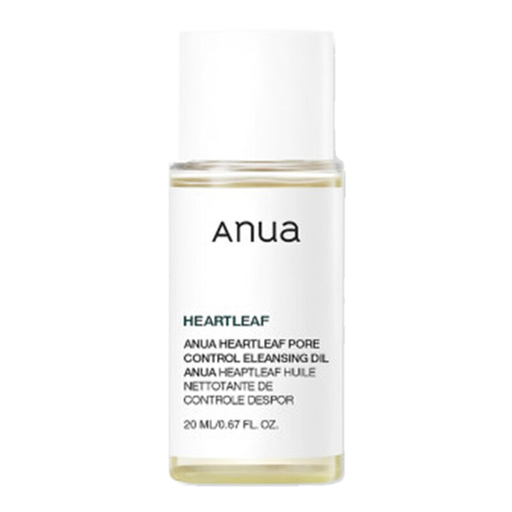
Why this product fits the profile: The 20 ml size offers a manageable introduction to oil cleansing and is also handy for travel or trying it out.
The small amount prevents you from buying a large bottle before checking the texture and tolerance. Emulsification with water is indicated in the product description.
20 ml content, light oil texture and heartleaf extract according to product details. Discontinue use if irritation occurs.
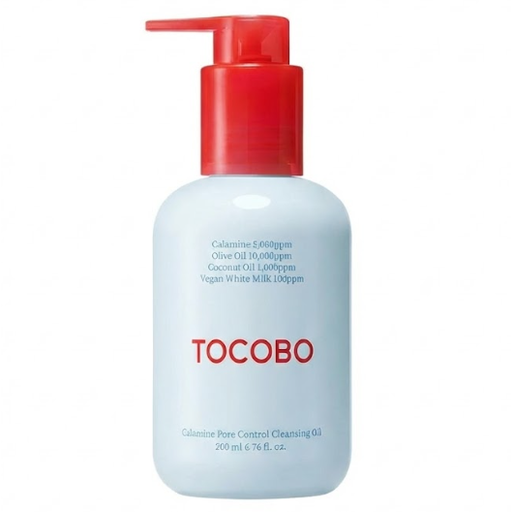
Why this product fits the profile: The 200 ml bottle is designed for regular evening routines and combines a light texture with calamine and plant oil ingredients.
The product description explicitly mentions emulsification with water. This lets you check whether the oil rinses off without leaving residue in your routine.
200 ml content, calamine plus olive and coconut oil according to product details; suitable for all skin types, with a particular focus on oily and sensitive skin.
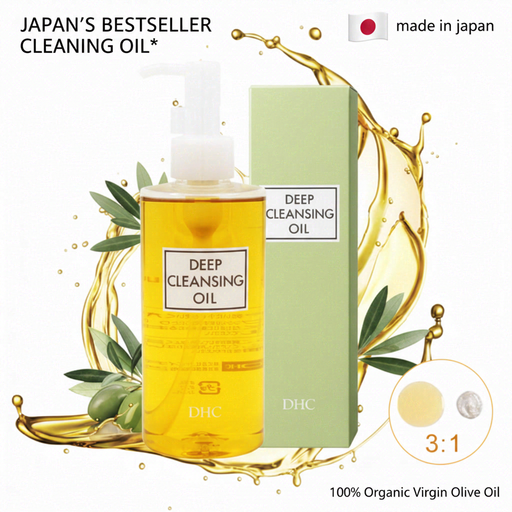
Why this product fits the profile: The Japanese formulation is designed for those who regularly remove sunscreen or waterproof make-up.
The instructions describe a short massage, followed by emulsification and thorough rinsing. This limits unnecessary rubbing when removing make-up.
200 ml content, olive oil, vitamin E and rosemary oil according to INCI details; intended for waterproof make-up and sunscreen.
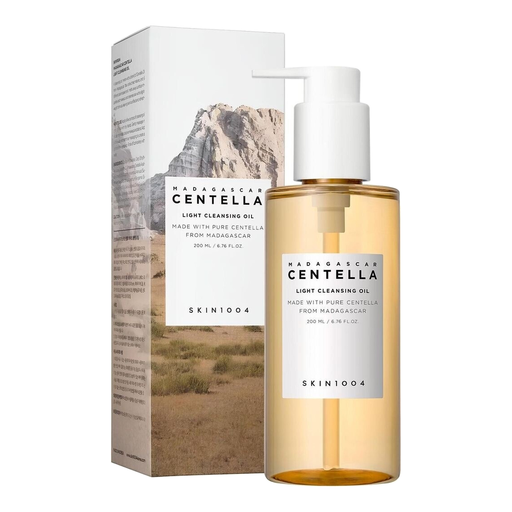
Why this product fits the profile: The texture, described as light, and the centella asiatica component appeal to those looking for a less heavy oil for daily cleansing.
The INCI list should still be checked despite the plant-based focus, as bergamot, geranium and rose oils are listed among the ingredients. This prevents an unsuitable choice if you are sensitive to fragrance.
200 ml content, centella asiatica extract plus sunflower, olive and jojoba oil according to product details; emulsifies with water.
We’ve put together a full, regularly updated list of products that meet these strict selection criteria and comply with EU safety regulations.
Avoid rubbing too hard around the eyes. If you experience stinging, redness, itching or persistent irritation, stop using the product and seek dermatological advice if needed. Do not apply cosmetics to broken or inflamed skin.
Yes, an oil cleanser for the face can be used on oily or blemish-prone skin. However, suitability depends on the texture, emulsification and your individual tolerance. Thorough cleansing does not replace dermatological treatment.
Not necessarily. If you’re wearing a lot of sunscreen, make-up or feel an oily residue, double cleansing can be beneficial. What matters is whether the product rinses off completely and leaves your skin feeling comfortable.
The best-before date, the jar-open symbol and the information on the packaging are what you should follow. Store the bottle tightly sealed, in a dry place away from direct sunlight and heat. Changes in smell, colour or texture are signs that the product should no longer be used.