
Lieferung heute & morgen

Qualitätsgarantie

Willkommens-Angebote freischalten: KOSTENLOSE Lieferung | Bis zu 80 % RABATT | Kostenlose 30-Tage-JoyPlus-Testphase
App herunterladen
A facial sunscreen with SPF 50 should provide reliable protection, feel comfortable on your skin and fit easily into your daily skincare routine. But eye-catching marketing claims don’t always help you make the right choice. What matters is the protection rating, texture, ingredients and how well the product works in everyday use.
The SPF rating mainly describes protection against UVB rays, which can cause sunburn. UVA protection is also important for everyday facial sun protection. Ratings such as PA++++ come from an Asian rating system and indicate a stated level of UVA protection. For products sold in Germany, you should also check that the packaging complies with EU cosmetics requirements and look for the UVA symbol.
A lightweight sunscreen may spread comfortably, but it can still contain alcohol, fragrance or certain UV filters that may not suit sensitive skin. On the other hand, a richer, moisturising sunscreen may be a better choice for dry skin. That’s why the full INCI list on the packaging matters more than terms such as “gentle”, “clean” or “natural”.
If you apply only a thin layer, you won’t get the level of protection stated on the product. The two-finger rule is often used as a practical guide for the face and neck. The exact amount may vary by product. Reapply after sweating, swimming or towel-drying, and during longer periods outdoors.
For daily use on your face, SPF 50 or SPF 50+ is a sensible choice, especially if you spend longer periods outdoors, have fair skin or are exposed to high levels of UV. Check whether the product is specifically intended for the face and neck. A body sunscreen may also be suitable, but it isn’t always formulated for facial skin or designed to wear under make-up.
If you’re looking for a non-greasy sunscreen, look for terms such as “fluid”, “watery gel”, “milky” or “ultra-light”. Glycerin, panthenol, aloe or hyaluronic acid can add hydration, which may suit dry skin. For oily or blemish-prone skin, a matte finish and a non-comedogenic sunscreen label may help guide your choice. However, this doesn’t guarantee that you won’t experience a skin reaction.
If your skin is sensitive or prone to redness, pay particular attention to fragrance, alcohol and any ingredients you know you don’t tolerate. Try a new product on a small area of skin first, and don’t apply it to broken or irritated skin.
A sunscreen that doesn’t leave a white cast is easier to use across different skin tones and under make-up. Clear or lightly tinted textures may be more practical. Tone-up products, however, are designed to visibly brighten or change the appearance of your skin tone. That may appeal to some people, but it won’t suit every skin tone or make-up style.
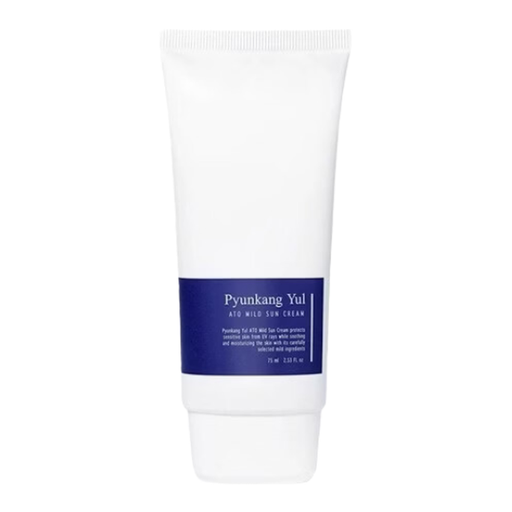
Why this product suits this profile: The product description highlights a lightweight, non-greasy texture for sensitive or dry skin, including skin prone to atopic conditions. SPF 50 and PA++++ provide the stated protection ratings.
Its clear focus on sensitive and dry skin makes it easier to choose than an all-purpose body sunscreen. The product information also describes a finish that doesn’t leave a heavy white cast.
75 ml, SPF 50, PA++++ and a texture described as lightweight for everyday use.
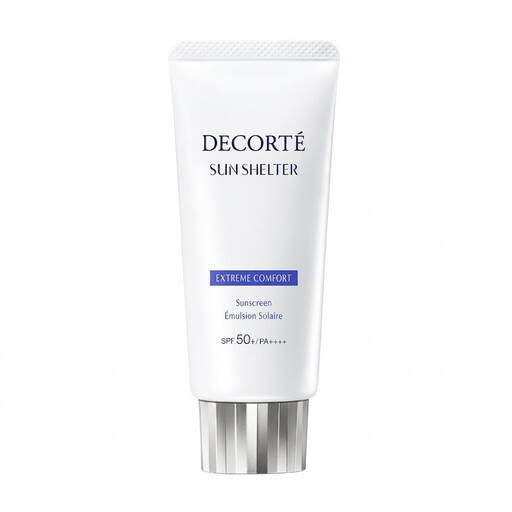
Why this product suits this profile: This sunscreen combines SPF50+ and PA++++ with a fluid texture for the face and neck. Its listed INCI ingredients include glycerin, various humectants and plant extracts.
Specific filter and protection details are more informative than a general claim such as “broad-spectrum protection”. Check the current packaging before use.
SPF50+, PA++++, 56 ml and a formula containing stated humectants.
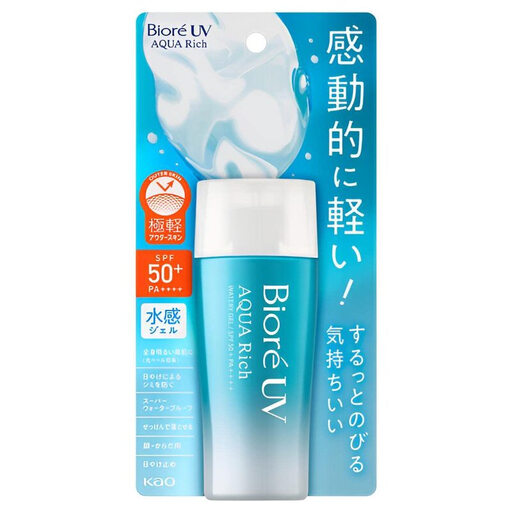
Why this product suits this profile: According to the product information, its watery gel texture is suitable for the face and body. It is described as quick to absorb, non-greasy and fragrance-free.
The face-and-body formula and 70 ml size can be handy if you reapply regularly. The product description doesn’t mention a heavy white cast.
SPF50+, PA++++, 70 ml, a watery gel texture and a formula described as fragrance-free.
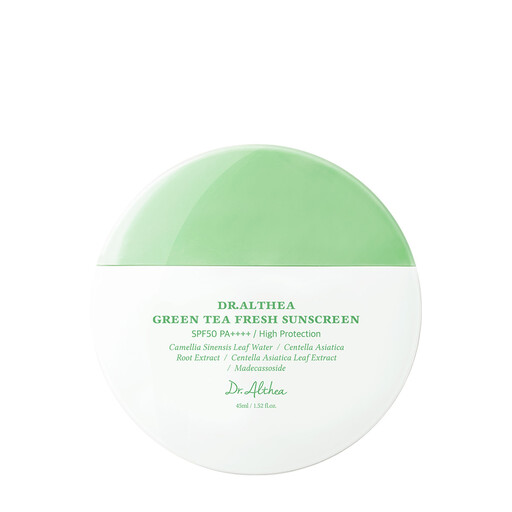
Why this product suits this profile: The product information describes a lightweight, non-sticky texture, a finish with no white cast and a non-comedogenic formula. This may make it a good option if you have combination skin or prefer sunscreen that feels barely there.
The “non-comedogenic” claim is supported by specific product information. However, it doesn’t replace an individual patch test, especially if your skin is sensitive or irritated.
SPF 50, PA++++, 45 ml, green tea in the INCI list and a texture described as non-greasy.
We’ve put together a complete, regularly updated list of products that meet these strict selection criteria and fully comply with the safety regulations in force in the EU.
Apply facial sunscreen as the last step in your morning skincare routine. If you’re trying a new product, it’s best to test it on a small area of skin first. Avoid direct contact with your eyes, and don’t use sunscreen on broken or acutely irritated skin. Stop using it if you experience stinging, redness or itching.
Store sunscreen in a cool, dry place, away from direct sunlight. You’ll find the expiry date, batch number and period-after-opening symbol on the packaging. The level of protection can’t be judged by the purchase date alone.
As a practical guide, use about two finger-lengths for your face and neck. Make sure you spread it evenly. Reapply regularly during prolonged sun exposure, particularly after sweating, swimming or towel-drying.
Yes. Many lightweight fluids, gel textures and quick-absorbing lotions work well under make-up. Give the sunscreen a moment to settle on your skin before applying make-up. Whether it pills or looks shiny depends on how your skincare, sunscreen and make-up work together.
You can use SPF 50 even if you have oily or blemish-prone skin. Look for a lightweight texture, a mattifying finish and, if applicable, a non-comedogenic label. However, this doesn’t guarantee that the product will suit your skin.