
Lieferung heute & morgen

Qualitätsgarantie

Willkommens-Angebote freischalten: KOSTENLOSE Lieferung | Bis zu 80 % RABATT | Kostenlose 30-Tage-JoyPlus-Testphase
App herunterladen
Felt-tip pens are a staple in many homes, schools and offices. But the nib, ink, washability and ease of use can vary considerably depending on what you need them for. A colourful pen set won’t automatically suit every task: taking fine notes calls for different features from colouring large areas, bullet journalling or lettering.
A large choice of colours may look appealing, but it tells you little about how practical the pens will be for everyday use. For technical sketches, small labels or fineliner-style work, a fine nib of around 0.3 to 0.5 mm is a good choice. Thicker fibre tips, chisel tips or flexible brush pens are better suited to headings, larger areas and colourful accents.
According to product descriptions, washable felt-tip pens are often easier to remove from skin and many fabrics. However, this isn’t a guarantee for every surface or stain. Treat ink as soon as possible with water and soap. If using the pens on clothes, furniture or delicate paper, test them on an inconspicuous area first.
Water-based ink is suitable for many paper projects, but it can show through thin paper or roughen its surface. Fast-drying gel pens and markers can also transfer to the other side if you press hard. Before buying, consider whether you’ll use the pens in school exercise books, on index cards, sketch paper, film or for creative projects.
The nib determines how versatile a pen is:
A specific line-width measurement, such as 0.3 mm, 0.5 mm or 1–5 mm, is more useful than general claims such as “precise” or “versatile”.
Water-based ink is often suitable for paper, but it can run if it gets wet. For example, a Pitt Artist Pen is described as having water-based, non-water-resistant ink. If you’re using pens for drawing, hand lettering or illustration, check whether you’re happy for the ink to smudge if it gets wet.
For highlighters, an even flow of colour is important. A large ink reservoir can extend the pen’s working life, while a nib that is drying out can leave uneven marks. Film, glass and plastic require specialist markers. According to its product description, a non-permanent Lumocolor marker is designed for these smooth surfaces and can be removed with a damp cloth.
A non-slip grip and a comfortable barrel shape matter during longer writing or colouring sessions. Triangular pens can help you maintain a controlled grip, while broad, round barrels often feel comfortable in smaller hands. A secure cap helps prevent the ink from drying out. Some models have DRY-SAFE properties or a pressure-equalising system for air travel. Always check these claims against the specific product description.
For children aged 3 and over, also check the age recommendation, small parts and pen caps. Ink marketed as non-toxic or washable is still not suitable for consumption.
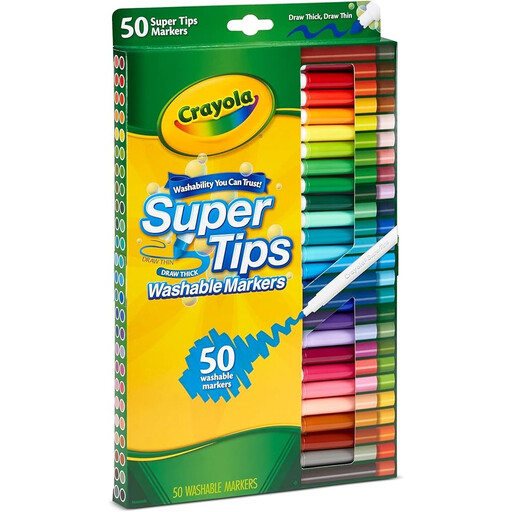
Why it suits this profile: This set offers 50 colours for colouring, writing and drawing. According to the product details, it’s intended for children aged 3 and over as well as adults.
The washable, water-based ink helps address the risk of stains in family life. Even so, clean fabrics and surfaces as soon as possible.
50 colours, a durable fibre tip, and suitable for colouring, writing and drawing.
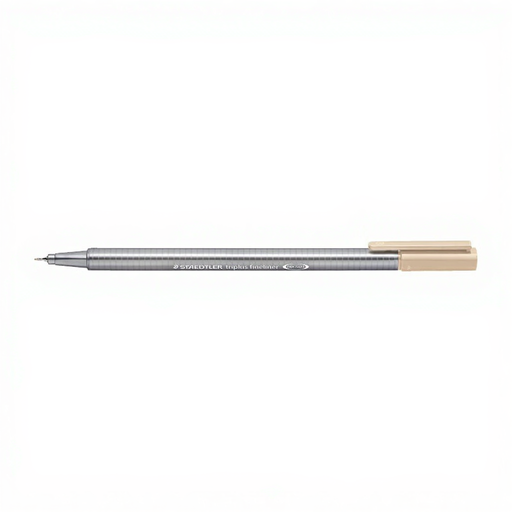
Why it suits this profile: The 0.30 mm tip, triangular barrel and water-based ink make this pen a good fit for bullet journalling, fine notes and detailed drawings.
The specified line width helps you avoid mistaking a vague marketing claim such as “fine” for a tip that is actually quite broad.
0.30 mm fibre tip, ergonomic triangular barrel and DRY-SAFE claim in accordance with ISO 554.
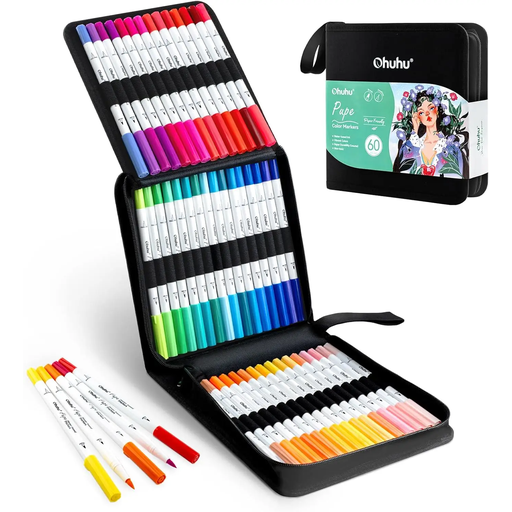
Why it suits this profile: The combination of a 0.4 mm fineliner and a 1–5 mm brush pen covers lettering, journalling, shading and illustration.
The two clearly specified tips show what the pens can do, rather than relying on a high colour count as the main selling point.
59 colours plus a colourless blender, water-based ink and a storage case.
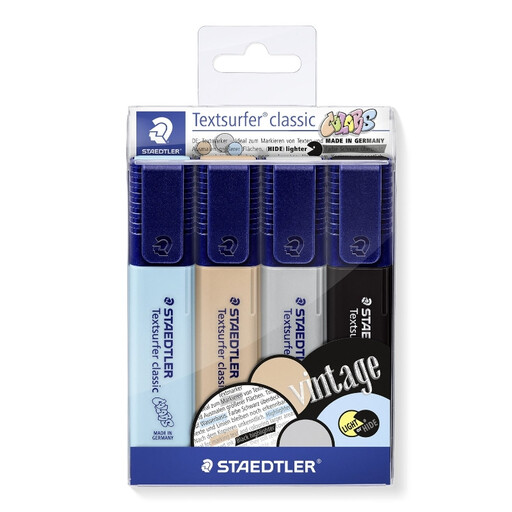
Why it suits this profile: The chisel tip, at around 1–5 mm, is ideal for underlining and highlighting larger areas of text on paper.
The stated tip width shows that this highlighter is designed for both narrow underlining and broader highlighting.
Water-based ink, a large ink reservoir and automatic pressure equalisation, according to the product description.
We’ve put together a complete, regularly updated list of products that meet these strict selection criteria and fully comply with the safety regulations in force in the EU.
For children, age-appropriate, water-based felt-tip pens labelled as washable are a practical choice. Products with small parts and removable caps should not be used by children under 3. Adult supervision is also advisable, even when using suitable pens.
How long they last depends on the amount of ink, how often they’re used, the tip and the cap. Replace the cap firmly as soon as you’ve finished using a pen. Some DRY-SAFE models can be left uncapped for longer, according to the product details, but this doesn’t replace proper storage. Many water-based pens are best stored horizontally.
Felt-tip pens are generally designed for writing, colouring and drawing on paper. Depending on the type of ink, markers may also be designed for use on film, glass or plastic. Highlighters often have a chisel tip and bright, translucent ink for highlighting. For specialist uses, check the surface, line width and water resistance rather than relying on the product name alone.