
Lieferung heute & morgen

Qualitätsgarantie

Willkommens-Angebote freischalten: KOSTENLOSE Lieferung | Bis zu 80 % RABATT | Kostenlose 30-Tage-JoyPlus-Testphase
App herunterladen
A well-organised kitchen starts with the right storage solutions. But the market for food storage containers is confusing, and many products don't live up to their promises. As your Joybuy Product Recommendation Officer, I'll filter the facts from the marketing hype to ensure your next investment in order and freshness is a lasting one.
Many of us have been there: the lunch box advertised as "leak-proof" leaves an unpleasant surprise in your bag, or the new container is permanently stained after its first encounter with tomato sauce. These annoyances are often due to specific design and material weaknesses that you can spot before you buy.
The 3 Most Common Pitfalls When Buying Food Storage Containers:
To avoid these problems, you should focus on three core features that define a high-quality food storage container.
The BPA-free label is an important standard today. It means the plastic was made without the chemical Bisphenol A, which is suspected of being harmful to health. However, you should also pay attention to the type of plastic:
A truly tight seal isn't achieved by the lid alone, but by the interplay of the lid, gasket, and locking system. A four-sided locking system, like the one found on many LocknLock products, presses the lid evenly onto a silicone gasket. This design ensures the container remains truly leak-proof, even when transporting soups or sauces.
Good meal prep containers or pantry organisers need to be practical. A modular, rectangular design allows containers to be stacked seamlessly and stably, saving space and creating order. Also, always check the symbols on the bottom of the product: Is the container suitable for the freezer, microwave (usually without the lid), and dishwasher? This determines its flexibility for daily use.
Based on these objective criteria, we have identified several products that offer a well-designed solution for specific use cases.
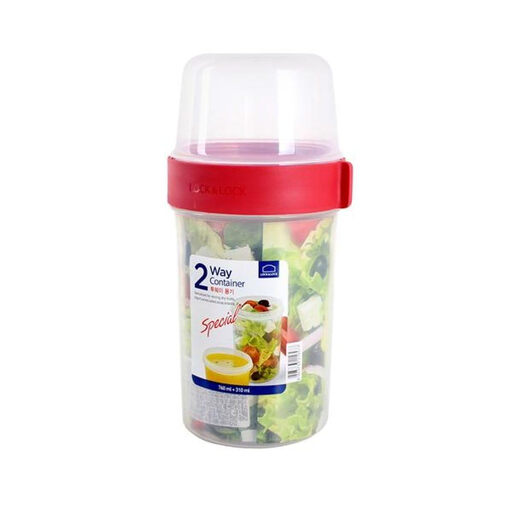
Why This Fits Their Persona: Ideal for professionals or students who want to transport yogurt and granola, or veggies and dip, separately. This on-the-go yogurt cup keeps ingredients fresh and crisp until you're ready to eat.
The screw-top lid with an integrated divider is specifically designed for transport, offering a reliable seal that simple snap-on lids can't match.
Two separate compartments in one compact design. Microwave-safe (without lid) and dishwasher-safe for easy handling.
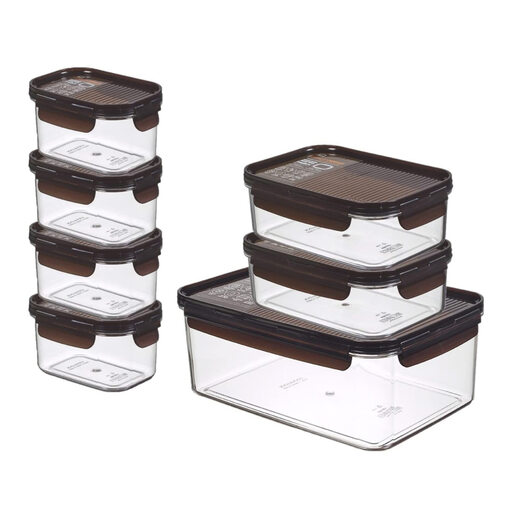
Why This Fits Their Persona: Perfect for anyone who prepares their meals for the week. This food storage container set offers various sizes for main courses, sides, and snacks, and can be organised in the fridge to save space.
The Tritan material is extremely resistant to staining and breakage. It bypasses the trap of rapid material fatigue, remaining clear and presentable even after frequent use.
Comprehensive set with 7 containers in 3 sizes. The patented silicone safety lock ensures an airtight and watertight seal.
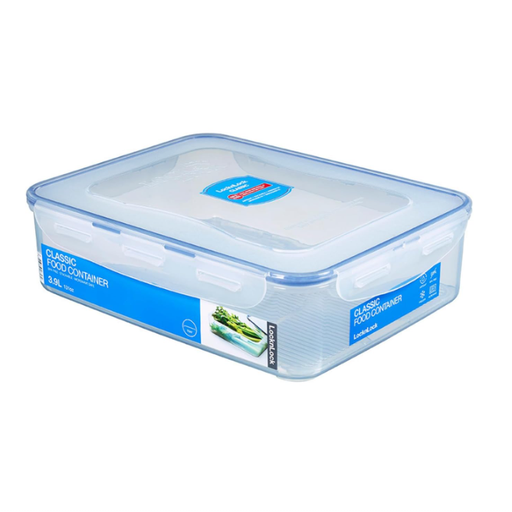
Why This Fits Their Persona: Ideal for storing large quantities of salad, vegetables, or marinated meat. The large volume is suitable for family-sized portions or pantry stocking.
The integrated strainer insert separates food from liquid. This prevents salad from wilting or vegetables from becoming soggy—a common problem when storing them in conventional containers.
Large capacity (3.9 litres) and a practical strainer insert for extended freshness. The proven four-sided safety lock ensures a tight seal.
We have compiled a complete, up-to-date list of products that fully meet these strict selection criteria and safety regulations.
Yes, as long as you choose certified products. The BPA-free seal is a must. High-quality plastics like Polypropylene (PP) or Tritan are specifically designed for food contact and do not release harmful substances when used correctly. It's important to follow the manufacturer's instructions, especially removing the lids before heating in the microwave.
Most quality food storage containers are dishwasher-safe, which simplifies basic cleaning. For stubborn stains, such as from tomatoes or curry, a paste of baking soda and water can help. Let it sit for a few hours. Unpleasant odours can often be neutralised by rinsing with a vinegar-water solution or simply airing the container out with the lid open. Materials like Tritan are naturally less prone to staining.
No, not all of them. Always check the symbols and instructions from the manufacturer, usually found on the bottom of the container. Typically, the container itself is microwave-safe, but the lid is not. Most containers are suitable for the freezer, but it's advisable to leave some space for food to expand to avoid stress cracks in the material.