
Lieferung heute & morgen

Qualitätsgarantie

Willkommens-Angebote freischalten: KOSTENLOSE Lieferung | Bis zu 80 % RABATT | Kostenlose 30-Tage-JoyPlus-Testphase
App herunterladen
By Joybuy Product Recommendation Officer, July 29, 2026
A well-organized kitchen starts with the right storage solutions. Food storage containers are essential for keeping food fresh longer, storing leftovers, or preparing meals on the go. However, the market is overwhelming, and not every product delivers on its promise. A leaky lunch box in your bag or food that spoils quickly despite being stored are frustrating and costly experiences.
This guide will help you navigate the common pitfalls of purchasing and find the perfect food containers for your needs.
Many buyers only discover that their new storage containers have flaws after using them for a while. Watch out for these three common weak points to avoid a bad purchase:
To select the right kitchen storage containers, you should focus on objective and verifiable criteria. The following three features are crucial for functionality and longevity.
The choice of material directly impacts use and care. Both options have specific advantages and disadvantages.
A reliable seal is the core feature of any good food storage container. It determines whether a container is truly airtight and leak-proof.
Practical details make all the difference in daily use.
Depending on the intended use, different models will suit your needs. Here are some recommendations tailored to specific user profiles.
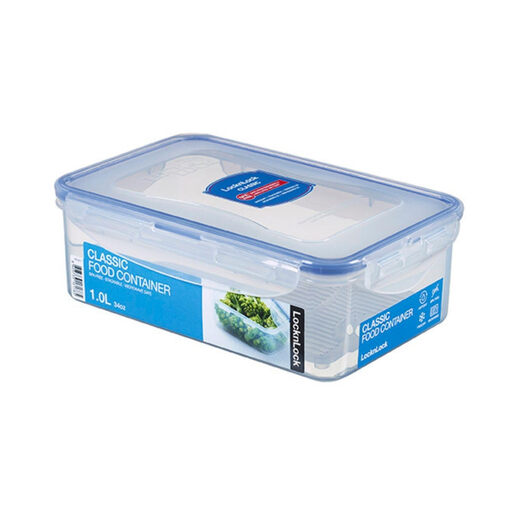
Why This Fits Their Persona: Ideal for anyone looking for a reliable and versatile solution for leftovers, pantry staples, and lunch at the office. A true all-rounder for daily use.
The patented four-sided locking system with a silicone seal ensures a provably airtight and leak-proof seal. The high-quality, BPA-free polypropylene is robust, and the design is consistently optimized for stackability.
Proven locking system; versatile for use in the refrigerator, freezer (down to -20°C), and microwave (up to 120°C, without lid).
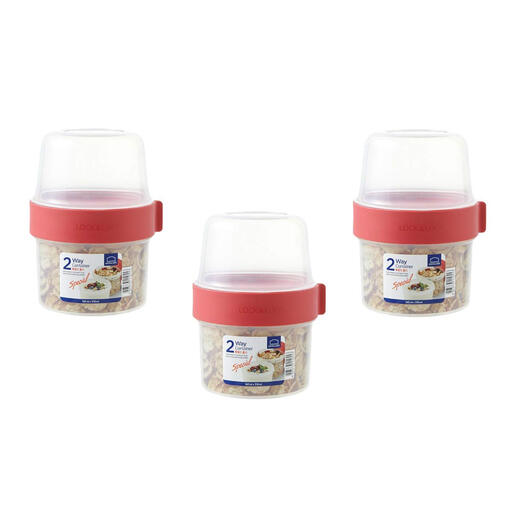
Why This Fits Their Persona: Perfect for anyone who loves to prepare and take their meals on the go. The design is specifically engineered to keep ingredients separate and fresh until it's time to eat.
The clever 2-in-1 construction with a separating insert solves the problem of soggy meals. Cereal and yogurt or salad and dressing stay neatly separated. The secure screw-top lid is ideal for transport.
Two separate compartments per container; convenient set of 3 for weekly planning; compact and easy to transport.
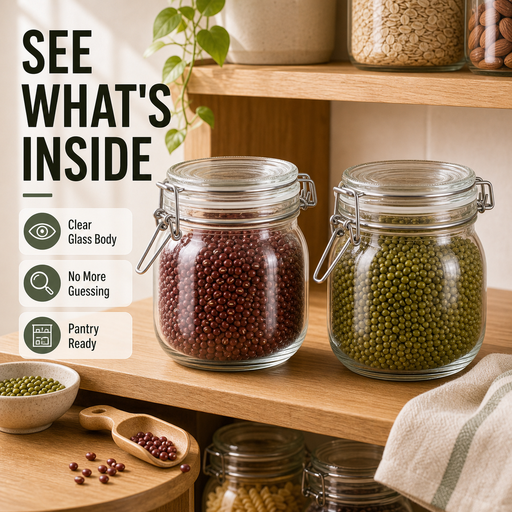
Why This Fits Their Persona: For those who value aesthetic and uniform organization in their pantry. These jars are both functional and a visual highlight on the shelf.
The borosilicate glass is naturally resistant to odors and stains. The stainless steel clamp lid, combined with the silicone seal, ensures long-lasting airtight storage for dry foods like pasta, rice, or cereal.
High-quality, odor-neutral glass; strong and durable sealing mechanism; ideal for the aesthetic storage of dry goods.
We have compiled a complete, up-to-date list of products that fully meet these strict selection criteria and safety standards.
There is no single best choice; it depends on the intended use. Glass is ideal for home storage as it is completely hygienic, odor- and taste-neutral. For transport, as a lunch box, or for meal prep, Plastic is often the more practical solution due to its light weight and shatterproof nature.
Rinse the containers with cold water immediately after use before cleaning them with warm water and dish soap. For stubborn stains in plastic containers, it can help to fill the container with a mixture of water and baking soda and let it sit for a few hours. To neutralize odors, you can place the dry, open container in the freezer overnight.
BPA (Bisphenol A) is a chemical compound used in the manufacturing of certain plastics. It is suspected that BPA can leach from the plastic into food and may have health effects. The BPA-free label guarantees that the plastic was produced without this substance, which is an important quality feature, especially for containers used for food, baby food, and beverages.