
Same-day & Next-day Delivery

Quality Guaranteed

Unlock Your Welcome Offers: FREE Delivery | Up to 80% OFF | Free 30-day JoyPlus trial
Download the APP
A well-organized kitchen starts with the right storage solutions. But the search for the perfect food storage containers can quickly become overwhelming. Many products promise durability and a perfect seal, but in practice, flaws often appear after just a short time: lids that no longer close properly, stains from tomato sauce, or a leaking lunch in your bag.
As your Joybuy Product Recommendation Officer, I'll help you recognize the common pitfalls and make an informed decision. We'll focus on the objective features that define a quality food storage container, so you can find a solution that truly makes your daily life easier.
Before you invest, it's wise to know the most common issues that arise with low-quality products.
To avoid the problems mentioned above, you should check three key aspects before buying. These define the quality and longevity of your future food storage containers.
The decision between glass and plastic largely depends on your intended use. Both materials have specific advantages and disadvantages.
A reliable seal is the heart of any good food storage container. A system advertised as airtight and leak-proof should have two components:
For efficient everyday use, other features are important:
Here are some recommendations tailored to different user profiles that meet the criteria mentioned above.
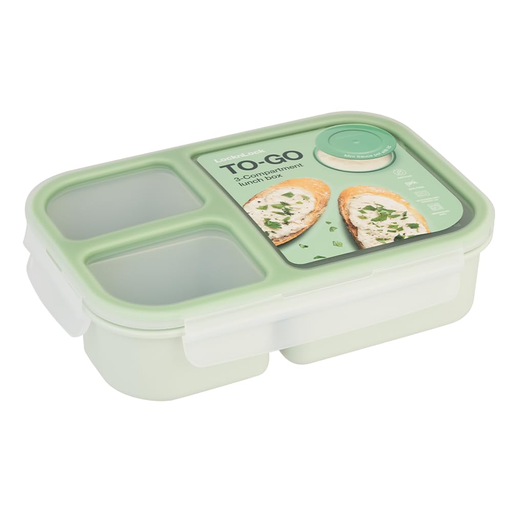
Why it's a great fit: Ideal for professionals who take varied meals to work. The three compartments prevent salad, main course, and snacks from mixing. The integrated sauce container is a handy detail for dressings or dips.
The 4-sided locking system with a silicone gasket directly addresses the problem of false "leak-proof" claims and ensures reliable transport.
Compartmentalized design for organized meals. Made from BPA-free PP plastic, microwave-safe (without lid), and dishwasher-safe.
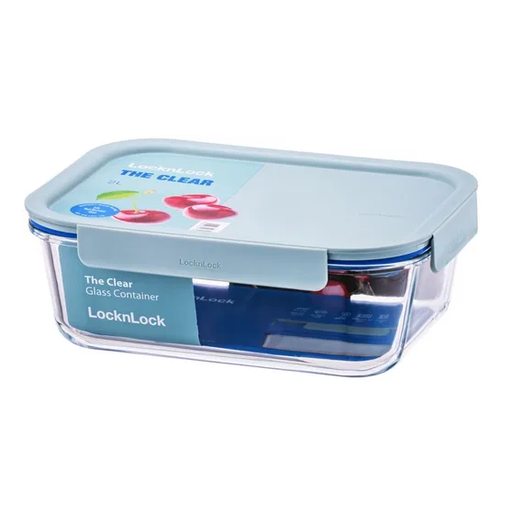
Why it's a great fit: With a 2-liter capacity, this container is ideal for family-sized portions, casseroles, or storing leftovers. It can go from the freezer to the oven (without the lid) and straight to the table, which reduces cleanup.
The heat-resistant glass is naturally resistant to stains and odors (Pitfall #2) and offers maximum versatility from cooking to freezing (Pitfall #3).
Oven-safe, microwave-safe, freezer-safe, and dishwasher-safe. A true kitchen all-rounder.
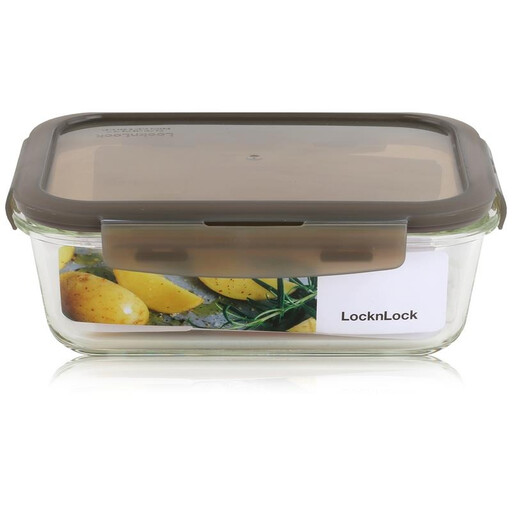
Why it's a great fit: For those who demand the highest material quality. Borosilicate glass is extremely heat-resistant (up to 400°C according to the manufacturer) and resistant to thermal shock. The 630 ml size is perfect for a single serving of lasagna, a salad, or leftovers.
By using borosilicate glass, it minimizes the risk of material fatigue and cracking from temperature changes, ensuring a long lifespan.
Extreme heat resistance for baking directly in the container. The patented locking system ensures a completely airtight and watertight seal.
We have compiled a complete, up-to-date list of products that fully meet these strict selection criteria and safety standards.
Yes, as long as they are labeled as BPA-free. BPA (Bisphenol A) is a plasticizer suspected of being harmful to health. Reputable manufacturers use materials like polypropylene (PP) for their food containers, which are free of BPA and considered food-grade. Always look for this label on the product packaging or in the description.
This is generally not recommended. Extreme and sudden temperature changes (thermal shock) can cause even heat-resistant glass to shatter. It is safer to let the frozen container sit at room temperature for a few minutes or to thaw it slowly in the refrigerator before placing it in a preheated oven. Always follow the specific instructions from the manufacturer.
For light stains, a paste of baking soda and water can help. Apply the paste to the affected areas, let it sit for a few hours, and then rinse thoroughly. Another method is to place the empty, clean container in direct sunlight for several hours, as UV radiation can help bleach the color pigments. However, heavy stains, especially from oil-based sauces, are often permanent.