
当日/次日达

品质保障

开启新人专享福利: 全场免邮 | 低至 2 折 | 免费试用 30 天 JoyPlus 会员
下载 Joybuy
By the Joybuy Product Recommendation Officer, August 29, 2026
A well-organised kitchen is the foundation for fresh meals and less food waste. Airtight food containers are a cornerstone of this system. However, the market is flooded with products that often fail to deliver on their promises in practice. A container that no longer seals properly after a few washes or starts absorbing odours is not just an annoyance—it's a bad investment.
This guide highlights the pitfalls to avoid and the technical features that truly matter, ensuring your food stays fresh for longer.
Before choosing a model, it's helpful to understand the typical flaws of low-quality products, which often only become apparent after a short period of use.
To avoid these issues, base your purchasing decision on objective criteria. Pay close attention to the following three core features.
A reliable seal is the heart of any airtight food container. Simply pressing the lid on is not enough to make a container leak-proof.
Look for systems with multi-sided locking clips. For example, Lock & Lock storage containers often use a patented four-sided locking system. These clips press the lid evenly onto the container's rim. Combined with a hollow-core silicone seal in the lid, this creates a barrier that reliably keeps both air and liquids inside.
Both materials have specific pros and cons that make them suitable for different purposes.
Don't rely on generic marketing claims. Check the manufacturer's specific details regarding suitability for the dishwasher, microwave, and freezer. Reputable products provide precise temperature ranges (e.g., freezer-safe down to -20°C, microwave-safe up to 120°C). Always note the instructions on whether the lid must be removed before heating.
Based on the criteria above, we have identified several products that are well-suited for specific user profiles.
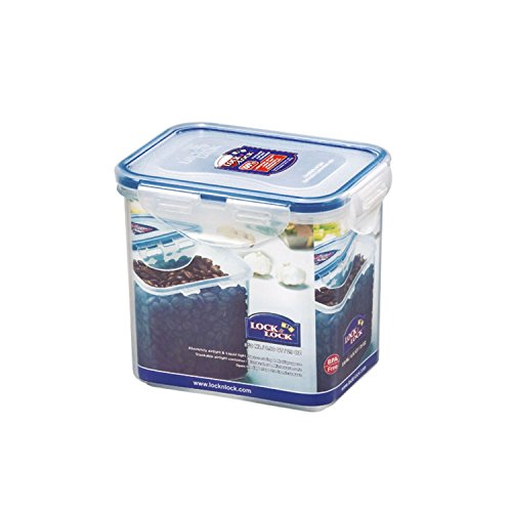
Why This Fits Their Persona: Ideal for professionals who prep their meals. The 850 ml size is perfect for a main course, the lightweight material makes it easy to transport, and the rectangular shape is stackable, saving space in the fridge and bag.
The 4-sided locking system with a silicone seal prevents sauces from leaking and keeps the meal fresh. The polypropylene is robust and won't warp with proper use in the dishwasher (top rack) and microwave.
BPA-free plastic for safe food contact. Microwave-safe (without lid) for easy reheating of meals at the office.
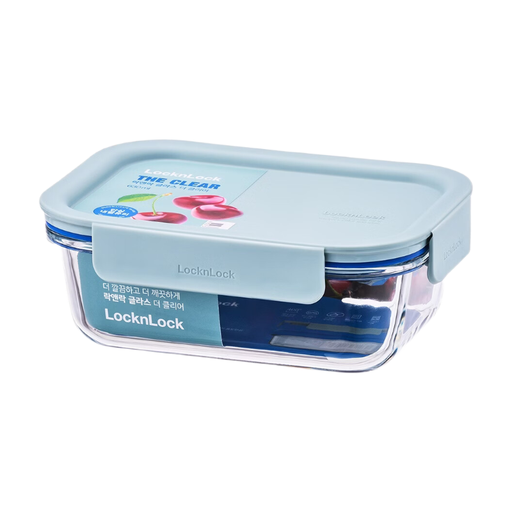
Why This Fits Their Persona: For anyone who values durability, hygiene, and maximum flexibility. Ideal for preparing casseroles, serving at the table, and then storing leftovers in the same container.
The borosilicate glass is non-porous and absorbs neither odours nor stains—a clear advantage over plastic. It is also resistant to temperature fluctuations and does not warp.
Oven-safe up to 400°C (without lid) for maximum culinary freedom. The lid with its silicone seal ensures 100% leak-proof storage.
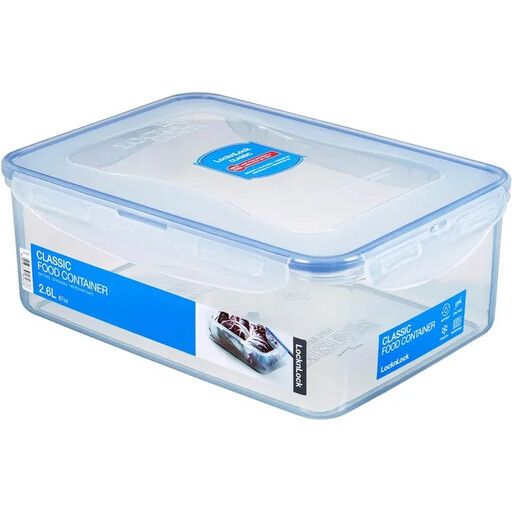
Why This Fits Their Persona: Perfect for storing large quantities or bulky foods like flour, sugar, cereal, or a large batch of soup. The integrated handle makes it easy to manage, especially when the container is full and heavy.
Unlike many large pantry containers with simple flip-top lids, this model features the full, patented 4-sided locking system. It reliably protects dry goods from moisture and pests.
Large 2.6-litre capacity combined with a completely airtight and watertight seal. The convenient carrying handle is a functional detail.
We have compiled a complete, up-to-date list of products that fully meet these strict selection criteria and safety regulations.
The shelf life is significantly extended, but it varies depending on the food. In a truly airtight container, lettuce stays crisp for several days, cut fruits and vegetables oxidise more slowly, and strong-smelling foods like cheese or onions won't transfer their aroma to the rest of the fridge. In the freezer, they effectively prevent freezer burn.
There's no one-size-fits-all answer; it depends on the intended use.
A reliable indicator is a multi-sided locking system (e.g., clips on all four sides) combined with a visible, flexible silicone seal that sits firmly in the lid. Simple snap-on lids without these features are generally unsuitable for transporting liquids like soups or sauces.