
Lieferung heute & morgen

Qualitätsgarantie

Willkommens-Angebote freischalten: KOSTENLOSE Lieferung | Bis zu 80 % RABATT | Kostenlose 30-Tage-JoyPlus-Testphase
App herunterladen
An oily sheen, clogged pores, or a heavy, sticky feeling on the skin—the search for the right moisturiser for sensitive, oily, or combination skin can be frustrating. A gel cream promises a solution: intense hydration in a feather-light texture. However, not every product labelled as a "gel" delivers on this promise. Many formulations lead to new problems instead of solving existing ones.
As your Joybuy Product Recommendation Officer, I'll help you navigate the common pitfalls. We will analyse what truly matters in a high-quality gel cream, so you can make an informed decision and give your skin the exact care it needs.
Before we turn to the solutions, it's important to understand the most common issues that lead to purchase mistakes. Many products use marketing terms that obscure more than they clarify.
To make a well-founded choice, you should focus on three objective criteria instead of marketing promises. These parameters determine the product's efficacy and compatibility.
The foundation of every true gel cream is water. Unlike traditional creams based on an oil-in-water or water-in-oil emulsion, gel textures are primarily water-based. This makes them the ideal care for oily skin and for summer skincare.
A good gel cream not only moisturises but also addresses specific skin needs. Here are some of the most proven active ingredients for sensitive and blemish-prone skin:
The texture is crucial for the application experience. A high-quality moisturising face gel should spread easily on the skin and absorb quickly without leaving a tacky or sticky film. The ideal texture "breaks" into a watery consistency upon contact with the skin, providing an instant feeling of freshness and hydration.
Based on the criteria above, we have identified several products suitable for specific user profiles.
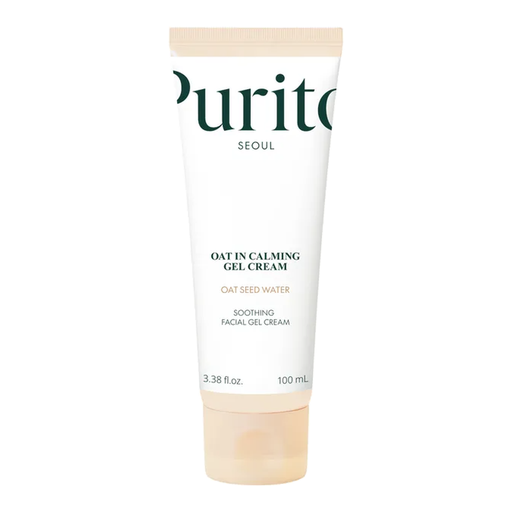
Why this product is a good fit: Ideal for users whose skin reacts quickly to external aggressors with redness and irritation. The formulation focuses on maximum soothing and strengthening of the skin barrier without overburdening the pores.
This cream bypasses the "lightweight" trap with a base of 77% Oat Kernel Water, which provides moisture without leaving a film. It is free of irritating alcohol, making it a genuinely soothing treatment.
The combination of Oat Kernel Water and Panthenol is proven to strengthen the moisture barrier and reduce transepidermal water loss, as supported by the manufacturer's clinical data.
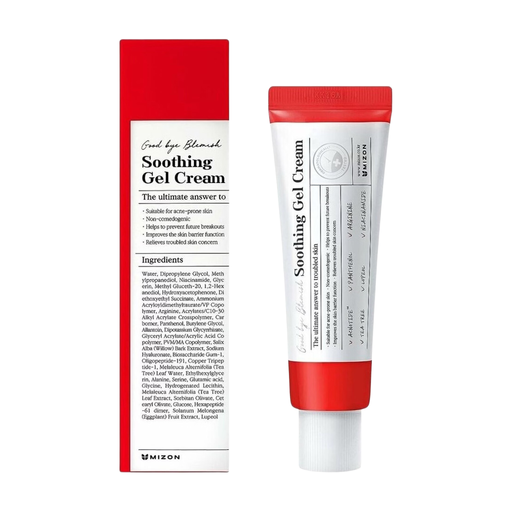
Why this product is a good fit: Designed for those seeking a lightweight moisturiser that won't aggravate blemishes while simultaneously strengthening the skin barrier. The formula hydrates without clogging pores.
This gel avoids the trap of vague promises with a transparent formula featuring Niacinamide, Panthenol, and Tea Tree Leaf Extract. It offers functional care that goes beyond simple hydration.
The light gel texture provides refreshing moisture and supports the skin's natural regeneration process, making it a suitable choice for the daily care of acne-prone skin.
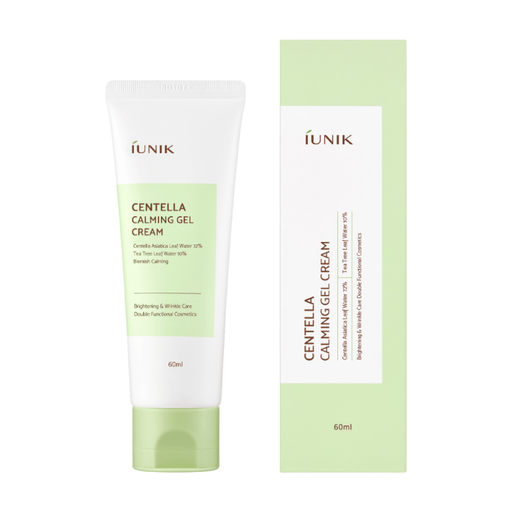
Why this product is a good fit: For users specifically seeking the soothing properties of Centella Asiatica (Cica). This Cica cream is ideal for reducing redness and revitalising stressed skin.
Instead of relying on an alcohol "fresh kick," this cream uses the natural properties of Tea Tree Leaf Water for a cooling and soothing effect without drying out the skin.
According to the manufacturer, the formula contains 72% Centella Asiatica Leaf Water and 10% Tea Tree Leaf Water, a high concentration of active ingredients for effective skin soothing and hydration.
We have compiled a complete, up-to-date list of products that fully meet these strict selection criteria and all applicable safety regulations.
Yes, a gel cream can also be suitable for dry skin, especially in the summer or as part of a layering routine. You can use it as a lightweight hydration step before a richer cream to maximise hydration. Look for formulations with multiple types of hyaluronic acid or added lipids.
A pure gel typically consists only of water and humectants (e.g., aloe vera, hyaluronic acid) and can sometimes leave a tight feeling as it dries. A gel cream has a more complex structure. It often contains a small amount of nourishing lipids or emollients suspended in the gel base. This gives it a creamier, more nourishing feel without the heaviness of a traditional cream.