
Lieferung heute & morgen

Qualitätsgarantie

Willkommens-Angebote freischalten: KOSTENLOSE Lieferung | Bis zu 80 % RABATT | Kostenlose 30-Tage-JoyPlus-Testphase
App herunterladen
Dry hands are often caused by cold air, frequent washing, disinfectant or working with water and cleaning products. Hand cream can moisturise the skin’s surface and replenish nourishing lipids. However, not every formula suits every routine.
If you choose based only on fragrance, packaging or a bold marketing claim, you may miss important differences. These three common pitfalls are particularly likely to lead to the wrong purchase:
A moisturising hand cream often contains glycerin, hyaluronic acid or similar humectants. These bind water to the skin’s surface. Shea butter, oils, squalane or certain fatty alcohols complement the formula by helping to keep skin soft and supple.
For very dry hands, a combination of humectants and nourishing or film-forming ingredients is often more practical than a product that highlights just one active ingredient. Check the current packaging for the exact ingredients, as INCI lists can change.
A fast-absorbing hand cream is often a good choice for work or when you’re out and about. A concentrated or rich formula, on the other hand, can be useful for your evening routine and as a hand cream for dry hands.
Check the product description:
“Non-greasy” isn’t a uniformly defined technical standard. How a cream feels on your skin also depends on how much you apply and your individual skin type.
A fragrance-free hand cream can be a practical choice if you want to avoid fragrance. Even so, read the full ingredients list. Some people may also react to plant extracts or specific preservatives.
If you’re looking for a vegan hand cream, check for an appropriate label or certification. “Natural” doesn’t automatically mean vegan. For sun protection, a stated sun protection factor such as SPF 20 is a specific product claim. However, it doesn’t replace the general recommendation to protect your hands in strong sunlight.
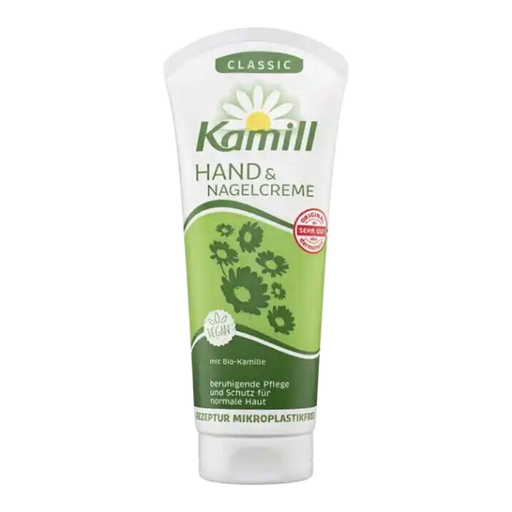
Why this product suits this profile: The 100 ml tube is designed for daily care of normal skin and for use on the go. According to the product description, the formula is vegan and contains organic camomile.
The product description specifies what it excludes, such as parabens, mineral oil, paraffin and PEG emulsifiers, rather than relying on a general skincare claim.
Described as vegan, with a 100 ml size and a fast-absorbing texture for daily hand and nail care.
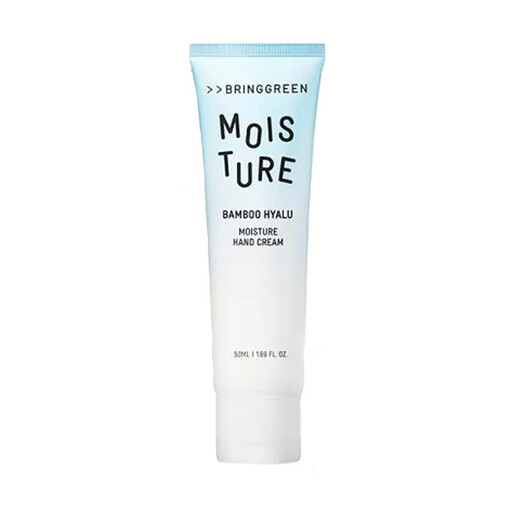
Why this product suits this profile: According to the product information, the cream combines ceramide, hyaluronic acid, squalane and shea butter. It is vegan-certified and designed for daily use.
You can see what sets this product apart from its four named moisturising and nourishing ingredients and its stated vegan certification.
A 50 ml size, a vegan-certified formula and a non-sticky, fast-absorbing texture, according to the product description.
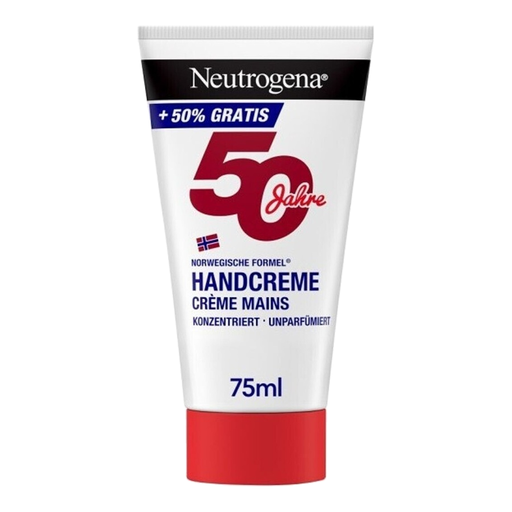
Why this product suits this profile: The concentrated, fragrance-free formula may suit people who reapply hand cream often after washing their hands and prefer to use only a small amount.
The product description explicitly states that it is fragrance-free and notes that its concentrated formula should be applied sparingly.
75 ml size, glycerin listed as an ingredient and a fragrance-free formula for those who are sensitive to scents.
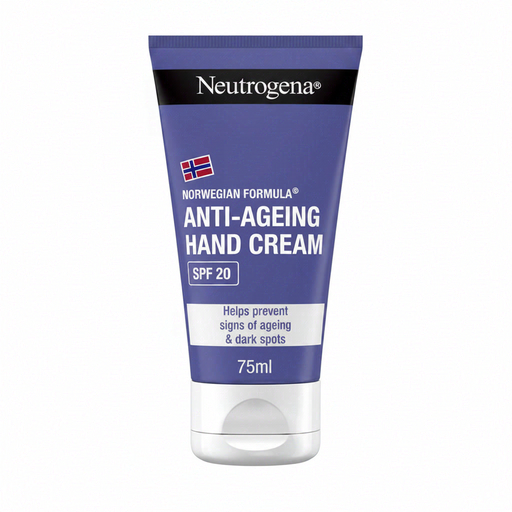
Why this product suits this profile: For everyday use outdoors, this hand cream offers SPF 20 and moisturising care in a 75 ml size, according to the product description.
The sun protection factor is clearly stated. The product information also notes that the cream doesn’t replace comprehensive sun protection during prolonged exposure to strong sunlight.
SPF 20, 75 ml size and a cream texture designed for everyday use.
We’ve put together a complete, regularly updated list of products that meet these strict selection criteria and the safety requirements in force in the EU.
Apply hand cream to hands that have been gently patted dry after washing. Make sure to work it between your fingers, over your fingertips and around your nails. If your skin is very dry, you can use a slightly richer cream in the evening. A small tube is handy for your bag or workplace, while larger sizes are often more practical for regular use at home.
If you have open sores, noticeable redness, swelling, itching or persistent irritation, stop using the product and seek medical advice. Cosmetic hand care is not a substitute for treatment of skin conditions.
Look for humectants such as glycerin or hyaluronic acid, as well as nourishing ingredients such as shea butter, squalane or oils. For very dry hands, a concentrated or rich texture may be more suitable than a light lotion. If you have sensitive skin, a fragrance-free hand cream is one option.
It depends on your skin and your daily routine. It’s a good idea to reapply after washing your hands, when the air indoors is dry or after contact with cleaning products. If you use hand cream frequently, you could use a fast-absorbing cream during the day and a richer one in the evening.
Check the best-before date and the period-after-opening symbol on the packaging. Changes in smell, colour or consistency may be signs that the product is ageing. Keep the tube closed and store it in a dry place, away from direct sunlight and significant temperature changes.