
Lieferung heute & morgen

Qualitätsgarantie

Willkommens-Angebote freischalten: KOSTENLOSE Lieferung | Bis zu 80 % RABATT | Kostenlose 30-Tage-JoyPlus-Testphase
App herunterladen
A heat pump tumble dryer can make laundry day easier for families and larger households. However, eye-catching product names and a long list of extra features don’t automatically make a model the right choice. What matters are the specifications that make a real difference in everyday use: energy consumption, capacity, drying time, noise level and maintenance requirements.
A tumble dryer with an A rating may look particularly economical at first glance. But running costs also depend on the weighted energy consumption per 100 drying cycles. Even a highly rated, larger model may use more electricity per cycle if it’s regularly only half full.
So always compare:
For example, the LG RT90X9B is listed with an A energy efficiency rating, a 9 kg capacity and weighted consumption of 79 kWh per 100 cycles. Other 9 or 10 kg models may have a different energy efficiency rating and use a different amount of energy.
Depending on the model, a tumble dryer with AI Dry may take the load size, moisture level or fabric type into account. However, the feature doesn’t replace choosing the right programme, and it won’t shorten drying times in every situation. Heavy towels, bedding and mixed loads often take longer to dry than lightweight synthetic fabrics.
A reliable moisture sensor is more important. It can end a programme as soon as the selected dryness level is reached, helping to avoid unnecessary running time. Claims such as “quick drying in 81 minutes” should always be considered in the context of load size, fabric type and programme.
Depending on its design, a tumble dryer with a self-cleaning condenser automatically flushes the heat exchanger with water. This can reduce the need for manual cleaning, but the fluff filters still need to be cleaned regularly. You’ll also need to empty the water tank unless a direct drain is connected.
So consider all the maintenance requirements:
An 8 kg heat pump tumble dryer is often a good fit for smaller households or people who do smaller loads of laundry regularly. A 9 kg heat pump tumble dryer offers extra capacity for bedding, towels and family laundry. A 10 kg heat pump tumble dryer is worth considering if you often dry large loads or bulky items.
However, the maximum capacity should suit your washing machine. An 8 kg washing machine doesn’t necessarily need a 10 kg tumble dryer. If you often run the larger machine with only a partial load, you may not make the most of its efficiency benefits.
Heat pump technology typically works at lower temperatures than conventional vented or condenser tumble dryers. This can be gentler on fabrics and reduce electricity use, but programmes often take longer.
For a fair comparison, consider:
The A energy efficiency rating is currently on the A-to-G scale. A C- or D-rated model isn’t automatically unsuitable, particularly if shorter programmes or good value for money are more important to you. What matters is its actual energy consumption in relation to how you expect to use it.
A quiet tumble dryer is particularly useful if you live in a flat, plan to put the appliance near bedrooms or have an open-plan utility area. Noise levels are usually given in dB(A), and even a difference of a few decibels can be noticeable in everyday use.
You should also check:
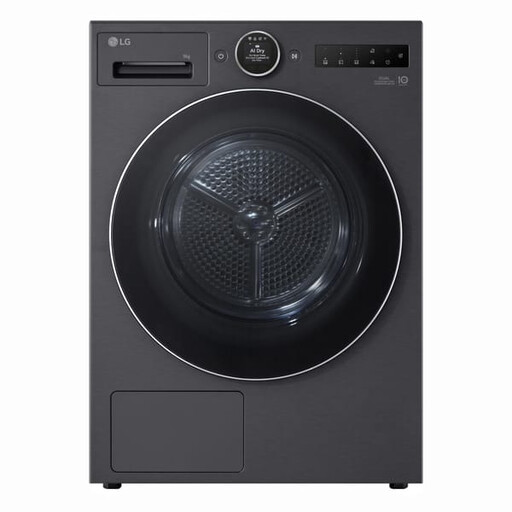
Why it’s a good fit: With a 9 kg drum, an A energy efficiency rating and Sensor Dry, this model is suited to households looking for an energy-efficient tumble dryer for regular everyday laundry.
Its stated energy consumption and moisture sensor make it easier to compare with appliances that rely on feature names alone.
9 kg, A rating, 60 dB, Wi-Fi, AI Dry and an automatically self-cleaning condenser.
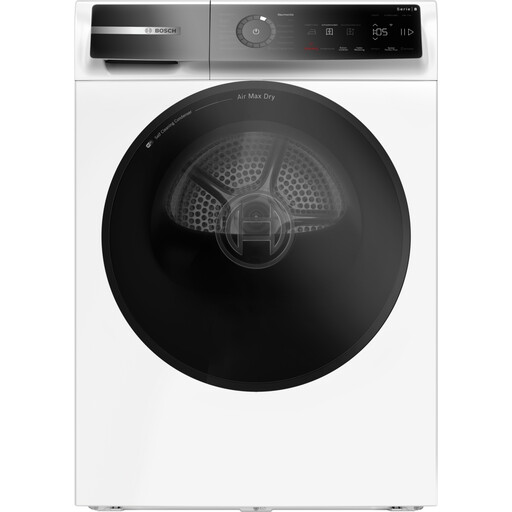
Why it’s a good fit: This model combines a 9 kg capacity with an A energy efficiency rating, Home Connect and a stated noise emission of 57 dB.
The stated noise level, A-rated condensation efficiency and self-cleaning condenser bring key everyday considerations into focus.
57 dB, A rating, AutoDry, Smart Dry, Home Connect and a 24-hour delay start.
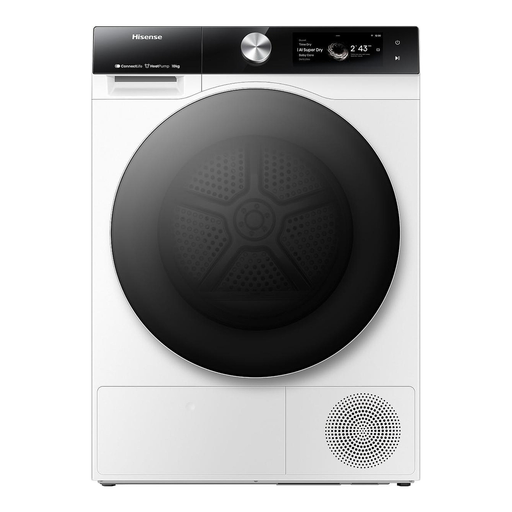
Why it’s a good fit: The 10 kg drum is well suited to larger households and bulky laundry. Wi-Fi, ConnectLife and specialist programmes broaden its range of uses.
The stated 10 kg load limit and moisture sensor help you choose a size that’s genuinely suited to large loads of laundry.
10 kg, 125-litre drum, Wi-Fi, 205-minute programme duration at full load, and programmes for duvets, towels and baby clothes.
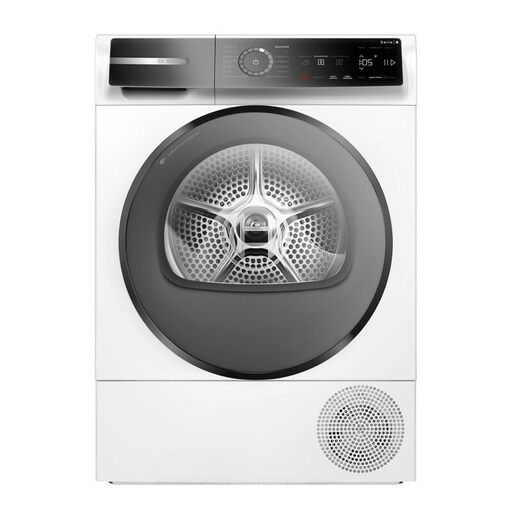
Why it’s a good fit: This 9 kg tumble dryer is designed for households looking to combine automatic drying levels, Wi-Fi control and an A-rated noise class.
SelfCleaning Condenser reduces the need for manual condenser maintenance, but it doesn’t replace regular cleaning of the fluff filter.
59 dB, SelfCleaning Condenser, AutoDry, SmartDry, Home Connect and Reload function.
We’ve put together a complete, regularly updated list of products that meet these strict selection criteria and fully comply with the safety regulations in force in the EU.
Consumption depends on the energy efficiency rating, load size, programme and how damp the laundry is. For comparison, look at the kWh per 100 cycles figure on the energy label. Multiply this figure by your electricity price and divide by 100 to estimate the cost per drying cycle.
There’s no single lifespan that applies to every model. It depends, among other things, on how often it’s used, load size, maintenance and where it’s installed. Regularly cleaning the fluff filters, keeping the airways clear and observing the maximum load can all help keep the appliance working well.
Yes, as long as the location is dry, frost-free and adequately ventilated. Before buying, check the appliance depth, door opening and noise level. It should be plugged directly into a suitable earthed socket; avoid multi-socket adaptors and extension leads in accordance with the manufacturer’s instructions.