
Lieferung heute & morgen

Qualitätsgarantie

Willkommens-Angebote freischalten: KOSTENLOSE Lieferung | Bis zu 80 % RABATT | Kostenlose 30-Tage-JoyPlus-Testphase
App herunterladen
Whether you are a home bartender, hosting a family celebration or preparing dessert after dinner: ice cube makers and ice cream makers are designed for different tasks. A classic ice cube tray is sufficient for water ice cubes, while an ice crusher, ice ball mould or ice cream maker will each produce different results.
When shopping, however, some common marketing claims can lead to the wrong choice. It is not eye-catching colours or as many accessories as possible that matter most, but the material, capacity, ease of use and intended purpose.
With an ice cube tray, the material comes directly into contact with water or drink ingredients. Terms such as “flexible” or “shatterproof” do not tell you much on their own. Look for a specific material description such as silicone, TPE, TPR or ABS, as well as information about cleaning and intended use.
Flexible materials can make it easier to remove the ice. At the same time, ice cube trays should not be overfilled, used on hot surfaces or handled with sharp objects.
Large whisky ice cubes or ice balls generally melt more slowly than small pieces of ice. They are therefore better suited to spirits where gradual cooling is preferred. For cocktails, iced coffee or smoothies, small pieces of crushed ice can be more practical, as they have a larger surface area and cool drinks more quickly.
An ice ball mould is therefore not a substitute for an ice crusher or a classic ice cube tray. The mould should suit both the drink and the size of your freezer compartment.
Dimensions and stackability are often overlooked. A tray must be able to stand flat in the freezer without spilling liquid. With an ice cream maker, you also need to consider its footprint, weight, cable length and the distance from the ventilation openings.
Check the following before buying:
For moulds and containers, food-safe materials and clear care instructions are important. Silicone and thermoplastic elastomers such as TPE or TPR are flexible. ABS may be used for more robust components in certain products. However, the material alone does not determine the overall quality of a product.
Follow the manufacturer’s instructions regarding temperature, cleaning and filling. This is particularly important with a crushed ice mould: only fill it up to the marked line, as liquid expands when it freezes.
Small pieces of ice cool drinks quickly, but usually melt faster too. Large cubes or whisky ice cubes change the drinking temperature more slowly. Round ice balls can be appealing for whisky, bourbon or Scotch, while classic cubes are versatile for water, lemonade and soft drinks.
An ice cube tray with small compartments can be useful for cocktails containing mint, fruit or syrup. A manual ice crusher, on the other hand, produces crushed ice from existing cubes.
With an ice cream maker, you should consider capacity and preparation time together. According to the product information, the Camry CR 4481 has a 0.7-litre capacity, a power rating of 90 W and thermoelectric cooling. The stated preparation time is approximately 30 minutes. This capacity is designed for smaller households or individual dessert portions, rather than necessarily for large celebrations.
The following also applies to electrical appliances: do not immerse motorised parts in water, unplug the appliance before cleaning and keep the ventilation openings clear. Manual appliances do not require electricity or a cable, but they do require some physical effort.
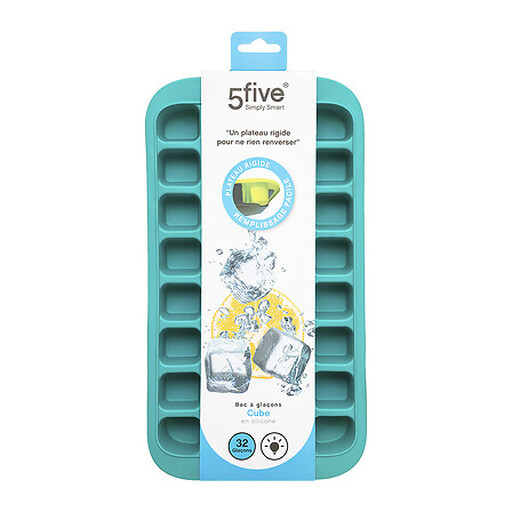
Why this product suits the profile: The ice cube tray has 32 compartments and is ideal for households that regularly prepare classic ice cubes or flavoured ice cubes with fruit and herbs.
The dimensions of 33.4 × 18.5 × 3.5 cm and the flexible TPE/TPR material make the space requirements clear. The tray is designed to be placed flat in the freezer compartment.
32 compartments, a flexible design and, according to the product information, dishwasher-safe.
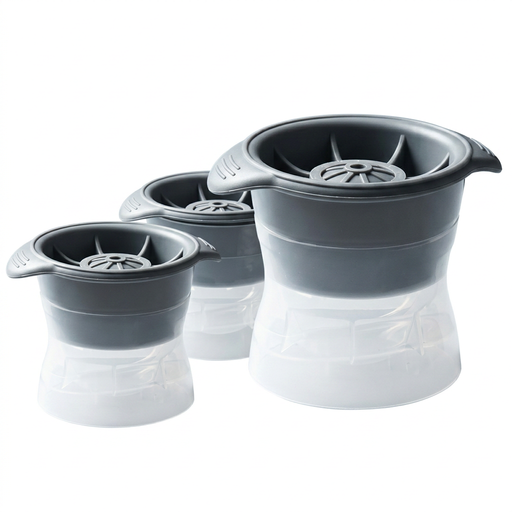
Why this product suits the profile: The two moulds create ice balls with a diameter of 6.5 cm. This format is aimed at whisky, bourbon and Scotch enthusiasts who prefer large pieces of ice.
The ice size is clearly stated. This lets you check before buying whether the ice balls will fit the glasses you plan to use.
Two flexible silicone moulds and a large, spherical ice format for spirits.
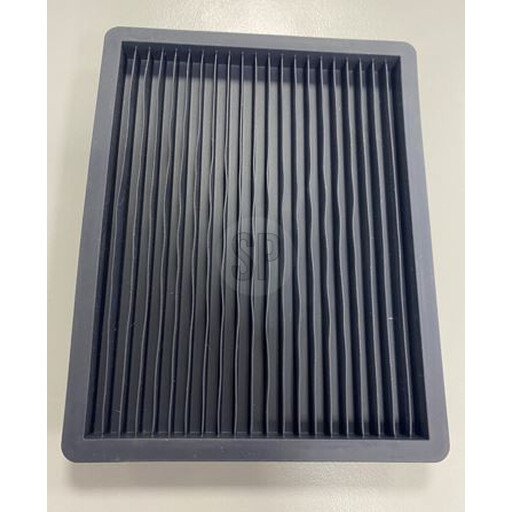
Why this product suits the profile: The crushed ice mould produces small pieces of ice for cocktails, smoothies, iced coffee or chilled serving platters.
The maximum filling quantity of 0.5 kg and the requirement for a level freezer surface help prevent overfilling and leaks.
Small ice fragments, flexible removal and a stackable design for limited freezer space.
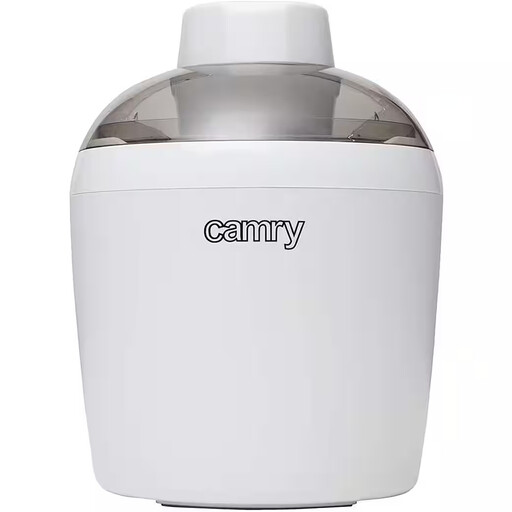
Why this product suits the profile: This ice cream maker is designed for homemade ice cream, sorbet and frozen yoghurt, and comes with a measuring cup, spoon and spatula.
The 0.7-litre capacity and dimensions of 30 × 27.1 × 30.6 cm can be checked specifically before buying.
90 W power, thermoelectric cooling, a coated container and a stated preparation time of approximately 30 minutes.
Depending on how you plan to use it, additional accessories may be more useful than a larger appliance:
If you want to cover a range of uses, you can find more moulds, containers, crushers and dessert accessories in the category Ice-making accessories for preparing ice at home.
We have put together a complete, regularly updated list of products that fully meet these strict selection criteria and the safety regulations applicable in the EU.
The time depends on the temperature, filling quantity, mould material and size of the ice pieces. Small cubes usually freeze solid sooner than large ice balls. Moulds should stand level and should not be filled beyond the marked line.
An ice cube tray does not require electricity. An ice cream maker also involves electricity consumption and cleaning. However, it can save time if you prepare desserts regularly. It is therefore worth comparing how often you plan to use it, its capacity and the stated power rating.
Use clean drinking water, clean moulds and containers regularly, and keep finished ice cubes covered wherever possible. Small pieces of ice should only be served to children under supervision, as they may pose a choking risk.