
Same-day & Next-day Delivery

Quality Guaranteed

Unlock Your Welcome Offers: FREE Delivery | Up to 80% OFF | Free 30-day JoyPlus trial
Download the APP
Japanese sodas, often found in distinctive bottles and with exotic flavours, are gaining popularity in the UK and Europe. However, the search for the right product can quickly become overwhelming. Between marketing hype and unclear product descriptions, it's difficult to make an informed decision. This guide will help you avoid the common pitfalls and find a Japanese soda that meets your expectations.
Before you buy Japanese drinks online, it's helpful to know the most common issues that can lead to disappointment.
To make a conscious choice, you should check three core parameters. These will help you objectively evaluate the quality and type of soda.
A crucial quality indicator is the difference between real juice and pure flavourings.
The sweetness in Japanese sodas comes from various sources, which affect the taste and nutritional value.
The drinking experience is significantly shaped by the bottle.
Here are some recommendations tailored to different preferences and use cases.
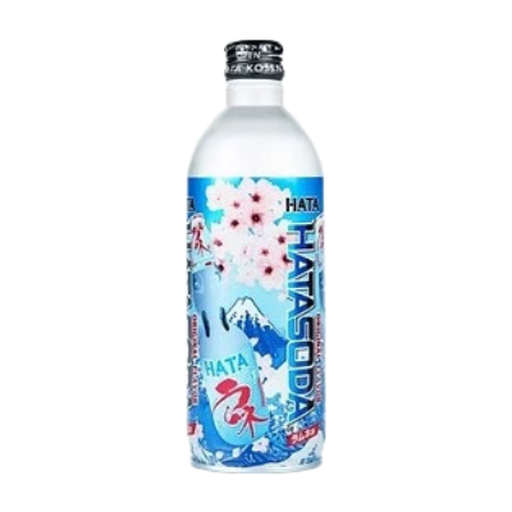
Why This Fits Their Persona: Ideal for anyone looking for the authentic Ramune experience. The classic flavour and iconic marble stopper make it the perfect entry point into the world of Japanese sodas.
This product avoids the pitfall of a high price for packaging by delivering exactly what it promises: the classic Ramune experience, where the bottle is a central feature.
Offers the distinctive opening ritual with the glass marble. The taste is the traditional, slightly lemony original Ramune flavour.
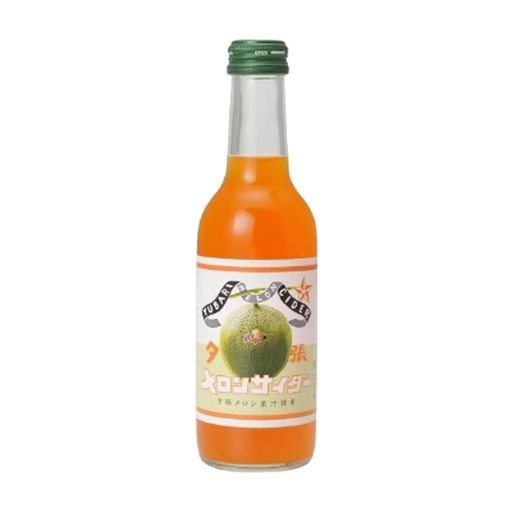
Why This Fits Their Persona: Perfect for connoisseurs seeking a specific, high-quality fruit flavour. The Yubari melon is renowned in Japan for its intense aroma and offers a special taste experience.
This product avoids the misleading flavour trap through transparency. It explicitly declares it contains 1% Yubari melon juice, which points to an authentic ingredient.
Delivers the unique, sweet taste of the premium Yubari melon from Hokkaido. The standard screw-cap bottle is practical and easy to handle.
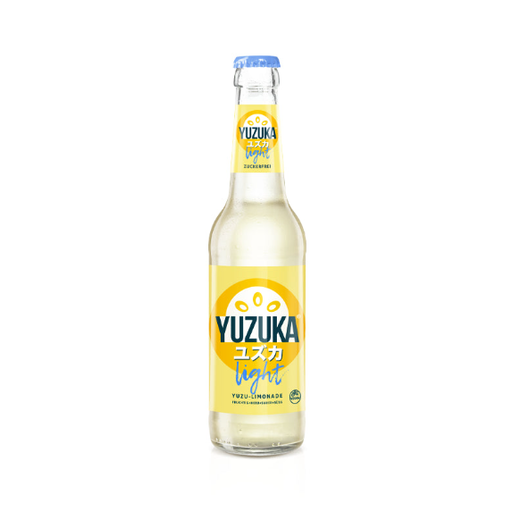
Why This Fits Their Persona: For those who want to enjoy the exotic taste of Yuzu Soda without the high sugar and calorie content of traditional soft drinks.
This product is clearly positioned as a "Light" version, thus avoiding the hidden sugar trap. The nutritional information is transparent and shows a very low calorie count.
Extremely low in calories with only 2.4 kcal per 100 ml. Uses real yuzu juice for an authentic, refreshing citrus taste.
We've compiled a complete, up-to-date list of products that fully meet these strict selection criteria and EU safety regulations.
Remove the outer foil from the cap. Take the plastic plunger out of the cap. Place the plunger on top of the glass marble and press down firmly and steadily until the marble falls into the bottle. Hold the plunger down for a moment to prevent the soda from fizzing over. The indentations in the bottle's neck stop the marble from blocking the opening while you drink.
The main difference lies in the bottle and the ritual associated with it. Ramune specifically refers to the soda in the Codd-neck marble bottle. The name itself is a Japanese transliteration of the English word "lemonade." Other Japanese drinks, like those from Tomomasu, are bottled in conventional bottles and often focus more on specific, regional fruit varieties.
Most products sold in the EU comply with local regulations. However, it is always wise to check the ingredients list. Some products, like the Tomomasu Yubari Melon Cider, contain colourings (Tartrazine, Sunset Yellow FCF, Azorubine) which, according to EU regulation, must carry the warning "May have an adverse effect on activity and attention in children." Products manufactured specifically for the EU market are generally compliant.