
Lieferung heute & morgen

Qualitätsgarantie

Willkommens-Angebote freischalten: KOSTENLOSE Lieferung | Bis zu 80 % RABATT | Kostenlose 30-Tage-JoyPlus-Testphase
App herunterladen
An LED face mask can complement your daily skincare routine without the need to book an appointment at a salon. However, devices vary considerably in their light colours, fit, treatment time and extra features. If you focus only on the number of LEDs or claims such as ‘clinically proven’, you could overlook important buying criteria.
Red light, infrared light, blue light, yellow light and violet light are often promoted as versatile solutions for wrinkles, redness or blemishes. What matters, though, is whether you can select your preferred light colour and whether the device provides details about its wavelength, treatment time and programme.
For example, an LED mask for acne should have a clearly described blue-light programme. If you’re mainly looking for an anti-wrinkle face mask, check the details for red or infrared light. Marketing terms without technical specifications only tell you so much.
An electric face mask may have an impressive range of technical features, but you’re unlikely to use it often if it feels tight, slips out of place or is too heavy. So check for:
With LED light therapy for the face, regular use in line with the manufacturer’s instructions is key. A device that ends up in the cupboard after a few sessions has limited practical value.
LED devices work without UV radiation, but they aren’t suitable for everyone or every skin concern. Depending on the product, restrictions may apply if you have a light-sensitive condition, take photosensitising medication, have open wounds, an active infection or certain eye problems.
If you’re pregnant or breastfeeding, have an implanted electronic device or a skin condition, or are using retinoids or benzoyl peroxide, seek medical advice before use. Always follow the instructions for the specific device.
Wavelength is measured in nanometres and describes the range of visible or near-infrared light. When comparing devices, specific values are more useful than general descriptions.
The effects depend on factors including light intensity, distance from the skin, treatment time and regularity of use. Individual product claims shouldn’t be taken as general medical promises.
An automatic shut-off timer makes the device easier to use and helps prevent sessions from running unnecessarily long. Programmes with a clearly stated duration are useful – for example, six, eight, ten or 15 minutes. Manual selection is handy if you want to use red-light facial therapy and blue-light facial therapy separately.
According to a clinical study by Shark, results for the CryoGlow mask were described based on daily use over several weeks. The product information notes that results vary between individuals and refers to specific programmes. These claims can’t automatically be applied to other devices.
Silicone surfaces are usually easy to wipe clean. Even with water-resistant devices, check whether they’re only splash-proof or can actually come into contact with water under certain conditions. As a general rule, don’t use a device while it’s charging if the instructions say not to.
A cordless mask gives you more freedom to move around. Also check the charging time and battery life, and whether a suitable USB or magnetic charging cable is included.
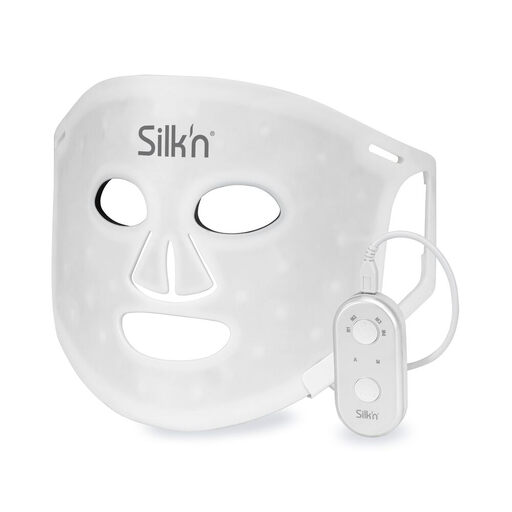
Why it suits this profile: This cordless mask offers four selectable light colours, plus automatic and manual programmes for simple use at home.
The product specifications give the light colours, wavelengths and programme durations. This makes it easier to assess what’s included than a simple colour label would.
100 LEDs, silicone construction, 10- or 15-minute mode and rechargeable battery.
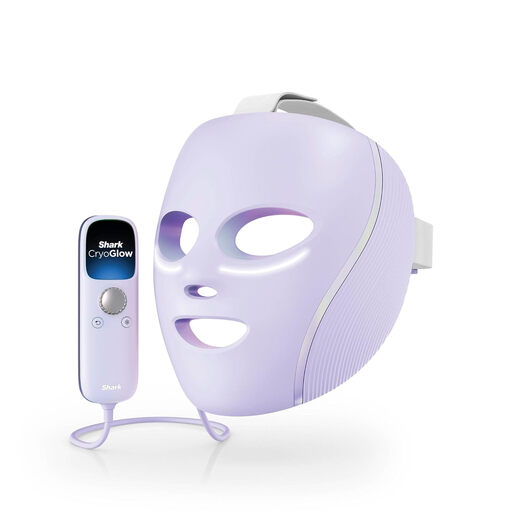
Why it suits this profile: A good fit if you want to combine LED programmes with an integrated cooling function for the eye area.
The instructions explain the separate programmes, automatic shut-off and how to adjust the fit of the cooling pads.
Red, infrared and blue-light programmes, three cooling levels, and a remote control with USB-C charging.
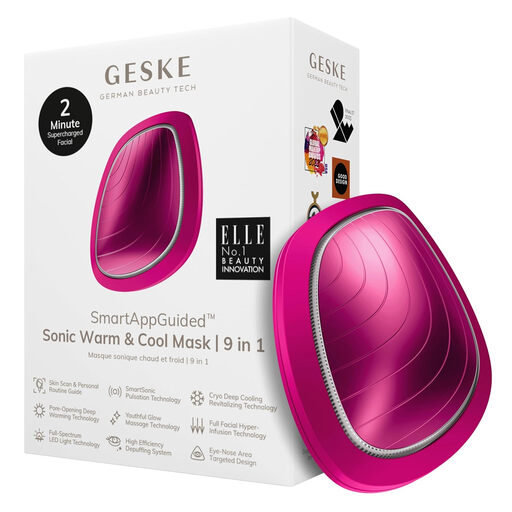
Why it suits this profile: An option for anyone looking to combine LED light with heat, cooling and sonic vibration in one at-home skincare device.
You can control the features in the app and choose specific modes. This makes it easier to find the right setting if you want more than LED light alone.
Cooling and heating functions, sonic vibration, eight LED colours, app control and magnetic charging cable.
We’ve put together a complete, regularly updated list of products that meet these strict selection criteria and fully comply with the safety regulations in force in the EU.
Before use, clean your face and make sure it’s completely dry, unless the instructions say otherwise. Only apply skincare products under the mask if the manufacturer specifically recommends it. Take extra care with light-sensitive active ingredients.
Electricity costs for an LED face mask are usually modest when sessions are short. For a realistic estimate, consider power consumption in watts, how long you use it and your electricity tariff. Replacement parts, charging accessories and battery life are often more important than energy use.
It depends on the programme and the instructions for your device. Some are designed for daily use over a set period, while others call for shorter or less frequent sessions. Using the mask for longer than recommended won’t necessarily make it more effective.
No. If your skin is inflamed, broken or infected, or you have a light-sensitive condition, don’t use the device without checking first. Photosensitising medication may also make it unsuitable. If you’re unsure, seek medical advice.
Its lifespan depends on the materials, battery, charging cycles, care and proper storage. Clean the device after each use as instructed, and don’t use it while it’s charging if the instructions say not to. Signs such as damaged cables, unusual heat or faulty LEDs mean you should stop using it straight away.