
Lieferung heute & morgen

Qualitätsgarantie

Willkommens-Angebote freischalten: KOSTENLOSE Lieferung | Bis zu 80 % RABATT | Kostenlose 30-Tage-JoyPlus-Testphase
App herunterladen
Choosing an e-scooter for your daily commute or for city trips can significantly simplify urban mobility. However, the market is filled with models whose marketing promises often suggest more than what they actually deliver. As a Joybuy Product Recommendation Officer, I'll help you identify the crucial features and avoid common purchasing traps, so you can make an informed decision.
Before diving into technical specifications, it's important to be aware of the most common marketing traps that can lead to disappointment and unnecessary expense.
To find a suitable road-legal electric scooter, you should focus on three core technical areas that define its practical value.
Two things are essential for legally operating an e-scooter on German roads:
Range is one of the most important factors, especially for e-scooters for commuters. Instead of relying solely on the manufacturer's stated kilometres, you should consider the battery capacity in watt-hours (Wh).
It's important to distinguish between vehicle classes:
Instead of making a one-size-fits-all recommendation, we have identified models tailored to specific needs.
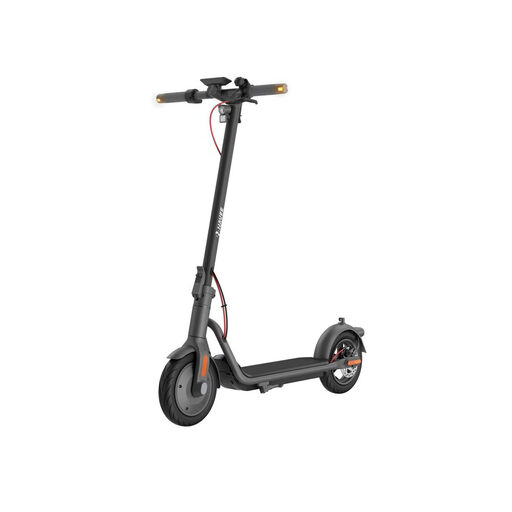
Why this model fits the profile: Ideal for anyone looking for a reliable and legal entry into e-mobility without a large budget. The range of up to 40 km is more than sufficient for most daily city trips.
This model is explicitly delivered with a German ABE, which eliminates legal uncertainty. The 10-inch pneumatic tyres offer better ride comfort than basic solid rubber tyres.
Solid base features with a dual braking system and a high load capacity of 120 kg, which is not a given in this price range.
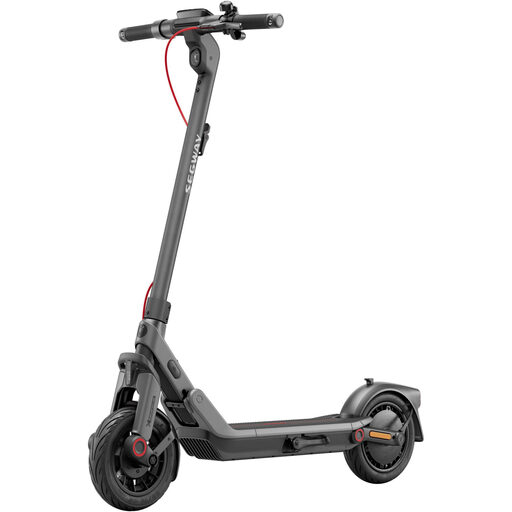
Why this model fits the profile: Designed for commuters who value comfort, reliability, and a practical, real-world range. The combination of suspension and self-sealing tyres makes it a robust companion for everyday use.
The front and rear suspension directly addresses the problem of poor ride comfort. According to the manufacturer, the range is specified with more detail (up to 55 km in Eco mode, 47 km at top speed), allowing for a more realistic assessment.
The Traction Control System (TCS) and Apple Find My integration offer an extra layer of security and functionality.
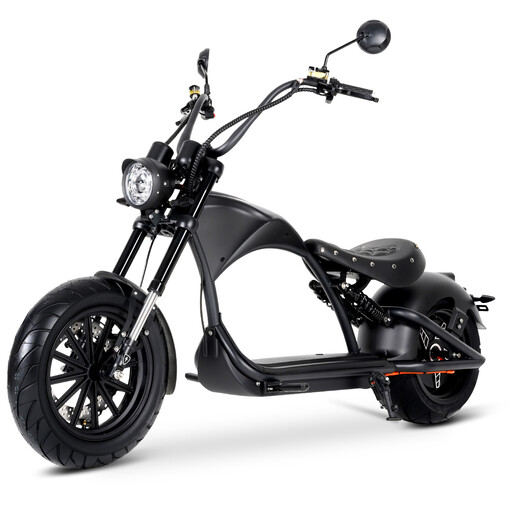
Why this model fits the profile: For riders for whom 20 km/h is not enough and who are looking for a full replacement for a 50cc petrol scooter. With a top speed of 45 km/h and a long range, it's ideal for keeping up with urban and suburban traffic.
This model belongs to the L1e-B vehicle class and comes with the necessary COC papers for registration. It clearly positions itself as an electric moped, not an e-scooter, thus avoiding confusion about legal requirements (license and helmet mandatory).
The powerful 2000W motor, removable 60V 30Ah battery, and front and rear hydraulic disc brakes offer performance and safety that go beyond that of standard e-scooters.
We have compiled a complete, up-to-date list of products that fully meet these strict selection criteria and German safety regulations.
For standard e-scooters, which are classified as small electric vehicles and do not exceed a top speed of 20 km/h, you do not need a driver's license. The minimum age for use on public roads is 14. For faster electric mopeds (e.g., up to 45 km/h), however, at least an AM-class driver's license is required.
The cost of the legally required third-party liability insurance is very affordable. Depending on the insurance provider and coverage, the annual premiums are typically between €20 and €40. The insurance period begins on March 1st of each year and ends on the last day of February the following year.
No, riding e-scooters on sidewalks, in pedestrian zones (unless explicitly permitted), or the wrong way down one-way streets is strictly prohibited. You must use cycle paths, cycle lanes, or shared pedestrian and cycle paths. If none are available, you must ride on the roadway.