
Lieferung heute & morgen

Qualitätsgarantie

Willkommens-Angebote freischalten: KOSTENLOSE Lieferung | Bis zu 80 % RABATT | Kostenlose 30-Tage-JoyPlus-Testphase
App herunterladen
Dry, chapped or cracked lips do not automatically require the most expensive product available. What matters is the formulation, the intended use and your personal tolerance. As a Joybuy Product Recommendation Officer, I filter product information according to clear criteria and explain what shoppers in the UK should look for when buying lip balm.
A natural lip balm may contain oils, waxes, honey or plant extracts. These ingredients are not inherently problematic, but they can still cause reactions on sensitive skin. Essential oils and fragrances are not suitable for everyone, either. That is why checking the complete INCI list is more important than relying on a prominent claim on the front of the pack.
Menthol, camphor, eucalyptus oil and methyl salicylate create a cooling sensation. This is not reliable evidence of better caring performance. On very sensitive or already irritated lips, such ingredients may cause tingling or irritation, according to manufacturers’ product warnings.
A tinted lip balm or lip oil can make your lips look shinier. However, colourants and fragrances are additional formulation ingredients. If you are mainly looking for lip care for chapped lips, you should first focus on protective waxes, oils, butters and well-tolerated humectants.
For dry lips, a combination of emollient and occlusive ingredients can be beneficial. These include:
A moisturising lip balm should not only promote water or plant extracts, but should also contain ingredients that help retain moisture on the surface of the lips.
Your lips are regularly exposed to the sun. A product labelled with values such as SPF 20, SPF 25 or PA+++ may be useful when spending time outdoors. Check that these values are stated on the actual packaging, and reapply the balm after eating, drinking or spending longer periods outdoors.
The stated UV protection should not be equated with complete sun protection for the face. In strong sunlight, additional protective measures such as staying in the shade and wearing a hat are advisable.
For lip balm for sensitive lips, fragrance-free varieties are often easier to assess. Even so, an unperfumed formulation can still cause individual reactions. If you have known allergies, check carefully for fragrances, lanolin, bee products, nut oils and certain plant extracts.
Stop using the product if redness, swelling, itching or burning occurs. Products labelled as medical or “medicated” are not automatically suitable for every skin concern. If symptoms persist or you have open sores, seek medical advice.
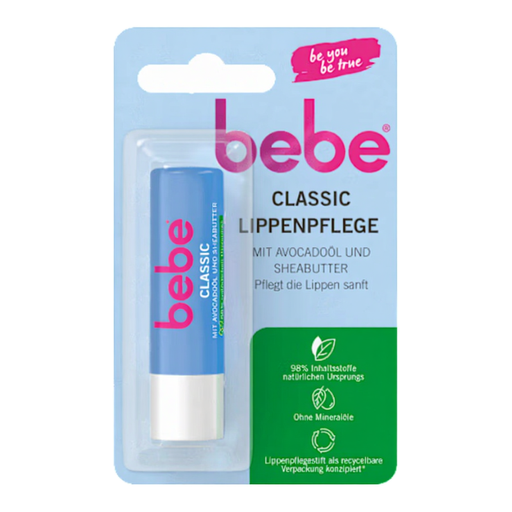
Why this product suits this profile: The classic stick format is suitable for everyday use and is easy to carry in a bag or jacket pocket. According to the product information, the formulation contains avocado oil and shea butter, as well as 98% ingredients of natural origin.
The product description names specific ingredients and does not claim UV protection that is not provided. This makes it easy to focus the choice on everyday lip care.
4.9 g content, avocado oil and shea butter; according to the product information, free from mineral oil and dermatologically tested for skin tolerance.
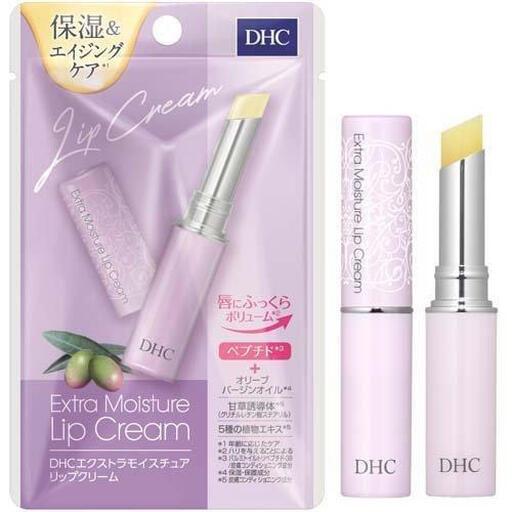
Why this product suits this profile: The compact 1.5 g size and the formulation, which the product description states is free from fragrance, colourants and preservatives, will appeal to shoppers who prefer a pared-back daily lip-care routine.
The product information clearly highlights the formulation features instead of placing colour or fragrance centre stage. Nevertheless, the complete INCI list should still be checked against the packaging before purchase.
Olive oil and squalane are listed as ingredients; according to the product description, it is free from fragrances, colourants and preservatives.
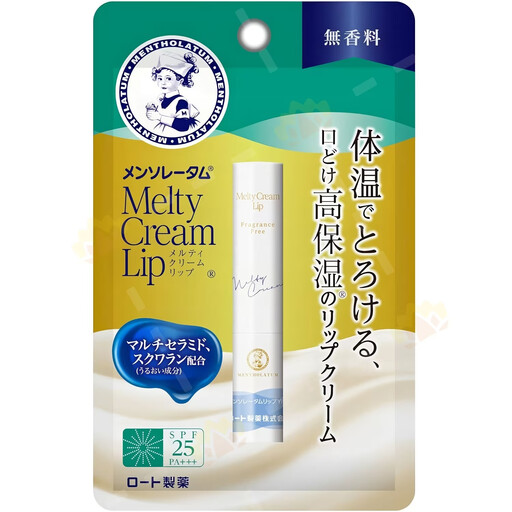
Why this product suits this profile: If you reapply frequently or want to use a balm as a lipstick base, the product information states that this fragrance-free formulation contains several ceramides and offers SPF25/PA+++.
The “fragrance-free” label helps narrow down fragrance as a purchasing consideration. The UV protection is specified clearly and should be applied and reapplied in accordance with the packaging instructions.
2.4 g content, several ceramides, fragrance-free product information and SPF25/PA+++ according to the description provided.
We have put together a complete, regularly updated list of products that fully meet these strict selection criteria and the safety regulations applicable in the EU.
Apply the balm in a thin, even layer. Reapplication may be necessary in very dry air, wind or after eating. Only twist sticks up by a few millimetres, as soft formulations may otherwise break.
Observe the best-before date or period-after-opening information shown on the packaging. Store lip care products in a cool, dry place away from direct sunlight. Do not continue using a product if its appearance has changed noticeably, it smells unpleasant or it is visibly contaminated.
For dry lips, formulations containing protective waxes, petrolatum, shea butter, squalane or plant oils may be suitable. If your lips are sensitive, pay particular attention to fragrances, menthol and essential oils. No blanket recommendation is possible, as individual tolerance is the deciding factor.
This depends on the weather, indoor climate and your personal preference. Applying it as needed is standard practice. For products with UV protection, reapply after eating, drinking or spending longer periods outdoors.
The information on the packaging is decisive, often shown as an open-jar symbol with a number of months. The period may vary depending on the formulation. Close the stick after each use and stop using it if its smell, colour or consistency changes noticeably.