
Lieferung heute & morgen

Qualitätsgarantie

Willkommens-Angebote freischalten: KOSTENLOSE Lieferung | Bis zu 80 % RABATT | Kostenlose 30-Tage-JoyPlus-Testphase
App herunterladen
Matcha powder is sold as a traditional green tea, a latte ingredient and a baking ingredient. However, there are clear differences between pure matcha powder, sweetened matcha latte powder and flavoured green tea powder. If you focus only on the bright green colour or terms such as “premium matcha”, you could end up buying a product that isn’t right for how you plan to use it.
This buying guide explains which details on the packaging and product page matter, and which options suit different everyday needs.
Ideally, pure matcha powder contains only ground tea. Matcha latte products, on the other hand, often contain sugar, sweeteners, milk powder or plant-based creamer powder. This makes them quick to prepare and creamy, but their taste and ingredients differ from those of pure tea.
Check the ingredients list to tell the difference:
The term premium matcha on its own isn’t a defined quality standard. More useful details include verifiable information such as the ingredients, country of origin, net weight, storage instructions and intended use. “Ceremonial matcha” shouldn’t be considered in isolation either. Your taste preferences, preparation method and the level of detail in the product description also matter.
Matcha’s vivid green colour can be striking, but it’s no substitute for checking the product details. A different type of matcha may be perfectly suitable for a matcha latte or baking recipes than for a simple preparation with water. So start by asking yourself: Do you plan to drink the powder on its own, or mainly use it as an ingredient?
The ingredients list for pure matcha powder should be as short as possible. According to its product description, “Matcha Powder 30g” is made from 100% matcha powder from tencha, with no sugar, fillers or added flavourings. This makes it a versatile option for tea, a vegan matcha drink, smoothies or baked goods.
With blends, the order of the ingredients is particularly important. If sugar or creamer powder is listed first, it’s a ready-made drink rather than pure tea. If you follow a vegan diet, check for milk ingredients and warnings about possible traces too.
If you’re specifically looking for organic matcha from Japan, check for clear organic certification and the stated country of origin. According to its product description, “JP Seiki Nakayama Premium Organic Matcha from Japan 30 g” is from Japan and is described as 100% organic green tea or matcha. The certification on the packaging you receive is the one that matters.
A product from Japan isn’t automatically organic, and matcha powder from outside Japan isn’t necessarily unsuitable for certain uses. Moyuan Matcha Powder is one example: according to its product description, it comes from China, is made from green tea powder and is specifically intended as an ingredient, for example in baking and desserts.
Matcha is sensitive to light, oxygen, heat and moisture. Smaller packs can be a sensible choice if you only use the powder occasionally. Larger packs are better value if you use matcha regularly or bake with it often, provided you seal the packaging airtight after each use.
Practical storage tips:
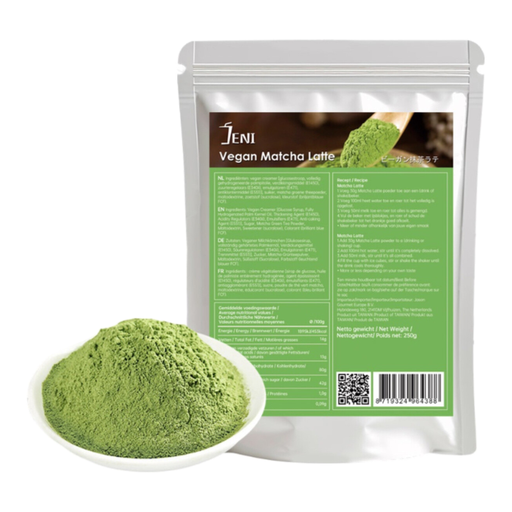
Why this product suits this profile: This plant-based instant powder is designed for an easy latte made with hot water or warm plant milk. The 250-g pack is a good choice if you’d like to try matcha in a sweetened drink mix first.
The product name makes it clear that this is a latte mix, not pure matcha powder. The ingredients and nutritional information indicate that it contains sugar and creamer powder.
Plant-based recipe according to the product description; prepare with two to three teaspoons per 200 ml of liquid.
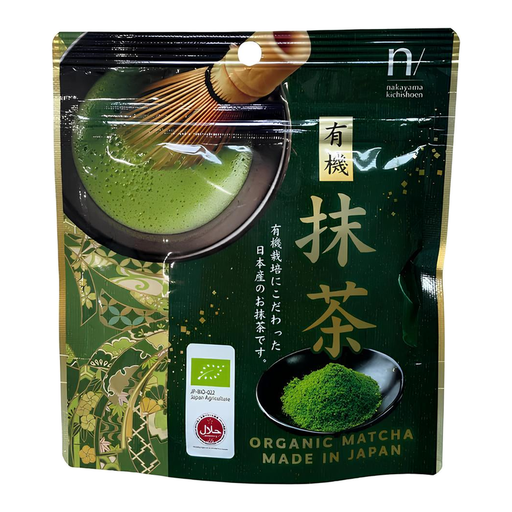
Why this product suits this profile: According to the product description, this is organic matcha from Japan, made from 100% matcha or tencha. The small pack is ideal for mindful tasting and occasional preparation.
The origin, ingredients and net weight are clearly stated. Check the organic certification on the packaging too when you buy it.
Japan is listed as the country of origin; no added flavourings or other ingredients according to the product description.
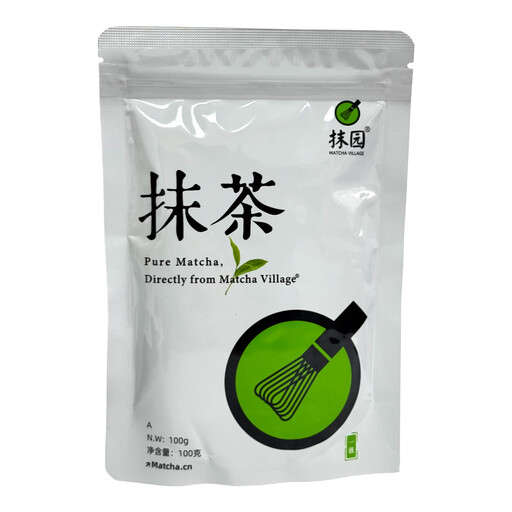
Why this product suits this profile: The 100-g pack is for anyone looking to use matcha in smoothies, baking, desserts, ice cream or as a flavouring ingredient.
The product description specifically says it’s intended for use as an ingredient. This sets clear expectations and avoids suggesting it’s exclusively for ceremonial tea.
100 g net weight; traditionally stone-ground and made solely from green tea powder according to the product description.
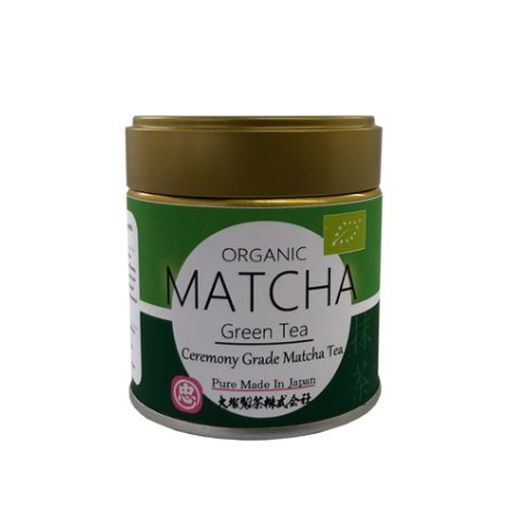
Why this product suits this profile: According to the product description, this is pure, stone-ground tencha powder from Japan. The 30-g pack is a manageable size if you’re focusing on traditional preparation to begin with.
The ingredients list contains only matcha powder made from tencha. According to the product description, it contains no sugar or fillers.
Suitable for whisking with water at around 80 °C; according to the product description, it can also be used in lattes, smoothies and baking recipes.
We’ve put together a complete, regularly updated list of products that meet these strict selection criteria and fully comply with the safety regulations in force in the EU.
For traditional preparation, one to two grams of powder are usually mixed or whisked with water that isn’t boiling. A bamboo whisk or small milk frother can help break up any lumps. Unsweetened oat, soya or almond drinks work well for a vegan matcha drink; follow the dosage instructions for ready-made latte mixes.
For matcha in smoothies and baking, first mix the powder with a little liquid until smooth. This helps it blend more evenly into your batter or drink. If you’re using a sweetened latte mix, you usually won’t need to add extra sugar.
This depends on the packaging, best-before date and storage conditions. Once opened, matcha should be kept airtight, in a dark, dry place and used within the recommended period. Changes in colour, smell or taste may be signs that its quality has started to decline.
No. Pure matcha powder usually contains only ground tea and may be suitable for a vegan diet. Matcha latte powder, however, may contain milk ingredients. Always check the ingredients list and allergen information before buying.
It depends on how much you use each time. With a typical serving of around one to two grams, a 30-g pack will make several drinks. Latte mixes are often used in larger portions, but contain extra ingredients. Comparing the price per 100 g and per serving gives you a better guide than looking at the pack price alone.