
Lieferung heute & morgen

Qualitätsgarantie

Willkommens-Angebote freischalten: KOSTENLOSE Lieferung | Bis zu 80 % RABATT | Kostenlose 30-Tage-JoyPlus-Testphase
App herunterladen
The selection of matcha powder on the market can quickly become overwhelming. From vibrant green tins promising authentic Japanese green tea to convenient instant mixes for a quick matcha latte—the range is vast. However, not every product lives up to its packaging's promise. Many consumers invest in expensive powder only to find it tasteless or full of unwanted additives.
This guide will help you recognize the common pitfalls and make an informed decision. We focus on the objective criteria that truly matter, so you can find the perfect matcha powder for your needs, whether it's for your daily cup of tea, a creamy latte, or for baking.
Before we dive into the selection criteria, it's important to know the most common marketing traps that often lead to disappointment.
To find the right product, you should check three core parameters. These will help you objectively assess the quality and suitability of a matcha powder.
Your first decision should be based on its planned use. The products can be divided into two main groups:
A look at the details reveals a lot about the quality:
Here are some recommendations tailored to different needs and usage scenarios.
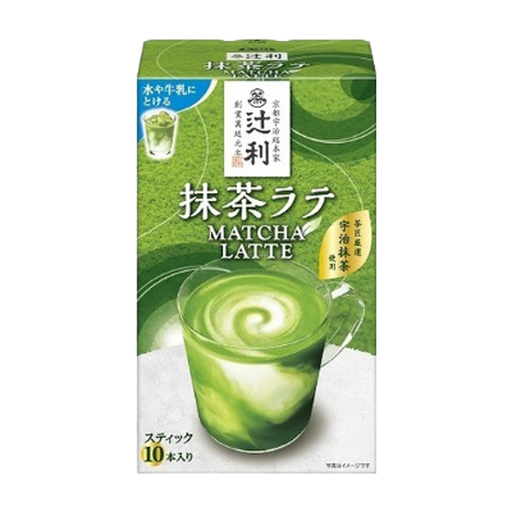
Why this product is a great fit: Ideal for those looking for a quick and easy coffee alternative for the workplace or on the go. The pre-portioned sticks guarantee consistent flavor quality without any measuring.
This product avoids the sugar trap by offering a balanced mix where the matcha flavor (≥2% matcha content, according to the manufacturer) takes center stage and isn't overpowered by excessive sweetness.
The matcha sticks are extremely convenient: simply mix with hot or cold water or milk, stir, and it's ready. No extra equipment needed.
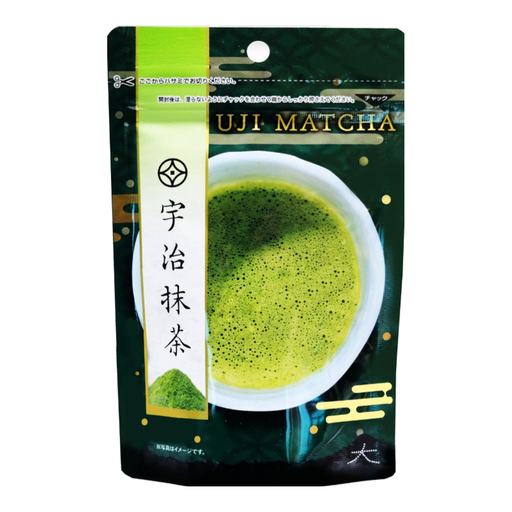
Why this product is a great fit: For anyone who wants to experience the pure, unadulterated taste of matcha. Perfect for preparing a traditional matcha tea or as a high-quality base for your own latte creations and for matcha for baking.
This product bypasses the "Ceremonial" and Origin traps through transparency. It consists of 100% green tea and is verifiably from Uji, Japan's most renowned tea region.
Authentic, pure flavor with no additives. Its quality allows for both pure enjoyment and use in sophisticated recipes where the delicate matcha flavor is meant to shine.
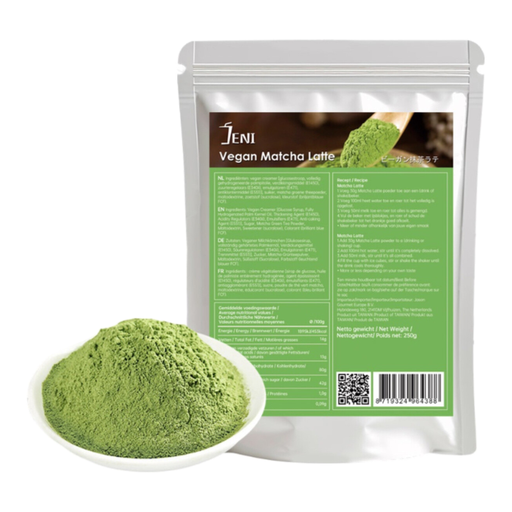
Why this product is a great fit: Specially developed for consumers who follow a plant-based diet or avoid lactose. This mix offers the creamy enjoyment of a matcha latte without relying on animal products.
This product solves a clear problem: many instant mixes contain milk powder. The explicit "vegan" label and the use of a plant-based creamer provide transparency and peace of mind for the target audience.
The all-vegan recipe delivers a creamy latte experience without compromise. It's quick and easy to prepare with hot water or a plant-based milk alternative.
We have compiled a complete, up-to-date list of products that fully meet these strict selection criteria and local regulations.
You can recognize high-quality matcha powder by several features: a vibrant green color, a very fine, almost dust-like texture without clumps, and a fresh, slightly sweet and grassy aroma. Lower-quality powder is often yellowish or brownish and smells dull. An origin from Japan, especially from regions like Uji or Nishio, is also a strong indicator of quality.
The main difference lies in the quality and flavor profile. Matcha for the tea ceremony (often called "ceremonial grade") is made from the youngest, most delicate tea leaves of the first harvest. It is extremely finely ground and has a complex, sweet umami flavor with little bitterness. Matcha for baking ("culinary grade") typically comes from later harvests, is more robust and bitter in taste so it can stand up to other ingredients like flour and sugar. It is also usually more affordable.
Matcha is very sensitive to light, air, heat, and moisture, as these factors can quickly degrade its color and aroma. After opening, the tin or bag should always be sealed tightly and stored in a cool, dark place. For longer shelf life, it is recommended to store it in the refrigerator in an airtight, opaque container.