
Lieferung heute & morgen

Qualitätsgarantie

Willkommens-Angebote freischalten: KOSTENLOSE Lieferung | Bis zu 80 % RABATT | Kostenlose 30-Tage-JoyPlus-Testphase
App herunterladen
Metal cutting dies for card making and scrapbooking are ideal for greeting cards, photo albums, gift wrapping and decorative paper crafts. However, the design alone isn't everything. The right size, compatibility with your existing die-cutting machine and the material thickness all determine whether a die will work reliably in everyday use.
Many products list numerous possible uses but leave out important details. Here are the points crafters should pay particular attention to:
Metal cutting dies should have a clearly defined outline and sufficiently sturdy bridges. With flower cutting dies, leaves or intricate decorative dies, narrow gaps are especially important. The more detailed the design, the more you need to consider:
For cards and scrapbook pages, thin craft card, construction paper and patterned paper are typical materials. Very thick card may need several passes through the machine, depending on the model.
Before ordering, check the outer dimensions of the die and the maximum working width of your machine. The height of the material is also relevant, as some machines only accept certain cutting plates or sandwich combinations.
With paper cutting dies and embossing dies, you should also be clear about whether the product is intended for manual or electric machines. A die for a manual die-cutting machine cannot automatically be used with an electric cutter. An electric cutter, in turn, is designed for freehand cuts in suitable materials and does not replace a precision die-cutting machine.
Sharp metal edges and cutting tools should be kept out of the reach of children. After use, remove any paper fibres and material residue. With a craft knife, retract the blade fully. For battery-powered tools, follow the charging instructions, locking mechanism and safe blade-changing procedure.
When buying an electric cutting tool, technical specifications such as speed, battery voltage, run time, weight and blade type are more informative than general marketing claims. The actual run time depends on factors including the material, pressure and cutting length.
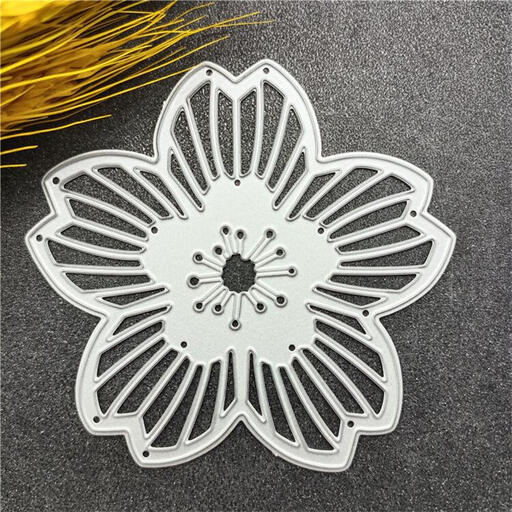
Why this product suits the profile: The floral design is intended for classic greeting cards, paper decorations and simple scrapbooking projects. It's a great starting point for working with a compatible die-cutting machine.
The clearly recognisable design makes it easier to choose the right paper and card. However, you should still check the machine dimensions before buying.
Floral design for cards and albums; designed as a metal die for use with a suitable die-cutting machine.
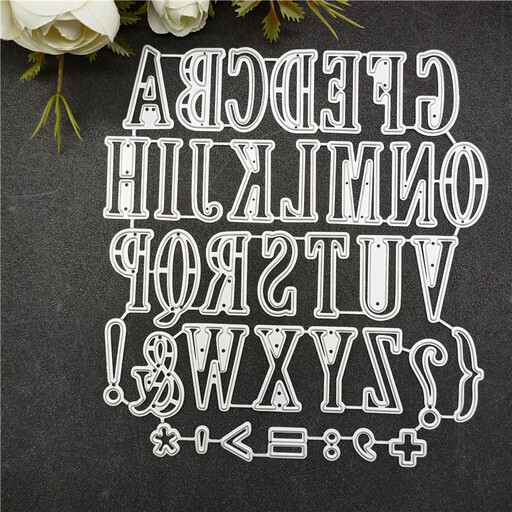
Why this product suits the profile: A complete set of 26 capital letters supports personalised cards, names, headings and album pages.
The letters are described as a matching set. This means you don't have to combine frequently used characters from different product ranges.
26 capital letters; suitable for text design on cards, paper crafts and scrapbooking albums.
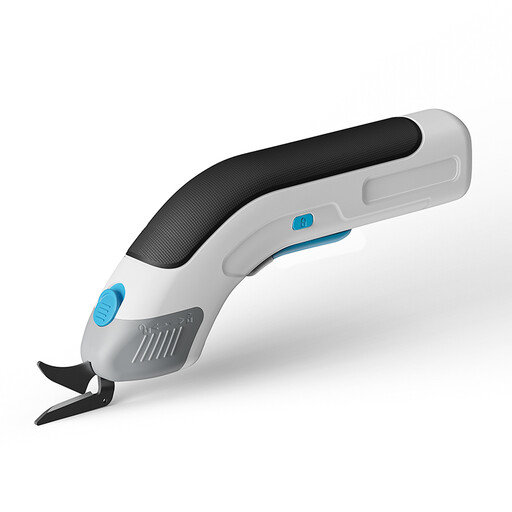
Why this product suits the profile: This battery-powered tool is aimed at people who want to cut felt, leather, plastic or carpet as well as paper and card.
The product details state 11,000 rpm, a 4.2-volt battery, USB-C charging and an integrated safety lock. For delicate paper details, a cutting die remains the better choice.
Pointed blade for edges and corners; stated weight of 0.2 kg; blade change at the push of a button.
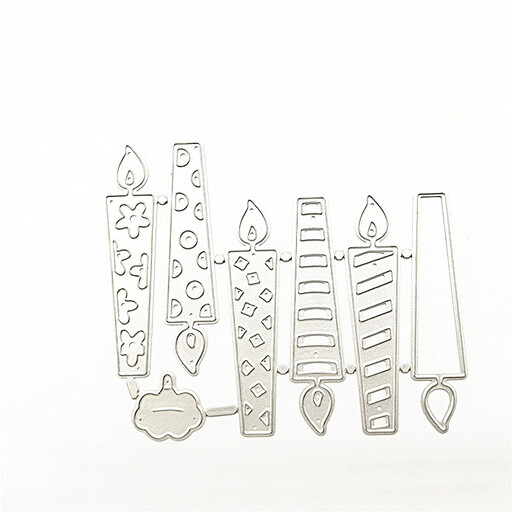
Why this product suits the profile: The candle design is aimed at congratulations cards, birthday cards, weddings and decorative occasions.
The clearly defined theme makes it easy to match the design to your planned project and reduces the risk of buying the wrong general decorative die.
Design for birthday, wedding and congratulations cards; described as a metal cutting die and embossing template for suitable machines.
We've put together a complete, regularly updated list of products that fully meet these strict selection criteria and the safety regulations in force in the EU.
For cards, choose designs with clear outlines and a size that suits the card format. Flowers, leaves, letters, candles and Christmas motifs can often be combined with each other. Machine compatibility and the paper weight you use remain the deciding factors.
That depends on the individual product description and the machine you're using. Some dies are designed for cutting only, while combined models can also create an embossed effect. A pure cutting die should not be used without a suitable embossing mat.
It's impossible to give a general lifespan. It depends on the material quality, the machine pressure, the paper thickness and how you store them. Keeping them dry, removing the cut pieces carefully and cleaning off paper residue can help maintain their usability. If you cut card frequently, check the die regularly for bent or damaged areas.