
Lieferung heute & morgen

Qualitätsgarantie

Willkommens-Angebote freischalten: KOSTENLOSE Lieferung | Bis zu 80 % RABATT | Kostenlose 30-Tage-JoyPlus-Testphase
App herunterladen
By a Joybuy Product Recommendation Officer, August 29, 2026
A stovetop espresso maker, often called a moka pot, is the epitome of Italian coffee culture for many coffee lovers. The characteristic gurgle and the aroma of freshly brewed coffee promise a moment of authentic pleasure. However, the purchasing process has a few pitfalls that can quickly lead to frustration and a bad buy. Before you choose a model, you should be aware of the most common mistakes to ensure you find a durable and suitable Italian coffee pot for your kitchen.
The three most common pitfalls when buying a moka pot are:
This guide will help you navigate these issues and make an informed decision.
To find the right stovetop espresso maker, three technical parameters are crucial. Carefully considering these features will ensure the device matches your needs and your kitchen setup.
The material affects not only the look and feel but also the functionality and durability of the pot.
The size specification on moka pots is one of the most common sources of misunderstanding. The term "cups" refers to small espresso cups, each with a capacity of about 30 to 50 ml (1 to 1.7 oz).
Therefore, measure your needs not in coffee mugs, but in the desired final volume of strong moka coffee.
Not every moka pot works on every hob. This is the most critical technical detail to check before buying.
Here are a few recommendations tailored to different user profiles and their specific requirements.
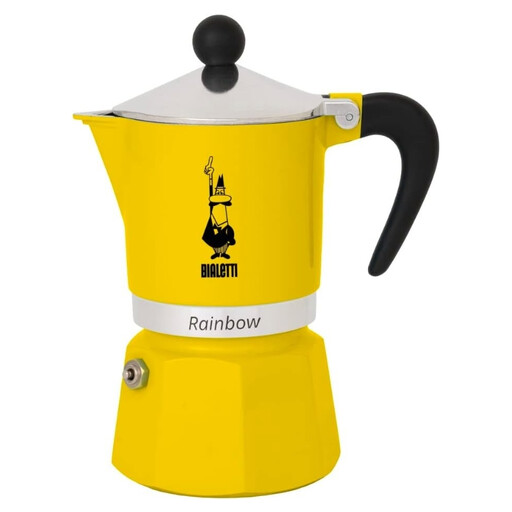
Why this model is a great fit: Perfect for anyone who wants to combine the iconic design of the Bialetti Moka Express with a modern pop of colour. The 3-cup size is ideal for enjoying coffee alone or with a partner and serves as an excellent entry point into the world of moka pots.
The 3-cup size is a common standard, preventing miscalculations of the coffee volume. As an aluminium model, it is clearly specified for gas and electric hobs, thus avoiding the induction compatibility trap.
Combines the original "Made in Italy" design (according to the manufacturer) with a cheerful colour. Simple to use with proven quality.
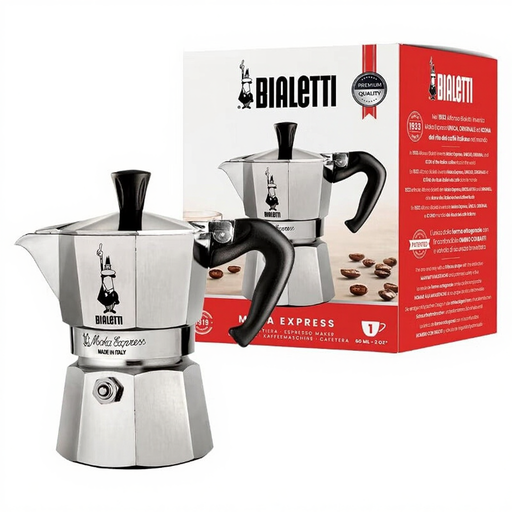
Why this model is a great fit: The classic for daily use. With a capacity of about 270 ml, this 6-cup espresso maker provides enough coffee for the family at the breakfast table or for a small coffee gathering with friends. A robust workhorse.
The size is clearly designed for a multi-person household, preventing disappointment over too little coffee. The proven Bialetti quality, featuring a patented safety valve, ensures a long service life.
Large capacity for daily needs. The durable aluminium construction ensures even heat distribution and a classic brewing result.
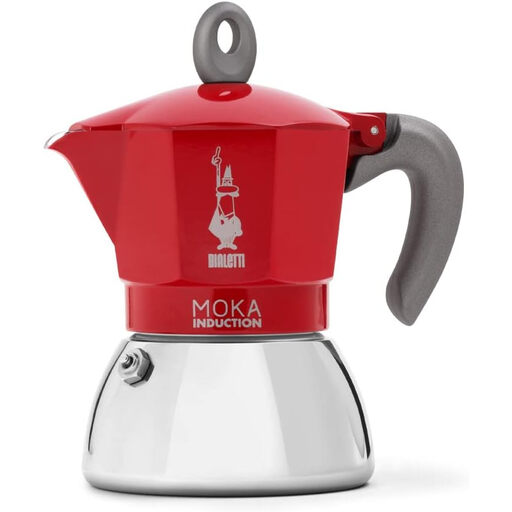
Why this model is a great fit: This model was specifically designed for modern kitchens with induction hobs. It combines the traditional brewing method and the octagonal design of the upper chamber with a stainless steel boiler that is suitable for all hob types.
It solves the compatibility problem directly, without needing an extra adapter. This espresso maker for induction works on all hob types, making it a future-proof purchase.
Maximum flexibility thanks to its suitability for all hob types. The bi-material construction (stainless steel boiler, aluminium collection chamber) combines the advantages of both materials.
We have compiled a complete, up-to-date list of products that fully meet these strict selection criteria and safety standards.
Most manufacturers, especially for aluminium models, recommend cleaning with only warm water. After the pot has cooled, disassemble it into its three parts (boiler, filter funnel, and collection chamber) and rinse all parts thoroughly. Do not use dish soap or abrasive sponges, as these can damage the protective inner patina and affect the coffee's taste. Allow all parts to air-dry completely before reassembling to prevent corrosion.
A bitter taste can have several causes. Common reasons include:
There is no one-size-fits-all answer; it depends on your personal priorities.