
Lieferung heute & morgen

Qualitätsgarantie

Willkommens-Angebote freischalten: KOSTENLOSE Lieferung | Bis zu 80 % RABATT | Kostenlose 30-Tage-JoyPlus-Testphase
App herunterladen
PDRN skincare is a prominent part of Korean skincare and K-beauty. Terms such as ‘Salmon DNA’, PDRN Collagen, exosomes and ‘Skin Renewal’ may sound impressive, but they don’t tell you much about how suitable a product is for everyday use. What matters is the full INCI list, the product format and whether the texture fits into your skincare routine.
If you want to give dry, dull, sensitive or mature skin some extra moisture, it’s worth knowing about a few common marketing pitfalls before you buy.
A claim such as ‘99% PDRN’ may seem clear, but it can be used in different ways depending on the product description. Check whether it refers to the concentration in the finished product or just one ingredient in a raw material blend. Sodium DNA, or PDRN, should also actually appear in the INCI list.
PDRN is a cosmetic term for certain DNA fragments. In skincare formulas, it’s usually combined with humectants, peptides, collagen or soothing ingredients. Cosmetic skincare is not a substitute for medical treatment and should not be promoted with claims that it heals or treats conditions.
PDRN Exosomes, PDRN Collagen and peptides are often mentioned together. That doesn’t automatically mean every product has the same formula or is designed for the same purpose. A serum, for example, may contain niacinamide, hyaluronic acid and panthenol to support hydration, while a cream may focus more on caring for the skin barrier and a mask on intensive care for a limited time.
So check the actual product type and where the ingredients appear in the list. Marketing terms such as ‘Glow’, ‘firming facial skincare’ or ‘skin renewal’ should be understood as descriptions of cosmetic aims, not guaranteed results.
Using toner pads, a PDRN serum, a retinoid alternative, acids and exosome products in the same routine can mean combining more potentially irritating ingredients than necessary. It’s best to introduce products gradually, particularly if they contain fragrance, essential oils, retinol, bakuchiol or exfoliating ingredients.
Do a patch test before using a product regularly, and introduce new products one at a time. Stop using the product if redness, burning, swelling or itching persists.
A clear formula matters more than an eye-catching product name. Glycerin, hyaluronic acid, panthenol, ceramides and squalane may be worth looking for if you have dry skin. If your skin is sensitive, check for fragrance, essential oils and alcohol. Ingredients derived from fish, such as Salmon DNA or Salmon Egg Extract, are also worth checking if you have a relevant sensitivity or follow a vegan lifestyle.
Ingredient lists can change, so always check the packaging of the product you receive. Also check the expiry date, batch number, PAO symbol and the responsible person in the EU.
PDRN products are generally applied after cleansing. Toner or toner pads can follow, then serum or ampoule, and finally face cream. In the morning, finish your routine with a suitable sunscreen.
Using more product won’t necessarily make your skin feel better. Applying a thin, even layer of serum or cream helps avoid a sticky finish. Close the lid tightly on toner pads to stop them drying out. Use opened single doses according to the manufacturer’s instructions.
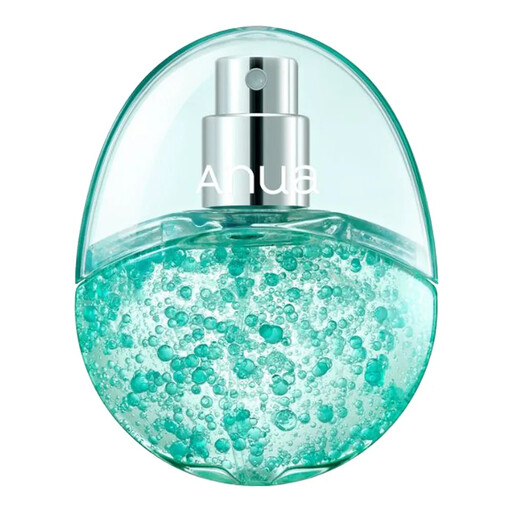
Why it suits this profile: The spray is easy to add to an existing routine and can be used before or after make-up.
The formula lists PDRN, several forms of hyaluronic acid and panthenol, rather than relying on a single ingredient claim.
30ml spray format, easy to use and leaves skin feeling non-sticky, according to the product description.
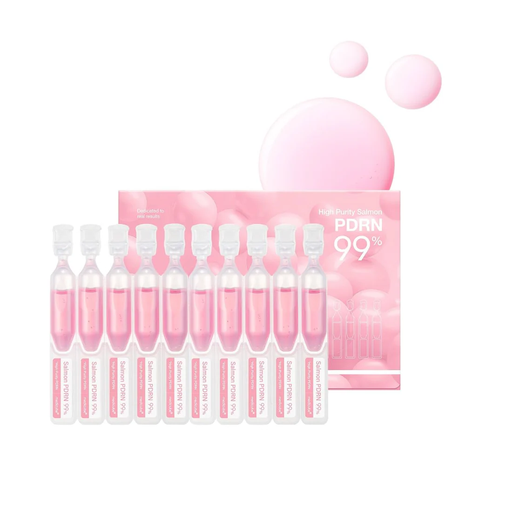
Why it suits this profile: The individual ampoules will appeal to shoppers who prefer measured doses, hygienic packaging and a clearly structured routine.
Each dose is clearly measured. According to the product information, any remaining liquid should be used within a day.
Ten single doses containing PDRN, niacinamide, panthenol, collagen and several forms of hyaluronic acid.
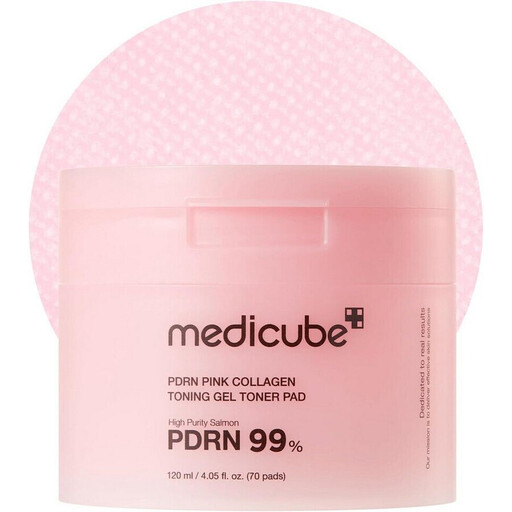
Why it suits this profile: The 70 pads are ideal for anyone looking to add a quick skincare step to their routine regularly.
The pads are designed to wipe over the skin or be left briefly on dry areas. This lets you adjust how long they stay in contact with your skin.
70 pads in a ready-to-use format, with PDRN, hydrolysed collagen, niacinamide and adenosine.
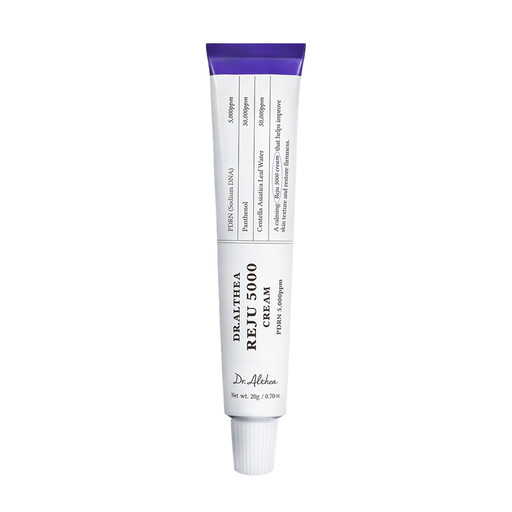
Why it suits this profile: This cream is designed to be used as the penultimate or final step, making it a good fit for pared-back evening routines.
The formula combines Sodium DNA with Centella water, panthenol and several forms of hyaluronic acid, with the ingredients clearly listed.
20 ml, a lightweight, non-sticky texture according to the product description, and several moisturising ingredients.
We’ve put together a complete, regularly updated list of products that meet these strict selection criteria and the safety requirements in force in the EU.
In cosmetic product descriptions, PDRN usually refers to Sodium DNA, or polydeoxyribonucleotides. A PDRN serum often combines this ingredient with glycerin, hyaluronic acid, niacinamide, peptides or panthenol. The exact formula and how well it suits your skin will depend on the product.
An ampoule is usually applied to the face and neck after cleansing and, if you use one, toner. Follow with a moisturiser. If you’re using single doses, follow the storage instructions and guidance on how soon to use them after opening. A patch test is a good idea if you have sensitive skin.
Check the expiry date, batch number and PAO symbol on the packaging. Store opened products in a cool, dry place away from direct sunlight. Keep toner pads tightly sealed, and use opened ampoules promptly according to the manufacturer’s instructions.