
Lieferung heute & morgen

Qualitätsgarantie

Willkommens-Angebote freischalten: KOSTENLOSE Lieferung | Bis zu 80 % RABATT | Kostenlose 30-Tage-JoyPlus-Testphase
App herunterladen
Whether you’re planning a garden party, a camping trip, a wedding or catering for customers, plastic cups and tumblers vary considerably in their material, capacity, sturdiness and reusability. A polished product image alone won’t tell you whether a drinking vessel is right for the occasion.
Three common buying mistakes can lead to unnecessary expense:
Check the material, size and cleaning instructions before buying to avoid the wrong choice and work out how many packs you’ll need.
Plastic cups and tumblers are made from PS, melamine and other plastics. The material affects weight, appearance, shape retention and care requirements.
For items that come into contact with food, check the manufacturer’s information, intended-use guidance and the labelling on the specific product. For hot drinks, it’s important to check that the product is explicitly stated as suitable.
Choose a size to suit the serving and type of drink:
Also consider how much room you’ll need for ice cubes, fruit or a drinks mixer. A cup filled to the brim is usually less practical day to day than one with a little room to spare.
For events with lots of guests, stackable drinking cups are easy to store and take up less space. A consistent shape also makes serving easier and gives your party a coordinated look.
With plastic cocktail glasses, the base and grip are worth considering. Faceted or square designs can look decorative, but need enough space during transport and in the dishwasher. Clean new drinking vessels according to the manufacturer’s instructions before first use. For reusable options, don’t overlook temperature limits or any restrictions, such as whether they’re suitable for microwave use.
The selection below groups specific products by common shopping needs. Capacity, material and product details are provided as a practical guide.
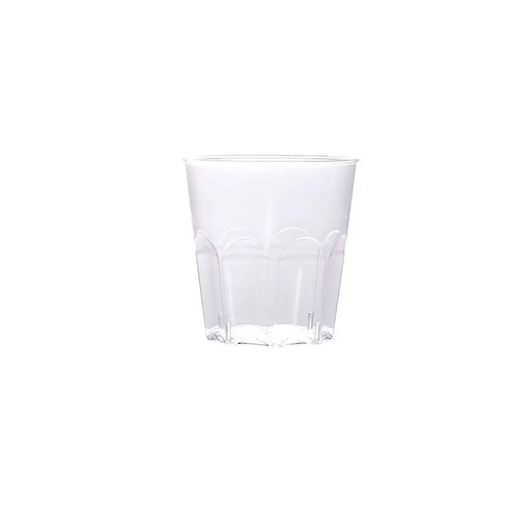
Why this product suits this need: The pack of 50 cups, each with a capacity of 200 ml, is designed for larger groups, club events or straightforward drinks service.
The stated quantity and capacity make it easier to plan how many you’ll need. If you plan to reuse them, check the manufacturer’s specific instructions.
50 cups per pack, a capacity of 200 ml and an octagonal shape.
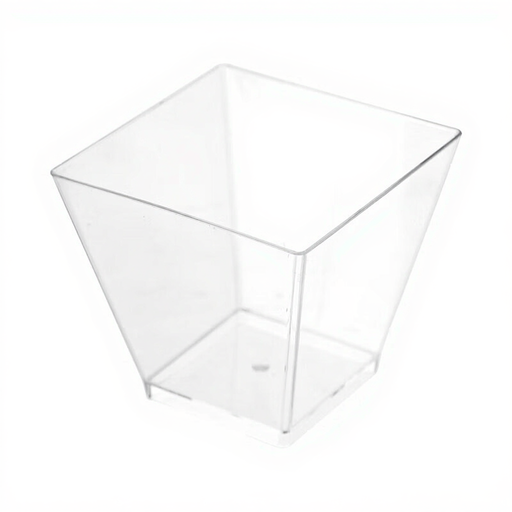
Why this product suits this need: This set of 12 matching square glasses is ideal for hosts who want a coordinated look when serving small cocktails, liqueurs or desserts.
The specific 60 ml capacity makes it clear that these aren’t large drinking glasses. The description says they’re made from shatterproof plastic, but you should still check the care instructions.
12 matching glasses, a square shape and a 60 ml capacity for smaller servings.
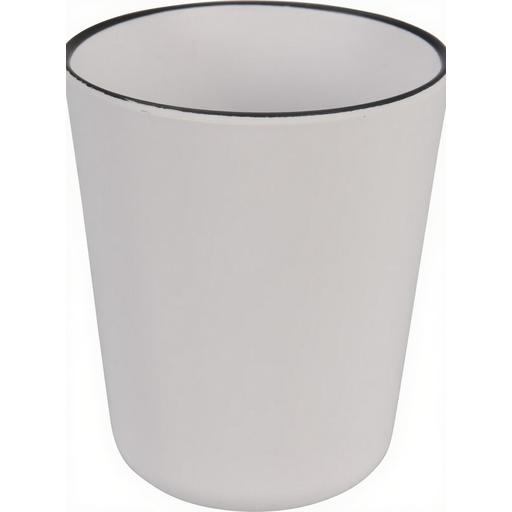
Why this product suits this need: This lightweight, stackable white melamine mug has a 450 ml capacity, making it suitable for camping, picnics, travel and everyday use.
The product details specify the material, dimensions, capacity and suitability for cleaning at up to 70 °C. This makes it easier to check whether it works with your existing equipment.
450 ml capacity, stackable design, melamine construction and stated dishwasher suitability up to 70 °C.
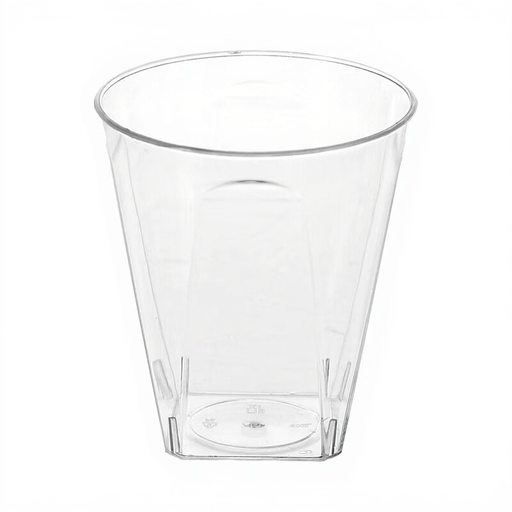
Why this product suits this need: The set of 20 faceted plastic glasses, each with a capacity of 6 cl, offers a coordinated option for cocktails, shots and small drinks at parties or events.
The pack size and clear 6 cl capacity make planning easier. The product description says the glasses are reusable and shatterproof, but recommends them mainly for cold drinks.
20 glasses, a faceted finish, a 6 cl capacity and, according to the product description, a design intended for reuse.
We’ve put together a complete, regularly updated list of products that meet these strict selection criteria and fully comply with the safety regulations in force in the EU.
It depends on the material and the manufacturer’s guidance. Only use a plastic cup for hot drinks if it’s explicitly stated to be heat-resistant. For melamine, follow the care and temperature guidance for the specific product.
There’s no fixed lifespan that applies to every cup. Frequent washing, high temperatures, scratches and heavy use can all shorten its usable life. Check cups for cracks, warping and cloudy patches before each use.
Disposable cups can make cleaning and collection easier at one-off events. Reusable plastic cups are easier to plan for if you use them regularly, but they need storage space, cleaning and suitable logistics. When working out the cost, consider not only the price per cup but also washing, transport, replacements and disposal.