For most teenagers, a protein bar isn’t a necessary protein supplement: the Federal Centre for Nutrition generally considers additional protein products unnecessary for them. As an occasional, portable snack, a bar can fit into the school day or around sports, but it shouldn’t replace a balanced packed lunch. When choosing one, check the details for the specific variety, particularly the portion size, ingredients and allergens.
Who is this relevant to?
Pupils with a long school day
A bar can be packed as an extra snack for break time. If you’re planning to use it to replace lunch altogether, it’s worth thinking again: the German Nutrition Society stresses the importance of a balanced diet for children and teenagers.
Teenagers who are active in recreational sport
A handy snack can be useful after PE or training. However, fitness marketing alone isn’t a reason to assume you need extra protein, as the Federal Centre for Nutrition explains in its guidance on high-protein products for teenagers.
Vegan teenagers or those with allergies
The specific variety matters: choosing a plant-based protein source doesn’t answer questions about wheat, soya, peanuts or possible traces of allergens. So, before buying, compare the ingredients and allergen information.
What should you look for when choosing?
First decide whether you need a packed lunch or just an extra snack. Then compare individual bars by portion size, ingredients and labelling.
| What you need |
What to check |
Who it matters to |
| Food for break time |
Check that the bar is only an addition to your planned lunch; compare portion sizes and nutritional information. |
If the school day is long, I want something portable for break time without using it to replace a whole meal. For around 38% of consumers, planning food for break time comes first. |
| Snack after sport |
Compare protein figures per bar and per 100 g; don’t choose a portion based only on the claims on the front of the pack. |
After training, I want a convenient snack, but I don’t want to buy extra protein just because of a fitness claim. Around 37% of consumers prioritise this practical use. |
| Ingredients and dietary suitability |
Check the ingredients list, allergen information and sweetener details for the specific variety. |
If you follow a vegan diet or have an allergy to consider, the specific recipe needs to be suitable before taste or protein content becomes a priority. This matters most to around 25% of consumers. |
Which mistakes can you avoid?
-
Planning to use a protein bar as your whole packed lunch
A bar with a stated protein content doesn’t automatically make a balanced school meal. The German Nutrition Society stresses the importance of a balanced diet for children and teenagers.
Plan lunch separately and use the bar, if at all, as an extra snack.
-
Taking “High Protein” to mean you personally need more protein
The term describes a property of the food, not the protein needs of a pupil. The Federal Centre for Nutrition considers additional protein products unnecessary for most teenagers.
Compare protein per portion alongside the portion size, other nutritional information and the intended role of the snack.
-
Overlooking allergens in vegan bars
“Vegan” doesn’t mean “allergen-free”. The Vegan Caramel Peanut variety described by Barebells contains protein from wheat and soya, as well as peanuts.
If you have allergies, check the ingredients and allergen information for the specific flavour, including any warnings about possible traces.
-
Ignoring information about sweeteners
Barebells lists maltitol and maltitol syrup in Vegan Caramel Peanut and warns that excessive consumption may have a laxative effect. This information applies to this variety and shouldn’t be assumed to apply to all bars.
Check the ingredients and consumption guidance on the relevant pack, particularly if you’re planning to have more than one bar in a day.
Brands and product ranges to consider
These product ranges can help you compare portion sizes, protein sources and ingredients. A brand’s claims about a range don’t necessarily apply to every flavour.
Barebells
Barebells offers classic, softer and vegan protein bars. The brand lists different amounts of protein per bar for its various ranges.
- The separate ranges make it easier to look for a particular type of bar or a plant-based option.
- Ingredients and allergens vary by flavour: for Vegan Caramel Peanut, Barebells lists wheat, soya and peanuts, as well as possible traces of other allergens.
ESN
ESN describes its Designer Protein Bar as an on-the-go snack and lists 14–15 g of protein per 45-g bar, depending on the flavour.
- The portion weight and flavour-specific protein figures make it easy to compare options within the range.
- According to ESN, the range is made with milk protein, so it isn’t suitable for a vegan diet.
foodspring
foodspring offers Protein Bars alongside other protein snacks.
- The different snack formats can be compared according to how you plan to use them.
- For a comparison of protein content, ingredients and allergens, check the label on the specific product.
Protein bars on Joybuy
This selection includes individually portioned protein bars that could work as an extra snack on the go or after sport, as well as an option labelled vegan. None of these bars should be treated as a complete meal replacement for a packed lunch. If you’re buying one for a pupil, also check the age and consumption guidance on the specific pack.
 No image available
Premier Protein 50% Bar Chocolate Caramel, 16 × 40 g
Consider this as an individually portioned extra snack on the go, not as a replacement for a packed lunch. The product name states that the pack contains 16 bars of 40 g each; if you have allergies or the bar is for a teenager, follow the information on the specific pack.
View on Joybuy
 No image available
Barebells Vegan Protein Bar Peanut Caramel, 12 × 55 g
This variety, labelled vegan, could work as an occasional extra snack if its ingredients suit your diet. The product name states that the pack contains 12 bars of 55 g each. Vegan doesn’t mean allergen-free, so check the ingredients, any warnings about traces and the consumption guidance on the pack.
View on Joybuy
 No image available
Barebells Protein Bar Cookies & Cream, 12 × 55 g
An individually portioned bar for anyone looking to take an extra snack with them. The product name states that the pack contains 12 bars of 55 g each. Check the ingredients, allergen information and consumption guidance for this variety on the pack, particularly if it’s for a teenager.
View on Joybuy
 No image available
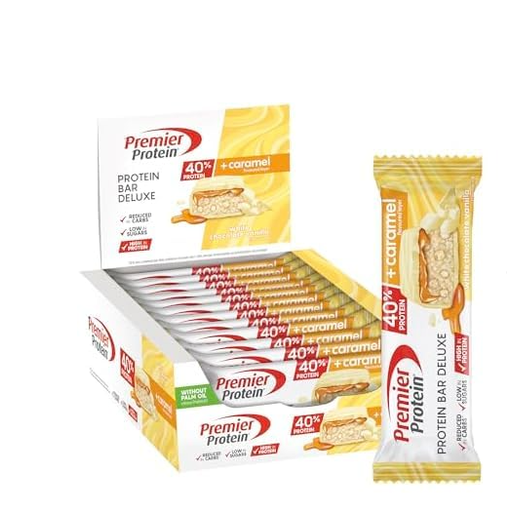
Premier Protein Protein Bar Deluxe 40% White Chocolate Vanilla, 12 × 50 g
For an occasional, individually portioned snack, you can compare this variety by its pack and portion sizes. The product name lists 12 bars of 50 g each. The percentage in the name is no substitute for checking the nutritional information, ingredients, allergens and consumption guidance.
View on Joybuy
 No image available
ESN Protein Designer Bar Hazelnut Nougat, 12 × 45 g
The portion size may be worth considering for a snack between meals or after sport; the product name lists 12 bars of 45 g each. The product description is intended for adults. If you’re buying for a pupil, check the age and consumption guidance before purchase, and check the label on the specific pack if there are any allergies.
View on Joybuy
Frequently asked questions
Do teenagers need a protein bar after PE?
No, not necessarily. The Federal Centre for Nutrition explains that a varied diet generally provides enough protein for most children and teenagers, even with up to five hours of sport a week. A bar can be an extra snack, but it isn’t a necessary part of recovery.
What does “High Protein” mean on a bar?
The claim refers to a defined nutritional property, not a recommendation for the school day. Under EU Regulation (EC) No 1924/2006, “high protein” may only be used if at least 20% of the food’s energy value comes from protein. This doesn’t mean an individual needs more protein or that the bar is suitable as a complete lunch.
Do I need to check for allergens in a vegan protein bar?
Yes. The vegan label doesn’t replace allergen information. For its Vegan Caramel Peanut variety, Barebells lists wheat and soya as protein sources, as well as peanuts and possible traces of other allergens. Always follow the information on the specific pack.
How should I store a protein bar for school?
Follow the storage instructions for the specific variety. ESN recommends storing its Designer Protein Bar in a dry place, protected from light and heat. So, during the school day, don’t leave it in direct sunlight or in a bag that gets very hot.


