
Lieferung heute & morgen

Qualitätsgarantie

Willkommens-Angebote freischalten: KOSTENLOSE Lieferung | Bis zu 80 % RABATT | Kostenlose 30-Tage-JoyPlus-Testphase
App herunterladen
Q10 anti-ageing products are available as serums, face creams, eye care, body lotions, hand creams and supplements. The choice may seem straightforward at first, but product claims and different formulations can make comparisons difficult. It’s not simply a matter of seeing “Q10” on the packaging: the product type, ingredients and how you use it should suit your needs.
Claims such as “wrinkle-free instantly” or specific timeframes often reflect the claims of a particular manufacturer, or the visual effects of hydration and light reflection. That doesn’t automatically mean there has been a lasting change to the skin. When choosing Q10 facial skincare, distinguish between hydration, a smoother-feeling complexion and marketing claims about reducing wrinkles.
In many products, coenzyme Q10 appears in the ingredients list as Ubiquinone. Cosmetics don’t always state the exact concentration. A high position in the ingredients list may indicate a more significant amount, but it’s not a substitute for assessing the product as a whole. Also check the complete formulation, including humectants, oils, UV filters and fragrances.
A Q10 day cream with SPF may contain UV filters, but that doesn’t necessarily mean it provides the protection you need during prolonged exposure to direct sunlight. A night cream, by contrast, is usually richer and often contains no UV protection. If you’re looking for just one product to use morning and evening, check the directions and make sure it suits your skin type.
Check the full INCI list for fragrances, alcohol, preservatives and potential allergens. Natural Q10 skincare may contain plant oils, essential oils or organic plant extracts. So “natural” doesn’t automatically mean a product is suitable for every skin type.
If you have sensitive skin, it’s a good idea to test the product on a small area first. Products containing vitamin A, fragrances or certain plant ingredients need particular care. If irritation persists, stop using the product and seek medical advice if necessary.
Q10 supplements and coenzyme Q10 capsules are taken orally and aren’t the same as cosmetics applied to the skin. Check the dosage per capsule, ingredients, directions for use, capsule shell and allergens. The stated dosages vary, for example, from 50 mg to 200 mg per capsule.
Food supplements aren’t a substitute for a balanced diet or a healthy lifestyle. If you’re pregnant or breastfeeding, have a medical condition or take medication regularly, seek medical advice before use.
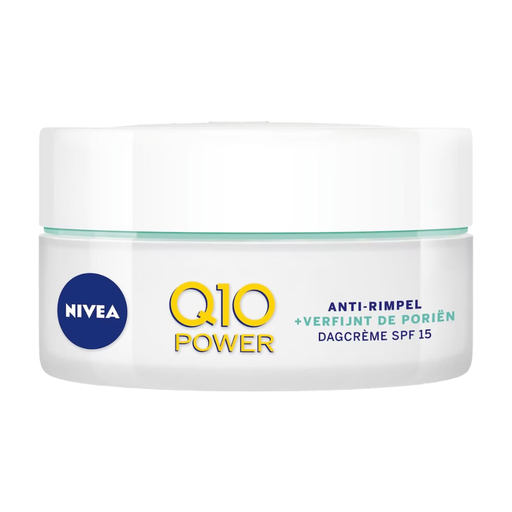
Why it suits this profile: This 50 ml day cream combines Q10, Creatine and SPF 15 in a single facial skincare product for your morning routine. According to the product description, its lightweight, mattifying texture is designed for combination skin.
The product type and sun protection factor are clearly stated. This makes it easier to distinguish the day cream from a richer night cream.
Q10, Creatine and SPF 15; 50 ml; designed for daily use in the morning.
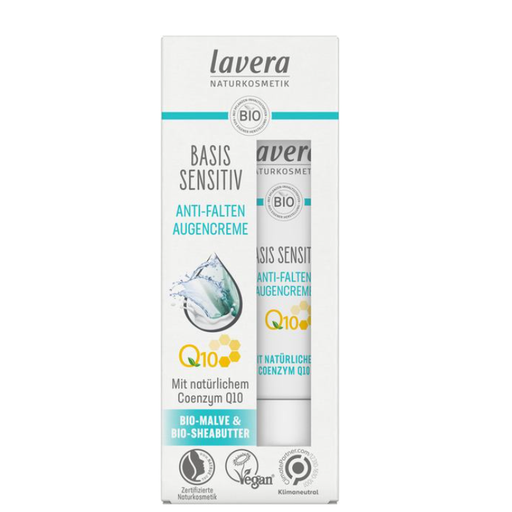
Why it suits this profile: This eye cream is described as vegan natural skincare, free from silicones, paraffin and mineral oils. It contains Q10, vitamin E and plant oils.
The product description specifies what it excludes and the area it’s designed for. This makes it easier to check whether it matches your personal ingredient preferences.
15 ml; Q10 and vitamin E; for use morning and evening; described as certified natural skincare.
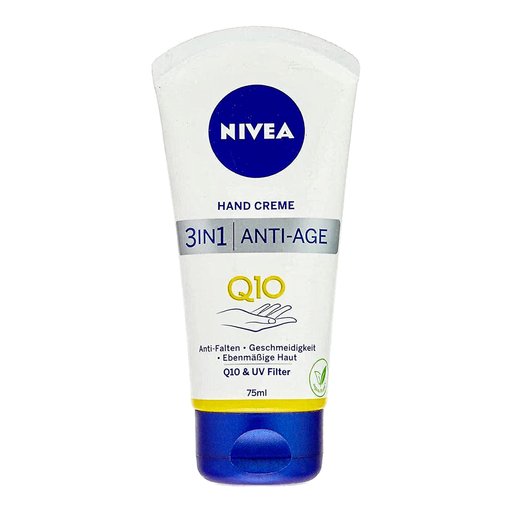
Why it suits this profile: This hand cream is for anyone who wants to use Q10 skincare not just on their face, but regularly after washing their hands too.
It’s clearly intended for use on the hands. The UVA/UVB filters are listed as part of the formulation, not as a substitute for comprehensive sun protection.
100 ml; Q10 and Creatine; designed for daily use and reapplication after washing your hands.
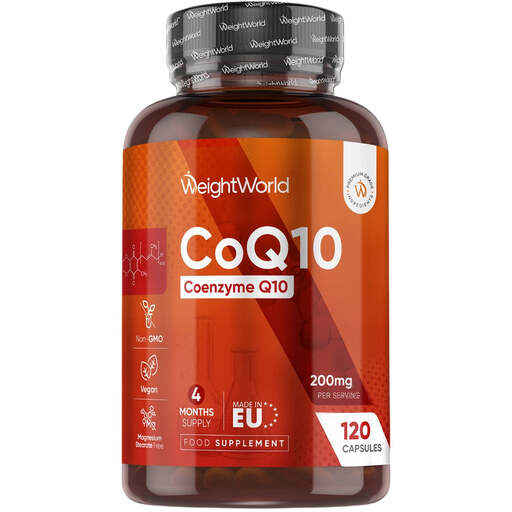
Why it suits this profile: The pack contains 120 capsules, each with 200 mg of Ubiquinone. According to the product information, the recommended serving is one capsule a day.
The amount per capsule and the number of capsules are clearly stated. This makes it easy to work out how long the pack will last before you buy.
200 mg Ubiquinone per capsule; 120 capsules; vegan capsule shell according to the product description; take with a main meal.
We’ve put together a complete, regularly updated list of products that meet these strict selection criteria and fully comply with the safety regulations in force in the EU.
A simple routine helps you avoid unnecessary duplicate purchases:
Not necessarily. A serum is usually designed for targeted, lightweight application, while a face cream also provides hydration and nourishing ingredients. The right choice depends on your skin type, preferred texture and the rest of your routine.
That depends on the number of capsules and the recommended daily serving. With 120 capsules and a serving of one capsule a day, a pack should last around four months. Always follow the information on the relevant product label.
A product with SPF does contain stated UV filters, but the protection you get also depends on how much you apply, how evenly you apply it and whether you reapply it. For prolonged exposure to the sun, a dedicated sunscreen is usually the better choice.