
Lieferung heute & morgen

Qualitätsgarantie

Willkommens-Angebote freischalten: KOSTENLOSE Lieferung | Bis zu 80 % RABATT | Kostenlose 30-Tage-JoyPlus-Testphase
App herunterladen
A quality rosewater facial toner can soothe the skin, provide hydration, and refine your complexion. However, the market is saturated with products whose promises often outweigh their performance. Many formulations contain more alcohol or synthetic fragrances than genuine rose hydrosol, which can lead to disappointment, especially for those with sensitive skin. This guide will help you identify the key quality markers and find a product that truly suits your skin's needs.
Before you make a decision, you should be aware of the typical pitfalls that often lead to an unsuitable purchase.
Pay attention to these three parameters to ensure you get a high-quality product that is right for you.
The International Nomenclature of Cosmetic Ingredients (INCI) lists all components in descending order of their concentration. For an effective natural skincare product, genuine rosewater should appear high on the list.
For most skin types, especially for rosewater for sensitive skin, an alcohol-free formulation is the superior choice. Instead, look for ingredients that nourish the skin.
Clarify the exact purpose the product should serve in your skincare routine before purchasing.
Here are some recommendations tailored to different user profiles and the criteria mentioned above.
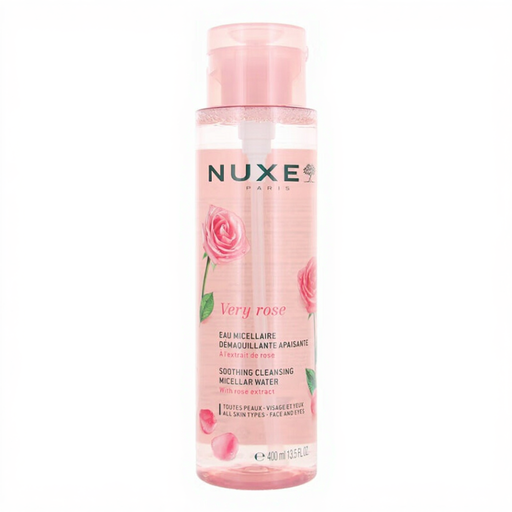
Why it's a match: Perfect for those seeking an efficient 3-in-1 solution. It removes makeup, cleanses, and soothes the skin in a single, no-rinse step. Ideal for a quick evening routine after a long day.
The formula contains genuine Rosa Damascena Flower Water and avoids harsh alcohol. It is clearly positioned as a micellar water for cleansing, thus preventing application errors.
Combines cleansing and care with a complex made from 97% ingredients of natural origin (according to the manufacturer). Ophthalmologically tested and therefore also suitable for the eye area.
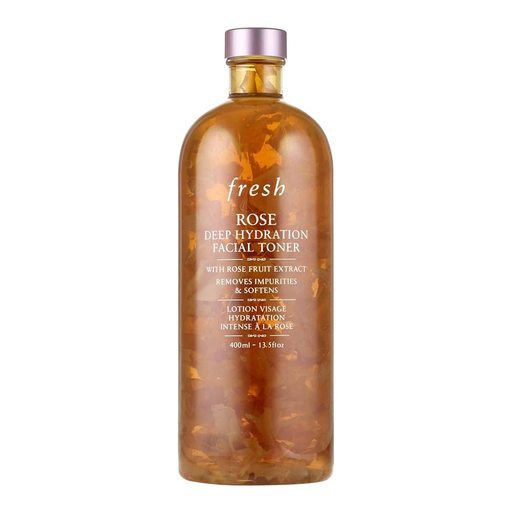
Why it's a match: For users seeking pure, soothing, and hydrating effects without any irritating factors. This toner focuses on the core benefits of rosewater.
The formula is explicitly alcohol-free, thereby avoiding the most common cause of dryness and irritation. It is a pure toner whose purpose is clearly defined: hydration and soothing after cleansing.
Utilises rose oil and rosewater from the Damask rose. The formula helps to regulate the skin's pH and refine pores, making it an excellent foundation for the rest of your skincare routine.
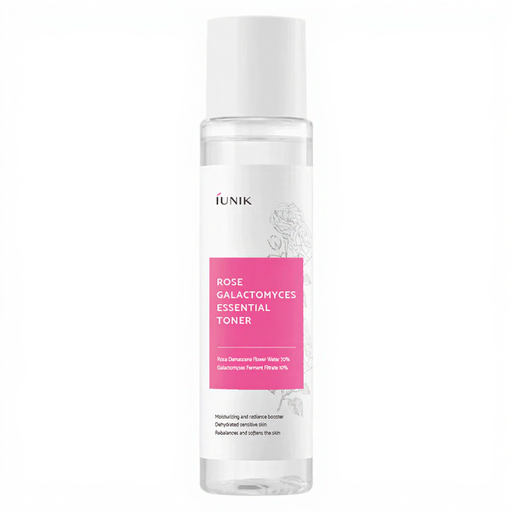
Why it's a match: Perfect for skincare enthusiasts who want a multifunctional toner as the first treatment step. The light, watery texture absorbs quickly and layers perfectly with other products.
This product relies on a high concentration of active ingredients: according to the manufacturer, it consists of 70% Rosa Damascena Flower Water. It is oil- and alcohol-free and clearly positioned as a nourishing toner.
Also contains Galactomyces Ferment Filtrate, a yeast rich in vitamins and minerals that can help regulate sebum production. The formula is further enhanced with additional fruit extracts.
We have compiled a complete, up-to-date list of products that fully meet these strict selection criteria and current regulations.
Yes, a high-quality rosewater for sensitive skin that is free of alcohol and synthetic fragrances is generally very suitable for daily use. Genuine rose hydrosol is known for its gentle and calming properties. However, it is always advisable to patch-test a new product on a small area of skin first.
The main difference lies in their function. A rosewater micellar water is a cleansing product. It contains micelles that remove makeup, sebum, and dirt from the skin. A rosewater facial toner is a treatment product used after cleansing. It provides moisture, restores the skin's pH balance, and prepares it for the absorption of serums or creams.
It is not strictly necessary, but storing it in the refrigerator can enhance the application experience. Chilled rosewater feels particularly refreshing and can help reduce puffiness and redness more effectively. For products with few preservatives, cool storage can also help extend their shelf life after opening.