
Lieferung heute & morgen

Qualitätsgarantie

Willkommens-Angebote freischalten: KOSTENLOSE Lieferung | Bis zu 80 % RABATT | Kostenlose 30-Tage-JoyPlus-Testphase
App herunterladen
By Joybuy Product Recommendation Officer, July 28, 2026
The search for an effective solution for blemish-prone skin, pimples, and blackheads leads many to one active ingredient: salicylic acid. But the market is saturated with products—from cleansers and serums to creams. This variety can quickly become overwhelming and lead to poor purchases. Many products promise fast results, but not every one delivers on its promise or is suitable for every skin type. Before you invest, it's crucial to understand the most common pitfalls.
The 3 Most Common Mistakes When Buying Salicylic Acid Products:
To find a product that truly fits your skin's needs, you should focus on objective criteria rather than marketing promises.
Salicylic acid, a beta-hydroxy acid (BHA), is oil-soluble, allowing it to penetrate deep into the pores to clear them of excess sebum and dead skin cells.
The choice of format determines how the active ingredient interacts with your skin.
The base in which the salicylic acid is dissolved is critical for tolerability and how it feels on the skin.
Based on these objective criteria, we have matched products to different needs and skin types.
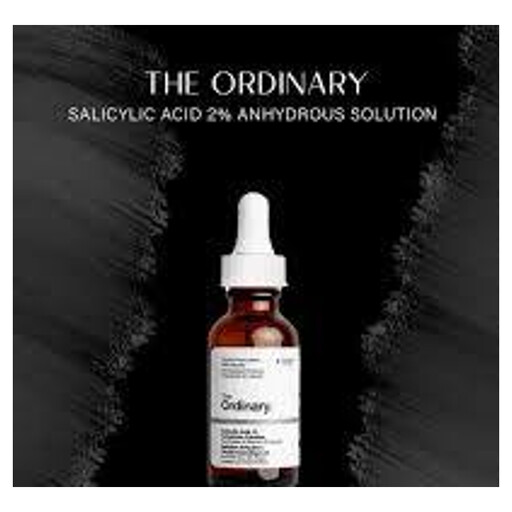
Why This Fits Their Persona: For experienced users seeking an intensive, pore-refining effect. This serum is designed as a targeted treatment to combat stubborn blackheads and blemishes and to improve skin texture.
This product solves the problem of dryness from high concentrations. The anhydrous, squalane-based formula allows for a gentle delivery of 2% salicylic acid, counteracting the potential irritation that can occur with alcohol-based serums.
Provides effective exfoliation to reduce blemishes and refine the skin's appearance. The formulation is especially suitable for users who find traditional BHA serums to be too aggressive.
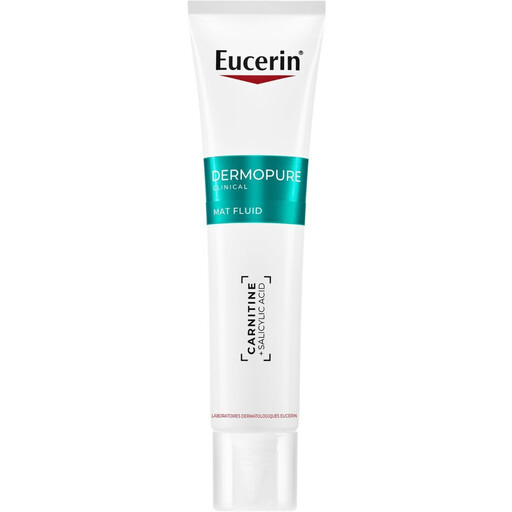
Why This Fits Their Persona: Perfect for those with oily and blemish-prone skin who are looking for a daily moisturiser with a mattifying and skin-clarifying effect. It integrates treatment into the daily routine.
This fluid solves the problem of choosing the wrong product format. Instead of using a separate serum and cream, it combines the effects of salicylic acid with a lightweight, mattifying moisturiser in one step.
According to the manufacturer, it provides an 8-hour anti-shine effect and refines the skin's texture. The formula is non-comedogenic, so it won't clog pores, and works well as a base for makeup.
We've compiled a complete, up-to-date list of products that fully meet these strict selection criteria and UK/EU safety regulations.
The frequency of use depends on the product type, concentration, and your individual skin tolerance. For leave-on products like serums or creams, start by applying them every two to three days (preferably in the evening). If your skin tolerates this well, you can slowly increase the frequency to daily use. Cleansing products can typically be used daily. Monitor your skin closely for any signs of irritation.
Yes, because salicylic acid is oil-soluble and removes sebum, it can lead to dryness with excessive use or an unsuitable formulation. To counteract this, it's important to supplement your skincare with a good moisturiser containing ingredients like hyaluronic acid, glycerin, or ceramides to support the skin barrier. Also, choose a formulation that suits your skin type (e.g., an anhydrous solution if you're prone to dryness).
Yes, using daily sunscreen is essential. Salicylic acid is an exfoliant that removes the top layer of skin, making it more sensitive to UV radiation. To prevent sun damage and the formation of dark spots, always apply a broad-spectrum sunscreen with a Sun Protection Factor (SPF) of at least 30 during the day.