
Lieferung heute & morgen

Qualitätsgarantie

Willkommens-Angebote freischalten: KOSTENLOSE Lieferung | Bis zu 80 % RABATT | Kostenlose 30-Tage-JoyPlus-Testphase
App herunterladen
The search for a suitable gift for 3-year-olds leads many parents and relatives to educational toys. A learning tablet for kids seems like a modern solution to foster early skills. Yet, the desire to limit screen time makes the selection complicated. The market offers a variety of products advertised as "screen-free," but not all of them live up to their promises.
Before you make a purchasing decision, it's important to know the common pitfalls that often lead to disappointment and unnecessary expense.
To make an informed decision, you should check three core parameters. These will help you objectively evaluate the quality and utility of a learning toy.
The way a child interacts with the toy is crucial for learning success. Systems based on physical cards, like the alilo Learning Tablet, promote tactile perception. The child places a card and can tap on pictures or words with an interactive pen to receive audio feedback. This is a very direct and understandable method, for example, to function as a word-learning toy. Other devices use large, colourful buttons. It's important that the concept has a clear goal, whether it's language development, logical thinking, or recognising numbers and shapes. A good interactive learning game provides clear, positive feedback and motivates the child to continue.
Safety is the top priority. Look for toys made from robust and non-toxic materials like ABS plastic, which is known for its durability and safety. In the European Union, the CE marking is a mandatory indicator that the product meets applicable safety requirements. Other quality features include rounded edges, a sturdy, shatterproof casing, and a securely sealed battery compartment to prevent small parts from being swallowed.
A learning toy for ages 3 and up must be tailored to the motor and cognitive skills of this age group. The tasks should be challenging but not overwhelming. Ideally, the content grows with the child or offers different difficulty levels. Another aspect of longevity is the power supply. Models with an integrated, rechargeable battery are often more practical and more cost-effective in the long run than those that constantly require new batteries.
Instead of making a one-size-fits-all recommendation, we have compiled products for different user profiles.
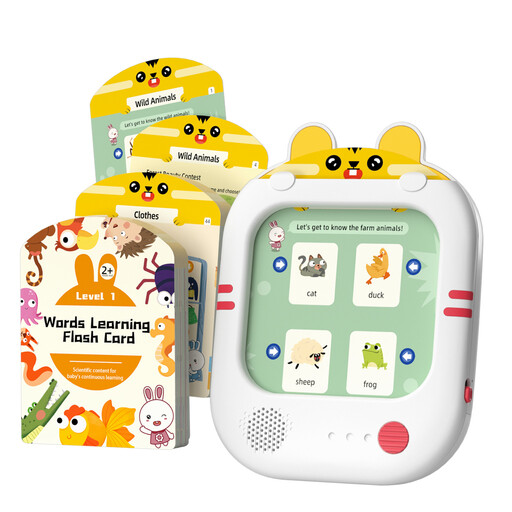
Why It's a Match: Ideal for parents seeking targeted, screen-free development of vocabulary and logical thinking for children aged 3 to 5. The pen-and-card system enables an independent and interactive learning experience.
The device is completely screen-free, using a card-based system instead. With 47 double-sided cards (over 180 words and 180 logic games), it offers extensive content that ensures long-lasting engagement.
Combines language development and logic training in one device. The integrated battery is rechargeable via USB-C and offers up to 6 hours of playtime, ideal for home and on the go.
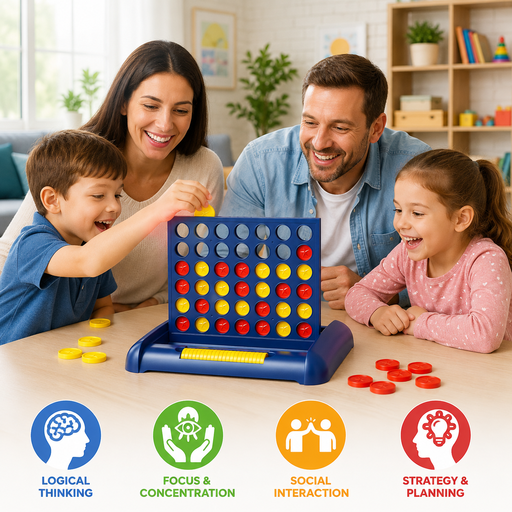
Why It's a Match: A classic, non-electronic alternative for families who want to promote logical thinking, forward planning, and problem-solving skills in a playful way.
This game is completely analogue, avoiding any distractions from screens or electronics. The simple rules and strategic depth ensure lasting fun without the need for new content.
Promotes social interaction between two players and trains strategic thinking. It requires no batteries and is ready to play anytime, anywhere.
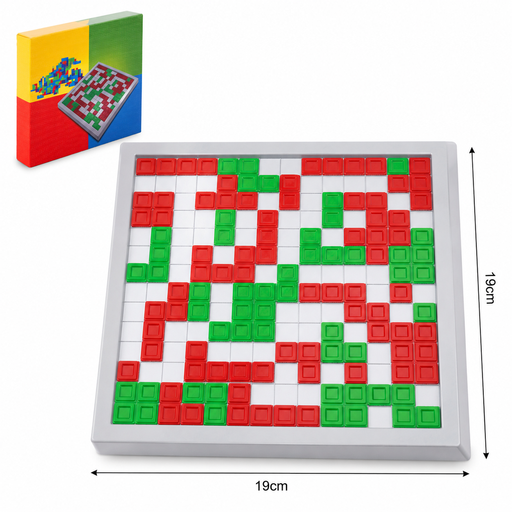
Why It's a Match: Perfect for children who enjoy hands-on, creative activities. This game promotes fine motor skills, pattern recognition, and artistic expression in a very tangible way.
As a purely tactile experience, it stimulates creativity rather than following a rigid digital program. The reusability of the pieces allows for endless new patterns, thus preventing boredom from setting in quickly.
A reusable, hands-on game that enhances fine motor skills and concentration. It is a quiet activity that helps children focus on a task.
We have compiled a complete, up-to-date list of products that fully meet these strict selection criteria and all applicable safety regulations.
Most models are designed for children from 3 years of age. At this age, they have the necessary motor skills and cognitive understanding to interact with the device. It is important to choose a product explicitly designated for this age group to avoid them being overwhelmed or under-challenged.
The main difference is the absence of a backlit LCD or LED screen. A screen-free learning toy uses physical elements like cards, buttons, or figures and primarily provides audio feedback. This is intended to reduce the eye strain and sensory overload associated with conventional tablets while still enabling an interactive learning game.
Always disconnect the device from its power source or remove the batteries before cleaning. Use a soft, dry cloth. For more stubborn dirt, a slightly damp cloth can be used, ensuring that no moisture gets into electronic components or charging ports. Avoid harsh cleaning agents and always follow the manufacturer's care instructions.