
Lieferung heute & morgen

Qualitätsgarantie

Willkommens-Angebote freischalten: KOSTENLOSE Lieferung | Bis zu 80 % RABATT | Kostenlose 30-Tage-JoyPlus-Testphase
App herunterladen
By Joybuy Product Recommendation Officer, 28 July 2026
The desire for authentic, restaurant-quality dim sum leads many to the supermarket freezer aisles. Shrimp dumplings, in particular, promise a quick and high-quality taste experience at home. However, the selection is vast, and not every product lives up to its packaging. Before you buy frozen Asian dumplings, it's helpful to know the typical pitfalls to avoid disappointment.
Many buyers report similar problems: the wrapper falls apart during cooking, the filling tastes bland, or the texture barely resembles the juicy ha kau they were hoping for. This guide will help you separate the good from the bad and find products that truly deliver.
To avoid these problems, you should check three key criteria before buying. These objective features will give you a reliable indication of the quality of the shrimp dumplings.
The percentage of shrimp is a crucial indicator of quality. A higher percentage usually means a more intense flavour and a better texture. Check the ingredients list for the shrimp content. Products with 30% or more are often a good choice. Also, check whether "whole" or "chopped" shrimp are used, rather than an undefined paste. This indicates higher-quality processing.
Not all wrappers are created equal. The type of dumpling determines the ideal ingredients for its wrapper:
The choice, therefore, depends on the culinary experience you're seeking: the delicate, steamed texture of Har Gow or the crispy, pan-fried texture of gyoza.
A short and understandable ingredient list is often a good sign. Look out for the use of flavour enhancers like monosodium glutamate (E621). While not uncommon in Asian cuisine, excessive use can indicate that the quality of the main ingredients is not the priority. A balanced seasoning with salt, sugar, sesame oil, and white pepper is typical for classic dim sum.
Based on the criteria above, we have selected a few products from our range that are suitable for different preferences and uses.
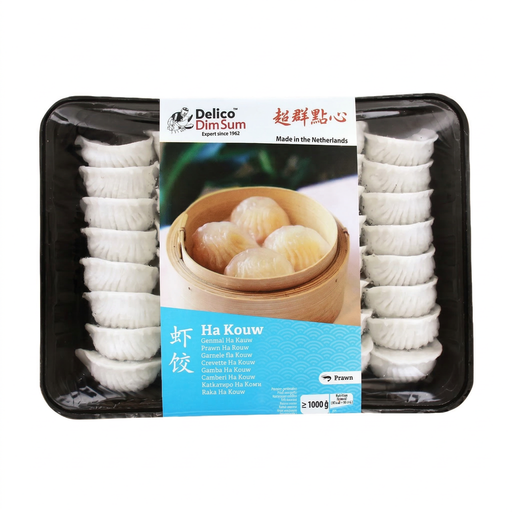
Why This Fits Their Persona: Ideal for lovers of classic Cantonese dim sum who are seeking an authentic ha kau experience. The bulk pack is also great for social gatherings or for stocking up.
With a declared 60% shrimp content, it sidesteps the low-quality filling trap. The wrapper, made from wheat and tapioca starch, is optimised for steaming and ensures the desired translucency.
Very high shrimp content for an intense flavour. Classic recipe for an authentic steamed result.

Why This Fits Their Persona: Perfect for those who love the crispy bottom and juicy centre of pan-fried gyoza. The filling offers a varied combination of shrimp and chicken.
This product is clearly labelled as shrimp gyoza. The wheat flour-based wrapper is explicitly designed for frying, thus avoiding the "wrapper dilemma" of dumplings falling apart when mistakenly steamed.
Optimised for pan-frying. Complex filling with shrimp, chicken, and vegetables.
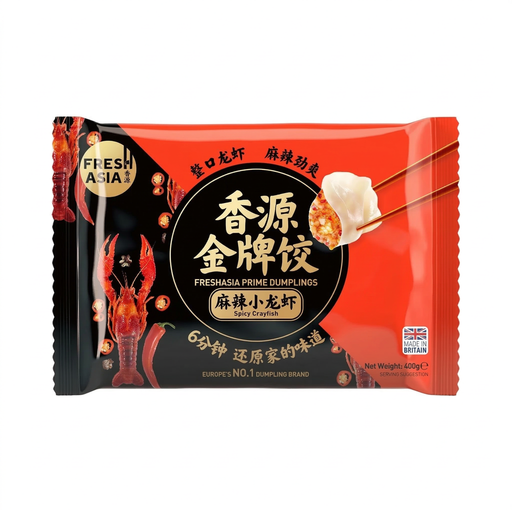
Why This Fits Their Persona: For food enthusiasts looking for a change from the classic taste and daring to try a modern, spicy variation. The mala (numbing and spicy) flavour is a trend in Sichuan cuisine.
This product avoids the "false authenticity" trap by not pretending to be a classic shrimp dumpling. It clearly communicates its unique filling of crayfish meat (30%) and the spicy notes of chilli and Szechuan pepper.
Unique, spicy filling with crayfish. Versatile cooking methods (boil, fry, steam).
We've compiled a complete, up-to-date list of products that fully meet these strict selection criteria and UK/EU regulations.
1. How do you properly steam frozen shrimp dumplings? Place the frozen dumplings directly into a steamer or steamer insert lined with parchment paper or cabbage leaves. Make sure they are not touching. Bring water to a boil in a pot underneath and steam the dumplings with the lid on for about 8-10 minutes, or until the wrapper is translucent (for ha kau) and the filling is hot. Thawing is not necessary.
2. How can I identify high-quality frozen Asian dumplings? Check three things on the packaging: the shrimp content (higher is often better), the wrapper ingredients (wheat starch/tapioca for translucent ha kau, wheat flour for gyoza), and the general ingredient list (fewer fillers and artificial additives is a good sign).
3. What is the difference between Ha Kau and Shrimp Gyoza?Ha Kau (or Har Gow) are classic Cantonese dim sum. They have a filling made almost exclusively of shrimp and a thin, translucent wrapper made from wheat and tapioca starch. They are always steamed. Shrimp Gyoza are the Japanese variant. Their wrapper is made from wheat flour, is opaque, and more robust. The filling often contains vegetables or meat in addition to shrimp. Gyoza are typically pan-fried and then briefly steamed.