
Lieferung heute & morgen

Qualitätsgarantie

Willkommens-Angebote freischalten: KOSTENLOSE Lieferung | Bis zu 80 % RABATT | Kostenlose 30-Tage-JoyPlus-Testphase
App herunterladen
A cluttered sink area with wet sponges, stray brushes, and soap residue is a daily annoyance. A well-chosen sink organiser can quickly solve the problem, significantly improving both hygiene and efficiency in your kitchen. However, the market is flooded with products that promise more than they deliver. Before making a purchase, it's crucial to understand the common weaknesses that can quickly turn a helpful tool into a bad buy.
This guide will show you the three common product flaws to watch out for and which parameters are crucial for a durable and functional solution.
Many products look practical at first glance but reveal their flaws after just a few weeks of use. Pay close attention to these three points to avoid disappointment:
To avoid these issues and find a long-lasting solution for kitchen organisation, you should check three core parameters before buying.
The material is the most important factor for your organiser's longevity. For use in the sink area, 304 stainless steel is the recommended choice. This alloy is particularly corrosion-resistant due to its chromium and nickel content, withstanding constant contact with water and cleaning agents. Look for this specification in the product description.
High-quality plastics are a good alternative. They are completely rust-proof and easy to clean. In this case, it's advisable to look for sturdy, rigid materials that are free from harmful substances like BPA.
Measure the available space at your sink carefully before choosing a model. Consider not only the width and depth but also the height, especially if there are wall cabinets above the sink. There are various types for different needs:
A good design ensures that water can drain away quickly and all utensils are well-ventilated. Look for features like a raised base, generous slots, or a grid structure. A removable drip tray can be practical, as long as it's easy to clean. Non-slip feet made of silicone or rubber are essential to ensure a stable base on wet surfaces and to prevent scratches on the countertop.
Based on the criteria above, we have identified some products that are suitable for different user profiles.
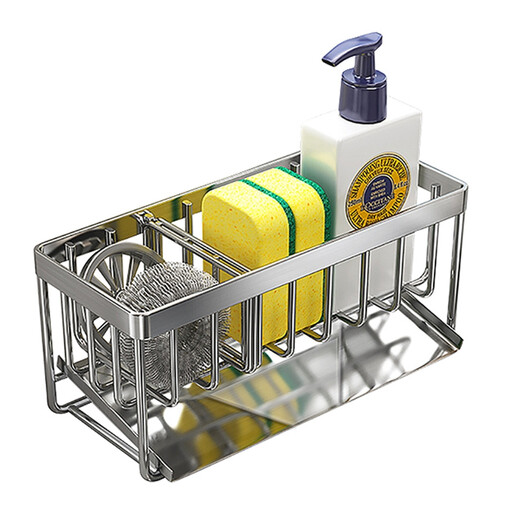
Why This Fits Their Persona: Ideal for users looking for a compact, all-in-one solution to keep their sponge, brush, and washing-up liquid organised, space-efficient, and within easy reach. The minimalist design fits into almost any kitchen.
Made from 304 stainless steel, it avoids the rust trap. The open design ensures good air circulation and effectively prevents the standing water trap.
Features an integrated soap dispenser and a compact footprint that saves valuable countertop space.
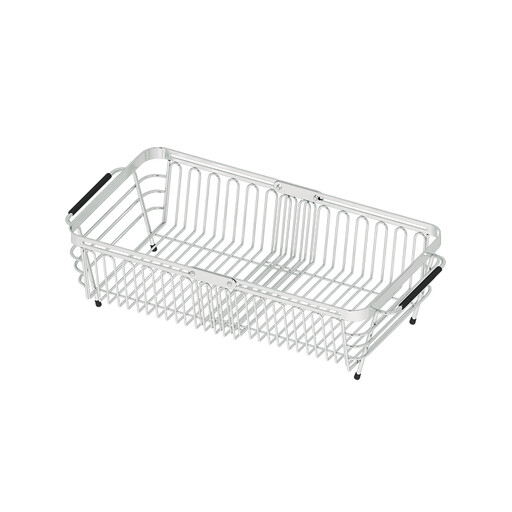
Why This Fits Their Persona: Perfect for kitchens with variable sink sizes or for those who want a multi-functional tool for draining dishes and washing fruit and vegetables.
The extendable frame (29-44 cm) ensures a stable and secure fit on almost any sink, bypassing the instability trap. The fine mesh, made of 304 stainless steel, guarantees optimal water drainage.
Maximum flexibility thanks to the telescopic frame and versatile use as a draining rack and a large kitchen strainer.
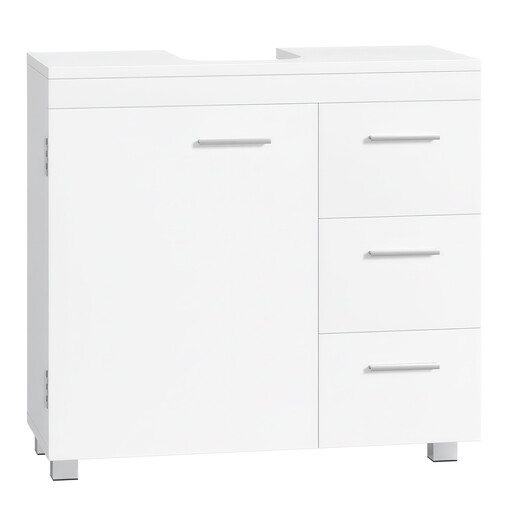
Why This Fits Their Persona: For those who want to organise not just the sink's edge, but the entire area beneath it. This under-sink cabinet creates comprehensive, hidden storage space.
This piece of furniture offers a complete, enclosed solution that keeps clutter and splashes away from the sink area. The sturdy construction, with the included anti-tip device, ensures safety.
Maximises the often-unused space under the sink with drawers and adjustable compartments for a tidy look.
We have compiled a complete, up-to-date list of products that fully meet these strict selection criteria and comply with current safety regulations.
How do I care for a stainless steel sink organiser to prevent water spots? To minimise limescale and water spots on stainless steel, it's recommended to regularly wipe the organiser dry with a soft cloth. For stubborn stains, a mild solution of water and vinegar can help. Avoid abrasive cleaners as they can scratch the surface.
My sink is an unusual size. What should I look for in an extendable in-sink rack? Measure the internal width of your sink from edge to edge. Compare this measurement with the adjustment range of the extendable organiser, which is specified in the product data as a minimum and maximum extension (e.g., "adjustable from 29 cm to 44 cm"). Ensure that the organiser's support surfaces are wide enough to rest securely on your sink's edge.
Are organisers with a drip tray better than those with an open base? Both designs have their merits. An open base or grid design allows water to drain directly into the sink, ensuring maximum ventilation and simplifying cleaning. A drip tray catches the water and protects the worktop, but it must be emptied and cleaned regularly to prevent water build-up and bacterial growth. The choice depends on whether you plan to place the organiser directly on or over the sink.