
Lieferung heute & morgen

Qualitätsgarantie

Willkommens-Angebote freischalten: KOSTENLOSE Lieferung | Bis zu 80 % RABATT | Kostenlose 30-Tage-JoyPlus-Testphase
App herunterladen
The search for an effective skincare routine for blemish-prone skin can be frustrating. The market is flooded with products that promise quick fixes, but they often lead to disappointment or even worsen skin problems. Many users fall into recurring traps that not only strain their wallets but also damage the skin barrier. Before you make a purchasing decision, it's crucial to see through the typical marketing promises and recognise true quality features.
When choosing products for pimples and blemishes, many people encounter the same obstacles. Understanding these pitfalls is the first step toward a better skincare routine.
To make an informed decision, you should focus on objective, technical features rather than advertising promises. These three parameters are central to an effective yet gentle skincare routine for acne and blemishes.
The foundation of any skincare routine is cleansing for oily skin. Pay attention to the list of ingredients (INCI). Strong surfactants like Sodium Lauryl Sulfate (SLS) can attack the skin barrier. Milder alternatives such as Coco-Glucoside, Sodium Cocoyl Glycinate, or Lauryl Glucoside cleanse thoroughly without stripping the skin. An intact skin barrier is essential for reducing inflammation and retaining moisture in the skin.
For pore-refining care and to combat blackheads and pimples, certain active ingredients are indispensable. Salicylic Acid (BHA) is a key active here. Unlike water-soluble acids (AHAs), BHA is oil-soluble. This means it can penetrate deep into the pores to dissolve excess sebum and dead skin cells, thus preventing blockages. A concentration of 1% to 2% is considered effective. A clarifying toner or serum with BHA can visibly improve the skin's appearance.
Effective care for combination and blemish-prone skin not only fights impurities but also actively soothes the skin. Ingredients like Centella Asiatica (Tiger Grass), Niacinamide (Vitamin B3), Panthenol (Provitamin B5), and Allantoin help to alleviate redness, support wound healing, and strengthen the skin barrier. These ingredients are particularly important when using exfoliating acids, as they balance out their potentially irritating effects.
Based on the criteria mentioned, we have identified products suitable for different user profiles and skin conditions.
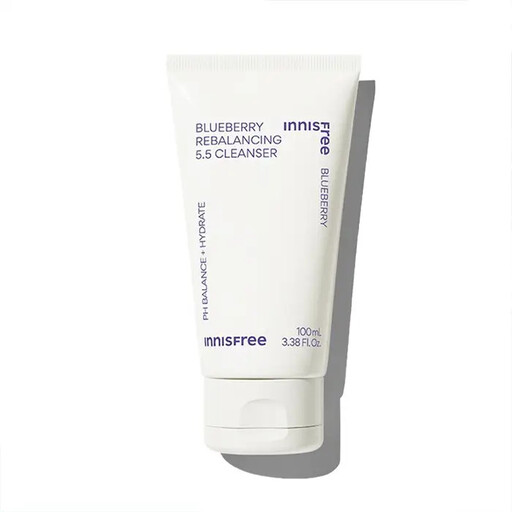
Why This Fits Their Persona: Ideal for those seeking a gentle yet effective daily cleanse without irritating the skin. Perfect for starting a conscious skincare routine or for skin that reacts sensitively to aggressive products.
This cleanser bypasses the over-cleansing trap with its low-acid formulation (pH 5.5), which matches the skin's natural pH and leaves the acid mantle intact.
Restores the skin's oil-water balance and provides moisture thanks to glycerin and allantoin. Free from sulfates and artificial fragrances.
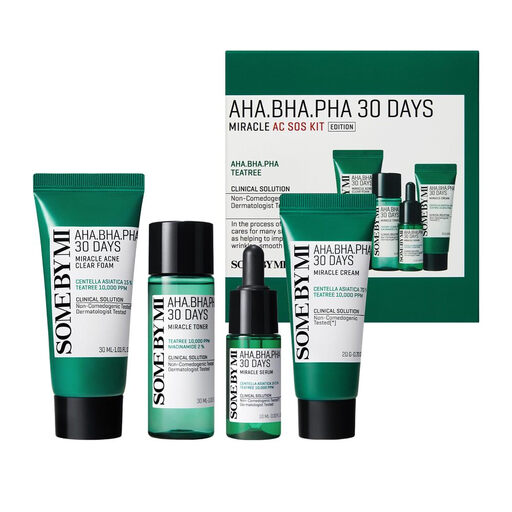
Why This Fits Their Persona: Suitable for individuals seeking a comprehensive, active-ingredient-based routine to combat acne, blackheads, and rough skin texture. The kit offers a systematic approach rather than relying on a single product.
This kit avoids the "miracle ingredient" trap by combining a balanced mix of AHA, BHA, and PHA with highly soothing ingredients like tea tree water and Centella Asiatica (Truecica).
Provides a complete 4-step routine (cleanser, toner, serum, cream) in travel sizes. The synergistic effect of the products targets exfoliation, pore cleansing, and skin repair.
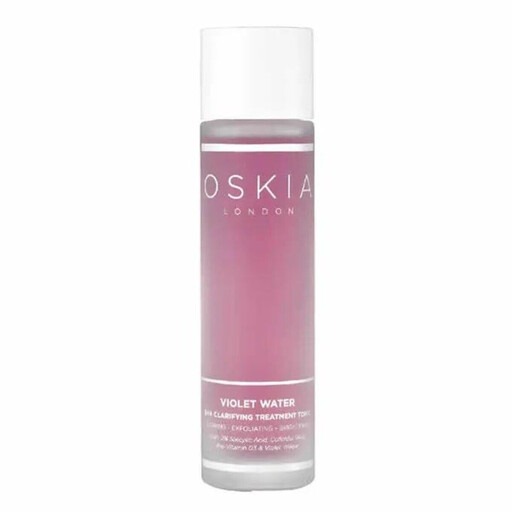
Why This Fits Their Persona: For experienced users looking for a highly effective yet balanced formula, who are willing to invest in a product with a complex active ingredient matrix to specifically refine their skin's appearance.
Despite the potent 2% Salicylic Acid (BHA) concentration, this formula prevents irritation by including prebiotics to support the skin's microbiome, as well as provitamins and amino acids to strengthen the skin barrier.
An advanced formulation with 31 active ingredients that not only reduces blemishes but also regulates sebum production and supports the skin's microbiome.
Some skin types, especially oily and blemish-prone skin, benefit from a two-step cleansing method. A soothing cleansing oil can effectively dissolve makeup and sebum in the first step without drying out the skin.
The frequency of application depends on the product's concentration and your individual skin sensitivity. For beginners, it is recommended to start with an application every two to three days and observe the skin's reaction. If well-tolerated, the frequency can be slowly increased to daily use, preferably in the evening. When using acids, daily sun protection is essential as the skin becomes more sensitive to light.
Not necessarily. Oily skin also needs moisture. The key is to choose the right texture and ingredients. Lightweight, non-comedogenic moisturisers with a gel or fluid base are ideal. Ingredients like hyaluronic acid, glycerin, or squalane provide hydration without clogging pores or leaving a greasy film. Well-hydrated skin can even help regulate excessive sebum production.
The term "non-comedogenic" means that a product's formulation is designed not to clog pores. Clogged pores are the main cause of blackheads (comedones) and pimples. For people with blemish-prone or acne-prone skin, choosing non-comedogenic products for the entire skincare routine—from cleansing to moisturising—is an important step in preventing new blemishes.